
مقدمه: ظهور خط فک تعریف شده در زیبایی شناسی مدرن
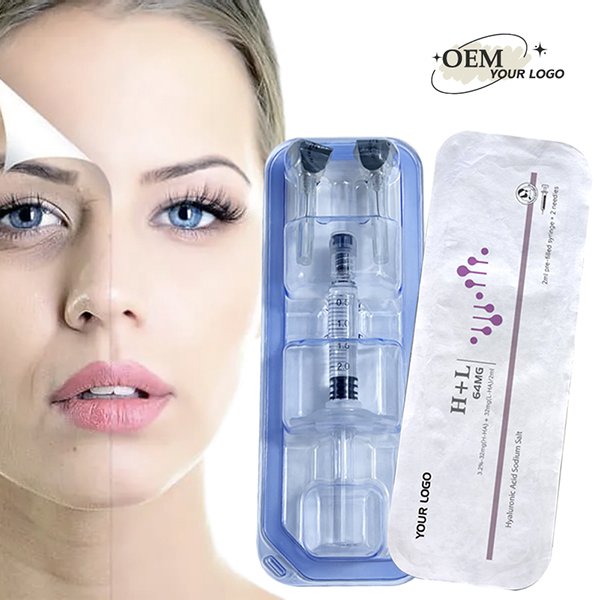
در چشم انداز دائماً در حال تحول بهبود لوازم آرایشی, تعقیب مجسمه سازی, خط فک کاملاً مشخص از یک دغدغه خاص به ستون مرکزی زیبایی شناسی صورت افزایش یافته است.. این تغییر از جنسیت و سن فراتر می رود, رانده شده توسط تاکید فرهنگی بر قوی, نمایه ساختاری که جوانی را منتقل می کند, سلامتی, و سرزندگی. یک خط فک تیز صورت را قاب می کند, تعادل را با سایر ویژگی ها فراهم می کند, و می تواند به طور قابل توجهی علائم درک شده پیری و افزایش وزن را کاهش دهد. با این حال, همه با این معماری آرزو به دنیا نمی آیند, و زمان ناگزیر مرز فک پایین را نرم می کند. در حالی که راه حل های جراحی مانند ایمپلنت یا لیپوساکشن مدت هاست در دسترس بوده اند, یک کم تهاجمی, جایگزین بسیار قابل تنظیم این زمینه را متحول کرده است: اسید هیالورونیک (HA) پرکننده های پوستی. این مقاله عمیقاً به علم می پردازد, هنری, و آخرین داده های مربوط به استفاده از پرکننده های HA برای تعریف خط فک و کانتورینگ, ارائه یک راهنمای جامع برای این روش تحول آفرین.
علم و هنر کانتورینگ فک با فیلرهای HA
هیالورونیک اسید یک مولکول قندی است که به طور طبیعی در پوست ما وجود دارد, مفاصل, و بافت های همبند, شهرت به خاطر ظرفیت باورنکردنی اش در اتصال و نگهداری آب. در فیلرهای پوستی, HA به یک صاف سنتز می شود, ژل پایدار. هنگامی که به صورت استراتژیک در امتداد خط فک و فک پایین تزریق می شود, با افزودن حجم دقیق کار می کند, بیرون زدگی مرز فک به بیرون, و ایجاد زاویه تندتر بین گردن و پایین صورت. این فرآیند, به عنوان تحریک زیستی شناخته می شود, یک فایده ثانویه نیز دارد: می تواند تولید کلاژن بدن را در طول زمان تحریک کند, ارائه ظریف, بهبود پایدار در کیفیت پوست.
این روش ترکیبی پیچیده از دانش تشریحی و دید هنری است. یک پزشک ماهر عوامل متعددی را ارزیابی می کند: ساختار استخوانی زیرین, توزیع چربی (از جمله چربی زیر مغزی زیر چانه), شلی پوست و عضله پلاتیسما, و هارمونی کلی صورت. هدف ایجاد یک فک مصنوعی تیز یا بزرگ نیست، بلکه تقویت چارچوب طبیعی اسکلتی فرد است.. تزریق ها معمولاً در امتداد مرز فک پایین قرار می گیرند, از چانه (چانه) برگشت به سمت زاویه فک و گاهی اوقات در امتداد شیار قبل از جول برای اصلاح ژولینگ اولیه. استفاده از کانولا - لوله ای با نوک کند - برای این ناحیه رایج است, زیرا می تواند ایمنی را با کاهش خطر کبودی و تزریق داخل عروقی افزایش دهد, به پزشک اجازه می دهد تا محصول را به آرامی در امتداد صفحه بافت قرار دهد.
آخرین نسل پرکننده های HA که برای این منظور طراحی شده اند, مانند Juvéderm Volux, Restylane Lyft, و Teosyal RHA 4, به طور خاص با G-prime بالاتر فرموله شده اند (استحکام) و خاصیت ارتجاعی. این خواص رئولوژیکی به آنها اجازه می دهد تا پشتیبانی ساختاری قوی را ارائه دهند, در برابر نیروهای حرکت صورت و جاذبه مقاومت کنید, و حس طبیعی را حفظ کنید. با توجه به الف 2023 تحلیل بازار توسط The Aesthetic Society, روش های تقویت خط فک با پرکننده ها بیش از حد رشد کردند 23% از 2021 به 2022, تاکید بر پذیرش سریع جریان اصلی آن.
مزیت های نسبی: چرا پرکننده های HA را برای تقویت خط فک انتخاب کنید؟?
انتخاب فیلرهای HA برای کانتورینگ فک دارای مزیت های متمایز نسبت به سایر روش های جراحی و غیرجراحی است., آن را به یک گزینه خط اول قانع کننده برای بسیاری تبدیل می کند.
تطبیق پذیری و دقت: پرکننده های HA امکان تنظیم سطح میلی متری را فراهم می کنند. یک تمرینکننده میتواند به یک چانه ضعیف حجم دهد, دراز کردن خط فک کوتاه, یک زاویه ملایم تیز کنید, یا حفره های صاف قبل از جول - همه در یک جلسه. دستیابی به این رویکرد متناسب با یک ایمپلنت جراحی یک اندازه برای همه دشوار است.
حداقل زمان توقف و نتایج فوری: بر خلاف جراحی, که به هفته ها بهبودی نیاز دارد, درمان های پرکننده معمولاً شامل تورم یا کبودی جزئی است که در عرض چند روز تا یک هفته برطرف می شود.. نتایج بلافاصله قابل مشاهده است, هر چند آنها به شکل نهایی خود در داخل مستقر می شوند 2-4 هفته ها.
برگشت پذیری: مسلماً این مهمترین مزیت ایمنی است. اگر بیمار از نتیجه کار ناراضی باشد, پرکننده HA را می توان با استفاده از آنزیمی به نام هیالورونیداز به طور جزئی یا کامل حل کرد. این “شبکه ایمنی” با ایمپلنت های دائمی یا تغییرات جراحی وجود ندارد.
طبیعی, تقویت پیشرونده: نتایج را می توان به تدریج در طی چندین جلسه ایجاد کرد, به بیماران و پزشکان اجازه می دهد تا ظاهر را با دقت اصلاح کنند. همچنین نتیجه ای طبیعی تری نسبت به ناگهانی ارائه می دهد, تغییر چشمگیر جراحی.
جدول زیر ویژگی های کلیدی HA Filler Jawline Contouring را با سایر روش های رایج مقایسه می کند:
| رویه | مکانیسم | خرابی | طول عمر | برگشت پذیری | مزیت کلیدی |
|---|---|---|---|---|---|
| پرکننده پوست HA | حجم اضافه می کند & ساختار از طریق ژل تزریقی. | حداقل (3-7 روز) | 12-24 ماه ها | بله (با هیالورونیداز) | قابل تنظیم, طبیعی, غیر دائمی |
| ایمپلنت های جراحی | قرار دادن ایمپلنت های سیلیکونی جامد یا پلی اتیلن متخلخل. | 2-4 هفته ها | دائمی | خیر (نیاز به جراحی تجدید نظر دارد) | دائمی, تغییر چشمگیر طرح ریزی |
| لیپوساکشن گردن | از بین بردن چربی زیر ذهنی و فک از طریق ساکشن. | 1-2 هفته ها | ماندگاری طولانی (وابسته به وزن) | خیر (چربی برای همیشه حذف می شود) | برای چربی های اضافی زیر چانه موثر است |
| بالابرهای نخ | بخیه های خاردار برای بلند کردن و تغییر موقعیت پوست/بافت قرار داده می شود. | 5-10 روز | 12-18 ماه ها | محدود (رشته ها را می توان حذف کرد) | یک جزء بالابر را فراهم می کند |
اثربخشی بالینی, ایمنی, و رضایت بیمار: نگاهی مبتنی بر داده
اثربخشی پرکننده های HA برای تعریف خط فک به خوبی توسط داده های بالینی و نمرات رضایت بالای بیمار پشتیبانی می شود.. یک محوری 2022 مطالعه منتشر شده در مجله پوست زیبایی دنبال کرد 85 بیماران تحت درمان با پرکننده HA با جی پرایم برای کانتورینگ خط فک. در 6 ماه ها پس از درمان, 92% بیمارانی که توسط پزشکان مستقل ارزیابی شده بود، بهبود قابل اندازهگیری در تعریف خط فک نشان دادند. نمرات رضایت گزارش شده توسط بیمار به همان اندازه بالا بود, با 89% گزارش آنها بودند “راضی” یا “بسیار راضی” با نتایج آنها.
پروفیل های ایمنی زمانی که توسط افراد آموزش دیده اجرا می شوند، قوی هستند, انژکتورهای با تجربه. شایع ترین عوارض جانبی موقتی است و شامل تورم است, لطافت, کبودی, و قرمزی در محل تزریق. عوارض جدی تر, مانند انسداد عروق (انسداد یک رگ خونی), بسیار نادر هستند، اما بر اهمیت حیاتی تخصص پزشک و دانش عمیق آناتومیک تأکید می کنند. استفاده از راهنمایی اولتراسوند حتی در بین پزشکان برجسته برای تجسم عروق خونی در زمان واقعی در طول تزریق در حال ظهور است., ارتقای بیشتر استاندارد ایمنی.
طول عمر یک نکته رایج است. در حالی که متابولیسم فردی و انتخاب محصول نقش دارند, اکثر بیماران از نتایج برای 18 به 24 ماه ها از یک سری درمان منفرد برای خط فک. این مدت به طور قابل توجهی بیشتر از پرکننده هایی است که در نواحی متحرک تر مانند لب ها قرار می گیرند, به دلیل ثبات نسبی بافت های خط فک.
آینده مجسمه سازی صورت غیر جراحی
مسیر کانتورینگ خط فک به پیچیدگی بیشتری اشاره دارد, رویکردهای شخصی. آینده نهفته است درمان های ترکیبی, که در آن پرکننده های HA به صورت هم افزایی با سایر روش ها استفاده می شوند. به عنوان مثال:
- با نورومدولاتورها (به عنوان مثال, بوتاکس): تزریق به عضله ماستر می تواند یک فک پهن را باریک کند, در حالی که پرکننده ها تعریف را به حاشیه پایین اضافه می کنند, ایجاد تعادل بیشتر, کانتور V شکل.
- با دستگاه های انرژی سفت کننده پوست (به عنوان مثال, مورفیوس 8, اولتراپی): این دستگاه ها کلاژن و الاستین را تحریک می کنند, بهبود کیفیت و شلی پوست. همراه با پشتیبانی ساختاری پرکننده ها, آنها هم کاهش حجم و هم پیری پوست را برای یک نتیجه جامع برطرف می کنند.
- با تزریقات حل کننده چربی (به عنوان مثال, کیبلا): برای بیمارانی که چربی زیر ذهنی قابل توجهی دارند, ابتدا با استفاده از یک عامل حل کننده چربی می توانید این مشکل را از بین ببرید “دو چانه,” پس از آن پرکننده ها می توانند یک مجسمه تمیز کنند, خط فک مشخص شده روی بوم صاف تر.
علاوه بر این, تحقیقات در مورد نسل بعدی پرکننده های HA با مدت طولانی تر و رئولوژی تطبیقی بیشتر ادامه دارد. ادغام تصویربرداری سه بعدی و هوش مصنوعی برای برنامه ریزی درمان نیز در افق است, امکان دقت بی سابقه ای در شبیه سازی و پیش بینی نتیجه. همانطور که تکنیک ها و تکنولوژی پیشرفت می کند, هدف ثابت می ماند: برای رسیدن به طبیعی, هماهنگ, و نتایج تقویت کننده اعتماد به نفس که زیبایی منحصر به فرد فرد را منعکس می کند.
کیو حرفه ای&تقویت خط فک با پرکننده های HA
Q1: من یک “ضعیف” یا چانه فرو رفته. آیا پرکننده های خط فک می توانند کمک کنند, یا نیاز به ایمپلنت دارم?
الف: کاملا. یک چانه فرو رفته (رتروژنیا) یکی از رایج ترین و موثرترین نگرانی های درمان شده با پرکننده های HA است. با حجم دادن به برآمدگی ذهنی (نقطه مرکزی چانه), پرکننده ها می توانند چانه را به سمت جلو برانند, بهبود فوری نمایه و مشخص کردن بهتر کل خط فک. این اغلب یک جایگزین فوق العاده برای جراحی است, ارائه یک شکل سفارشی بدون جای زخم و گزینه ای برای تنظیم یا برگشت.
Q2: چقدر این روش دردناک است, و بازیابی به چه صورت است?
الف: ناراحتی معمولاً حداقل است. اکثر پزشکان از کرم بی حس کننده موضعی و/یا پرکننده هایی که حاوی لیدوکائین یکپارچه هستند استفاده می کنند (یک بی حس کننده موضعی). در حین تزریق, ممکن است فشار و احساس سوزش خفیفی را احساس کنید. پس از درمان, انتظار تورم خفیف تا متوسط و کبودی احتمالی در امتداد فک را داشته باشید 3-7 روز. استفاده از کمپرس سرد, خوابیدن کمی بلندتر, و اجتناب از ورزش های سنگین برای 24-48 ساعت می تواند این اثرات را به حداقل برساند. بیشتر مردم روز بعد به فعالیت های اجتماعی عادی باز می گردند, با آرایش به راحتی هرگونه کبودی باقی مانده را می پوشاند.
Q3: آیا خطرات خاصی برای فیلر خط فک در مقابل فیلرهای سایر نواحی وجود دارد که باید از آن آگاه باشم?
الف: ناحیه فک دارای آناتومی عروقی پیچیده است. خطر جدی اولیه, اگرچه در دستان متخصص بسیار نادر است, تزریق داخل عروقی است, که به طور بالقوه می تواند منجر به آسیب بافت شود (ایسکمی). به همین دلیل است که انتخاب انژکتوری با دانش سطح متخصص از آناتومی صورت - که ممکن است از تکنیک هایی مانند کانول استفاده کند., قبل از تزریق آسپیره کنید, و درک مناطق خطر - غیر قابل مذاکره است. سایر خطرات مانند عدم تقارن, توده ها, یا تصحیح بیش از حد نیز ممکن است اما اغلب قابل اصلاح هستند.
Q4: من در اواخر دهه 50 هستم با شلی قابل توجهی پوست. آیا من هنوز کاندیدای خوبی برای فیلر هستم؟, یا نیاز به لیفت جراحی دارم?
الف: این نیاز به دقت دارد, ارزیابی صادقانه. پرکننده های HA حجم می دهند و می توانند درجه ای از لیفت ساختاری را ایجاد کنند, اما اضافی را از بین نمی برند, افتادگی پوست. برای بیماران با شلی خفیف تا متوسط و کاهش حجم, پرکننده ها می توانند جوان سازی قابل توجهی ایجاد کنند. برای شلی پیشرفته با پوست اضافی قابل توجه, لیفت گردن با جراحی یا لیفت صورت ممکن است موثرترین راه حل برای برداشتن پوست و سفت کردن عضلات زیرین باشد.. اغلب, یک رویکرد ترکیبی - جراحی برای رفع سستی, به دنبال آن پرکننده ظریف برای کانتورینگ تصفیه شده - بهینه را به همراه دارد, نتیجه طولانی مدت. مشاوره با یک متخصص دارای گواهی هیئت مدیره که هم گزینه های جراحی و هم غیر جراحی را ارائه می دهد برای مشاوره بی طرفانه بسیار مهم است..