
حمض الهيالورونيك (ها) أصبحت حشوات الشفاه واحدة من أكثر الإجراءات التجميلية غير الجراحية شيوعًا في جميع أنحاء العالم, تقديرًا لقدرتها على تعزيز حجم الشفاه, تعريف, والترطيب. بينما تعتبر بشكل عام آمنة وقابلة للعكس, هذه العلاجات هي إجراءات طبية تحمل آثارًا جانبية محتملة. فهم هذه المخاطر, من المشترك, ردود فعل مؤقتة على المضاعفات النادرة, أمر بالغ الأهمية لأي شخص يفكر في العلاج. يستكشف هذا الدليل الشامل مجموعة كاملة من الآثار الجانبية المرتبطة بحشو الشفاه HA, يوفر استراتيجيات الإدارة القائمة على الأدلة, ويقدم رؤى احترافية لضمان تجربة آمنة ومرضية.
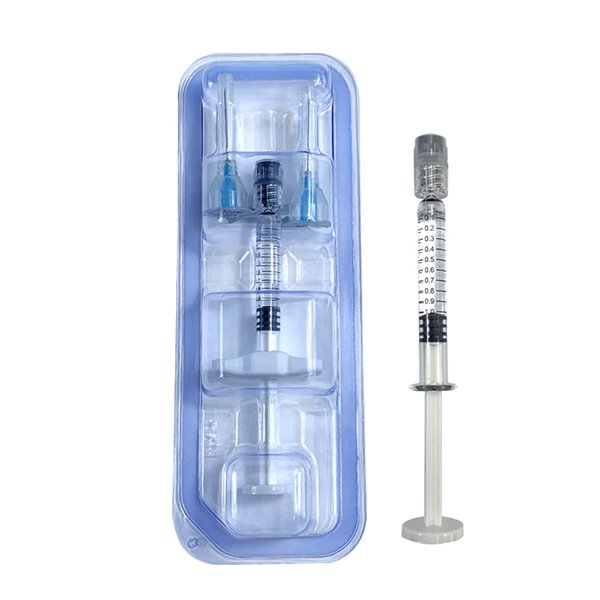
الآثار الجانبية الشائعة والمتوقعة بعد العلاج
مباشرة بعد حقن حشو الشفاه بحمض الهيالورونيك, تعتبر بعض الآثار الجانبية جزءًا طبيعيًا من العملية. هذه عادة ما تكون خفيفة, عابر, ويحل تلقائيًا خلال أيام إلى بضعة أسابيع. وهي تنتج عن الصدمة الجسدية للإبرة أو القنية والوجود الأولي للهلام في الأنسجة.
تورم (الوذمة) هو التأثير الجانبي الفوري الأكثر وضوحًا. الشفاه وعائية للغاية وحساسة, لذلك يتفاعلون مع الحقن بتورم ملحوظ. هذا عادة ما يصل إلى ذروته في الداخل 24-48 ساعات ويهدأ بشكل ملحوظ خلال أسبوع. غالبًا ما يؤدي استخدام القنية بدلاً من الإبرة إلى تقليل التورم الأولي. كدمات (كدمة) وهو أيضًا شائع جدًا, يحدث عندما يتم خدش الأوعية الدموية الصغيرة عن غير قصد أثناء الحقن. الخطر أعلى بالنسبة للمرضى الذين يتناولون مخففات الدم (بما في ذلك الأسبرين, ايبوبروفين, وبعض المكملات الغذائية مثل زيت السمك أو الثوم). يمكن أن تتراوح الكدمات من الأصفر الفاتح إلى الأرجواني الداكن وتتلاشى 5-14 أيام. احمرار, الرقة, والألم في مواقع الحقن تكون نموذجية وتشبه لدغات الحشرات الصغيرة. عادة ما تتضاءل هذه الأحاسيس في غضون أيام قليلة. الحكة أو الحزم يمكن أيضًا الشعور بها عندما يتكامل المنتج مع الأنسجة; هذا يخفف عادة خلال الأسبوع الأول.
إدارة ردود الفعل المشتركة هذه أمر واضح ومباشر:
- تورم: ضع كمادات باردة أو أكياس ثلج بشكل متقطع للمرة الأولى 24-48 ساعات. تجنب ممارسة التمارين الرياضية الشاقة, الكحول, والأطعمة المالحة ل 24-48 ساعات لأنها يمكن أن تؤدي إلى تفاقم التورم. النوم مع رفع رأسك في الليلة الأولى يمكن أن يساعد.
- كدمات: تجنب ما قبل العلاج من الأدوية / المكملات الغذائية لتخفيف الدم (تحت إشراف مزود الخدمة الخاص بك) هو أفضل الوقاية. بعد العلاج, قد يساعد جل أو أقراص أرنيكا مونتانا في سرعة الحل. يمكن أيضًا أن يكون الاستخدام اللطيف لكريم فيتامين K الموضعي مفيدًا بعد ذلك 24 ساعات.
- عدم ارتياح: عقار الاسيتامينوفين الذي لا يستلزم وصفة طبية (تايلينول) يوصى به للألم. تجنب مضادات الالتهاب غير الستيروئيدية مثل الإيبوبروفين مباشرة بعد العلاج لأنها قد تزيد من الكدمات.
يلخص الجدول التالي هذه الآثار الجانبية الشائعة وجداولها الزمنية النموذجية:
| أثر جانبي | تكرار | بداية نموذجية | متوسط المدة | نصائح الإدارة |
|---|---|---|---|---|
| تورم | شائع جدًا (>80%) | مباشر | 2-7 أيام | عبوات الثلج, ارتفاع الرأس, تجنب الملح / الكحول |
| كدمات | شائع (50-70%) | داخل 24 ساعات | 5-14 أيام | المعالجة المسبقة: تجنب مخففات الدم. بريد: زهرة العطاس, كريم فيتامين ك. |
| احمرار / الرقة | شائع جدًا | مباشر | 1-3 أيام | كمادات باردة, رعاية لطيفة |
| عدم التماثل | شائع (أولي) | مباشر | حتى 2 أسابيع | في كثير من الأحيان بسبب تورم غير متساو; انتظر التسوية النهائية. |
| كتل / المطبات | شائع (أولي) | مباشر | 1-4 أسابيع | عادةً ما يكون قابلاً للتدليك ويتم حله مع تكامل المنتج. |
أقل شيوعا والمضاعفات المتعلقة بالإجراءات
أبعد من ردود الفعل المتوقعة, بعض الآثار الجانبية أقل تواتراً ولكنها لا تزال مرتبطة بشكل مباشر بتقنية الحقن أو استجابة الجسم لمادة الحشو. وتتطلب هذه الأمور اهتمامًا وثيقًا وتدخلًا احترافيًا في بعض الأحيان.
الكتل والعقيدات: يمكن أن تكون هذه ذات صلة بالتقنية (وضع الكثير من المنتجات في منطقة واحدة) أو بسبب تورم غير متساوي. معظم صغيرة, الكتل غير الالتهابية تنعم من تلقاء نفسها من الداخل 2-4 أسابيع أو يمكن تدليكه بلطف من قبل مقدم الخدمة أو المريض حسب التوجيهات. عدم التماثل شائع جدًا في البداية بسبب التورم التفاضلي ولكنه عادةً ما يختفي مع تراجع الالتهاب. قد يشير عدم التناسق المستمر بعد أسبوعين إلى عدم تساوي وضع المنتج، وغالبًا ما يمكن تصحيحه من خلال لمسة بسيطة. ال “تأثير تيندال” هو تغير في اللون إلى الأزرق يحدث عندما يتم وضع مادة الحشو بشكل سطحي جدًا على الجلد, خلق الظل المرئي. هذه مشكلة متعلقة بالتقنية وتتطلب الذوبان باستخدام الهيالورونيداز. التصحيح الزائد أو التصحيح الناقص هي مسألة نتيجة جمالية وليست أثرًا جانبيًا طبيًا. حاقن ماهر يهدف إلى الحصول على نتيجة طبيعية, ولكن قد تكون هناك حاجة إلى تعديلات بعد أن يستقر المنتج الأولي.
هام, على الرغم من غير المألوف, التعقيد هو تسوية الأوعية الدموية (انسداد الأوعية الدموية). يحدث هذا عندما يتم حقن الحشو عن غير قصد أو ضغط الشريان, منع تدفق الدم إلى الأنسجة. هذا هو الطوارئ الطبية. تشمل العلامات المبكرة شدة, ألم مفاجئ, السلق (بقع بيضاء), ومرقش أو داكن (أزرق/رمادي/أرجواني) تلون الجلد. دون علاج سريع, يمكن أن يؤدي إلى نخر الأنسجة (موت الجلد) أو, في حالات نادرة للغاية, العمى إذا انتقل الانسداد إلى الشريان الشبكي عبر الأوعية الدموية في الوجه. الإدارة الفورية تنطوي على: وقف الحقن, تطبيق الكمادات الدافئة لتعزيز توسع الأوعية, تدليك قوي للمنطقة, والأهم, استخدام هيالورونيداز (إنزيم يذيب HA) لكسر الانسداد بسرعة. بحسب أ 2023 مراجعة في مجلة الجراحة التجميلية, يتم تقدير خطر الأحداث الوعائية بـ 0.001% لكل حقنة, تسليط الضوء على ندرته ولكن مع التأكيد على الأهمية القصوى للحاقن الذي تم تدريبه بخبرة في تشريح الوجه وبروتوكولات الطوارئ.
نادر, تأخير, والآثار الجانبية الجهازية
بعض ردود الفعل السلبية قد لا تظهر على الفور ويمكن أن تكون مرتبطة بتفاعل الجهاز المناعي مع المنتج.
فرط الحساسية أو ردود الفعل التحسسية: الحساسية الحقيقية لحمض الهيالورونيك نادرة للغاية, حيث أن HA هي مادة موجودة بشكل طبيعي في الجسم. لكن, يمكن أن تحدث تفاعلات مع مكونات أخرى في هلام الحشو, مثل عامل الربط المتقاطع (بي دي إي) أو كميات ضئيلة من الليدوكائين (مخدر موضعي ممزوج بالعديد من الحشوات). يمكن أن تشمل الأعراض احمرارًا طويلًا, تورم, مثير للحكة, أو طفح جلدي, وتظهر عادةً بعد أيام إلى أسابيع. وعادة ما تتم إدارتها باستخدام مضادات الهيستامين أو, إذا كانت شديدة, دورة قصيرة من المنشطات عن طريق الفم. عدوى: العدوى البكتيرية تشكل خطرا مع أي حقنة. وتشمل العلامات زيادة الألم, احمرار, الدفء, والقيح. يتطلب علاجًا سريعًا بالمضادات الحيوية. أكثر غدرا هي تشكيلات الأغشية الحيوية, وهي مستعمرات بطيئة النمو من البكتيريا التي يمكن أن تشكل طبقة واقية حول الحشو, مما يؤدي إلى المزمنة, تورم متقطع, احمرار, أو العقيدات الصلبة التي تظهر بعد أشهر من العلاج. يصعب علاج الأغشية الحيوية وغالبًا ما تتطلب مجموعة من المضادات الحيوية, المنشطات, وربما حل الحشو. الأورام الحبيبية حازمة, العقيدات الالتهابية التي تمثل رد فعل جسم غريب. على عكس الكتل البسيطة, فهي مناعية ويمكن أن تظهر بعد أشهر أو حتى سنوات. قد يشمل العلاج الستيرويدات داخل الآفة, 5-فو, أو الاستئصال الجراحي.
البيانات الحديثة من تجربة الأجهزة الخاصة بالشركة المصنعة ومرفق المستخدم التابعة لإدارة الغذاء والدواء (مود) قاعدة البيانات, تحليلها في 2024, يظهر أنه في حين أن الأحداث السلبية الخطيرة تظل نادرة, ردود الفعل الالتهابية المتأخرة (دوير) هي مجال متزايد من التركيز السريري. تشير النظريات إلى أنها قد تكون ناجمة عن مرض متزامن (مثل العدوى الفيروسية), إجراءات طب الأسنان, أو التطعيمات التي تنشط جهاز المناعة, والذي يهاجم بعد ذلك الحشو الذي تم تحمله سابقًا.
استراتيجيات الوقاية والإدارة المهنية
حجر الزاوية في إدارة الآثار الجانبية لحشو الشفاه هو وقاية, والذي يتوقف بالكامل على مؤهلات ومهارة الحاقن.
- اختيار مزود خبير: اختر دائمًا طبيب أمراض جلدية معتمدًا, جراح تجميل, أو ممرضة حاقن / مساعد طبيب مدربة تدريباً عالياً وتحت الإشراف. لديهم معرفة وثيقة بتشريح الأوعية الدموية في الوجه, استخدام التقنيات المناسبة (مثل القنيات ذات الأطراف الحادة التي يمكن أن تقلل من خطر الإصابة بالكدمات والانسداد), والحفاظ على البروتوكولات المعقمة.
- المشاورة الشاملة: إن الاستشارة الشاملة قبل العلاج غير قابلة للتفاوض. يجب على مقدم الخدمة مراجعة تاريخك الطبي الكامل (بما في ذلك الحساسية, ظروف المناعة الذاتية, والأدوية), مناقشة التوقعات الواقعية, شرح جميع المخاطر المحتملة, والحصول على موافقة مستنيرة. يجب عليهم أيضًا تقييم تشريح الوجه وبنية الشفاه.
- دور الهيالورونيداز: هذا الانزيم هو “ترياق” إلى حشو HA. سيكون مقدم الخدمة المختص متاحًا دائمًا في العيادة لإدارة التصحيح الزائد, تأثير تيندال, و, بشكل عاجل, انسدادات الأوعية الدموية. يعد توفرها مقياسًا رئيسيًا للسلامة.
- متابعة ما بعد الإجراء: تقوم العيادات ذات السمعة الطيبة بتحديد موعد للمتابعة 2-4 أسابيع بعد العلاج لتقييم النتائج المستقرة ومعالجة أي تباينات أو مخاوف بسيطة. هذا جزء مهم من الخدمة.
إذا شعرت بألم شديد, تغييرات الرؤية, ابيضاض الجلد, أو علامات العدوى الشديدة (حمى, انتشار الاحمرار), اطلب العناية الطبية الفورية. لا تنتظر.
س المهنية&أ على حشو الشفاه بحمض الهيالورونيك
س1: كم من الوقت تستمر حشوات الشفاه HA عادة؟, وما هي العوامل التي تؤثر على ذلك?
أ: في المتوسط, حشو الشفاه HA يدوم بين 6 ل 12 شهور. لكن, هذا متغير للغاية. العوامل التي تسرع الانهيار تشمل ارتفاع معدل الأيض (على سبيل المثال, تمرين مكثف), التعرض للحرارة الشديدة (مثل الساونا أو حمامات الشمس), تدخين, والاختلافات الفردية في مدى سرعة استقلاب الجسم لحمض الهيالورونيك. المنتج المحدد المستخدم (بعضها تمت صياغته لطول عمر أكبر) وتلعب الكمية المحقونة أيضًا أدوارًا رئيسية.
Q2: لقد سمعت أن حمض الهيالورونيك هو “طبيعي.” هل هذا يعني أن هذه الحشوات خالية من المخاطر؟?
أ: وهذا مفهوم خاطئ للغاية. في حين أن جزيء حمض الهيالورونيك نفسه يتواجد بشكل طبيعي في جسم الإنسان, جل الحشو هو جهاز طبي تم تصميمه في المختبر. وهو مرتبط كيميائيا لمقاومة التدهور الفوري. كما هو الحال مع أي إجراء طبي يتضمن الحقن في الجسم, هناك مخاطر كامنة — بدءًا من الكدمات الشائعة وحتى المضاعفات النادرة والخطيرة مثل انسداد الأوعية الدموية. ال “طبيعي” أصل HA لا يعني عدم وجود خطر.
س3: ما هو الشيء الوحيد الأكثر أهمية الذي يمكنني القيام به لضمان نتيجة آمنة?
أ: بدون سؤال, ابحث واختر مزود الخدمة الخاص بك بناءً على بيانات الاعتماد الخاصة به, خبرة, والخبرة - وليس على السعر أو الراحة. المعرفة العميقة للخبير في علم التشريح, التقنية المناسبة, والقدرة على إدارة المضاعفات هي العامل الحاسم النهائي لسلامتك وجودة النتائج. ابحث عن متخصص معتمد من مجلس الإدارة في بيئة طبية حسنة السمعة.
س 4: هل يمكنني إجراء تصوير بالرنين المغناطيسي أو عمل أسنان بعد إجراء حشو الشفاه؟?
أ: نعم, ولكن يجب عليك إبلاغ طبيب الأشعة أو طبيب الأسنان عن مواد الحشو الخاصة بك. تعتبر حشوات HA آمنة بشكل عام مع التصوير بالرنين المغناطيسي. هناك خطر نظري بعيد جدًا لإزاحة الحشو من خلال إجراءات الأسنان المكثفة التي تسبب صدمة / اهتزازًا كبيرًا للشفاه. تشير بعض التقارير إلى أن حقن الأسنان أو الأمراض الجهازية يمكن أن تؤدي أحيانًا إلى تورم متأخر في مناطق الحشو.
س5: هل هناك أي تطورات جديدة تجعل حشوات الشفاه أكثر أمانًا أو تجعل إدارة الآثار الجانبية أسهل؟?
أ: المجال في تطور مستمر. وتشمل التطورات الرئيسية:
- تحسين هيالورونيداز: فهم أفضل للجرعات وإعادة التركيب من أجل حل أكثر قابلية للتنبؤ به.
- استخدام القنية: زيادة اعتماد microcannulas حادة الطرف, مما يقلل بشكل كبير من خطر ثقب الأوعية الدموية والكدمات مقارنة بالإبر الحادة.
- تكنولوجيا التصوير: تستخدم بعض العيادات الآن أجهزة الموجات فوق الصوتية لتصور موضع الحشو وهياكل الأوعية الدموية في الوقت الفعلي, على الرغم من أن هذا ليس معيارًا بعد.
- حشوات الجيل القادم: يقوم المصنعون بتطوير منتجات ذات حجم جسيمات أكثر اتساقًا ومخدرًا متكاملًا لتحسين الراحة والقدرة على التنبؤ.
تنصل: هذه المقالة لأغراض إعلامية فقط ولا تشكل نصيحة طبية. استشر دائمًا أخصائي رعاية صحية مؤهل للحصول على التشخيص والعلاج الشخصي.