
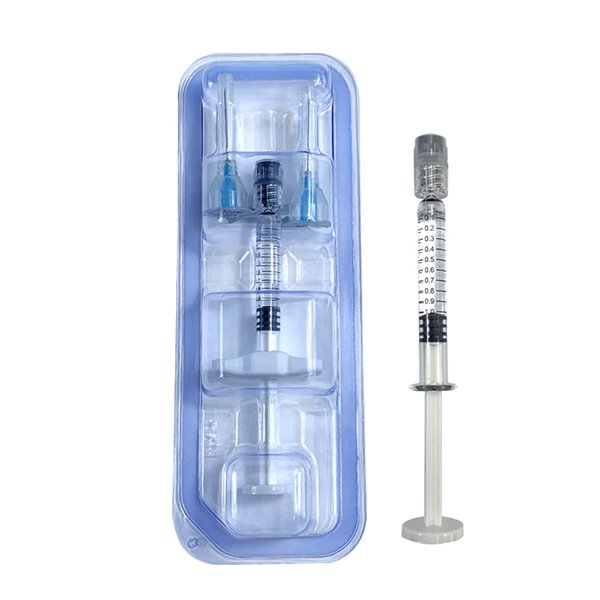
Ácido hialurônico (HA) Os preenchimentos labiais se tornaram um dos procedimentos cosméticos não cirúrgicos mais populares em todo o mundo, valorizado por sua capacidade de aumentar o volume dos lábios, definição, e hidratação. Embora geralmente considerado seguro e reversível, esses tratamentos são procedimentos médicos que apresentam possíveis efeitos colaterais. Compreendendo esses riscos, do comum, reações temporárias a complicações raras, é crucial para qualquer pessoa que considere o tratamento. Este guia abrangente explora todo o espectro de efeitos colaterais associados aos preenchimentos labiais com HA, fornece estratégias de gestão baseadas em evidências, e oferece insights profissionais para garantir uma experiência segura e satisfatória.
Efeitos colaterais comuns e esperados pós-tratamento
Imediatamente após uma injeção de preenchimento labial com ácido hialurônico, certos efeitos colaterais são considerados uma parte normal do processo. Geralmente são leves, transitório, e resolver espontaneamente dentro de alguns dias a algumas semanas. Resultam do trauma físico da agulha ou cânula e da presença inicial do gel no tecido.
Inchaço (Edema) é o efeito colateral imediato mais pronunciado. Os lábios são altamente vascularizados e sensíveis, então eles reagem à injeção com inchaço perceptível. Isso geralmente atinge o pico dentro 24-48 horas e diminui significativamente dentro de uma semana. Usar uma cânula em vez de uma agulha pode muitas vezes reduzir o inchaço inicial. Hematomas (Equimose) também é extremamente comum, ocorrendo quando pequenos vasos sanguíneos são inadvertidamente cortados durante a injeção. O risco é maior para pacientes que tomam anticoagulantes (incluindo aspirina, ibuprofeno, e certos suplementos como óleo de peixe ou alho). Os hematomas podem variar do amarelo claro ao roxo profundo e desaparecer 5-14 dias. Vermelhidão, Ternura, e dor nos locais de injeção são típicos e semelhantes a pequenas picadas de insetos. Essas sensações geralmente diminuem dentro de alguns dias. Coceira ou firmeza também pode ser sentido à medida que o produto se integra ao tecido; isso normalmente suaviza na primeira semana.
Gerenciar essas reações comuns é simples:
- Inchaço: Aplique compressas frias ou bolsas de gelo intermitentemente nos primeiros 24-48 horas. Evite exercícios extenuantes, álcool, e alimentos salgados para 24-48 horas, pois podem exacerbar o inchaço. Dormir com a cabeça elevada na primeira noite pode ajudar.
- Hematomas: Evitar antes do tratamento medicamentos/suplementos para afinar o sangue (sob a orientação do seu provedor) é a melhor prevenção. Pós-tratamento, gel ou comprimidos de arnica montana podem ajudar a acelerar a resolução. A aplicação suave de creme tópico de vitamina K também pode ser benéfica após 24 horas.
- Desconforto: Paracetamol de venda livre (Tylenol) é recomendado para dor. Evite AINEs como o ibuprofeno imediatamente após o tratamento, pois podem aumentar os hematomas.
A tabela a seguir resume esses efeitos colaterais comuns e seus prazos típicos:
| Efeito colateral | Freqüência | Início típico | Duração Média | Dicas de gerenciamento |
|---|---|---|---|---|
| Inchaço | Muito comum (>80%) | Imediato | 2-7 dias | Bolsas de gelo, elevação da cabeça, evite sal/álcool |
| Hematomas | Comum (50-70%) | Dentro de 24 horas | 5-14 dias | Pré-tratamento: evite anticoagulantes. Publicar: arnica, creme de vitamina K. |
| Vermelhidão/ternura | Muito comum | Imediato | 1-3 dias | Compressas frias, cuidado gentil |
| Assimetria | Comum (inicial) | Imediato | Até 2 semanas | Muitas vezes devido ao inchaço irregular; aguardar a liquidação final. |
| Caroços/inchaços | Comum (inicial) | Imediato | 1-4 semanas | Geralmente massageável e resolve conforme o produto se integra. |
Complicações menos comuns e relacionadas ao procedimento
Além das reações esperadas, alguns efeitos colaterais são menos frequentes, mas ainda estão diretamente relacionados à técnica de injeção ou à resposta do corpo ao material de preenchimento. Estes requerem mais atenção e, por vezes, intervenção profissional.
Caroços e Nódulos: Estes podem estar relacionados à técnica (colocação de muito produto em uma área) ou devido ao inchaço irregular. O mais pequeno, caroços não inflamatórios suavizam por conta própria dentro 2-4 semanas ou pode ser massageado suavemente pelo médico ou paciente conforme orientação. Assimetria é muito comum inicialmente devido ao inchaço diferencial, mas geralmente desaparece à medida que a inflamação diminui. A assimetria persistente após duas semanas pode indicar posicionamento irregular do produto e muitas vezes pode ser corrigida com um pequeno retoque. O “Efeito Tyndall” é uma descoloração azulada que ocorre quando o preenchimento é colocado muito superficialmente na pele, criando uma sombra visível. Este é um problema relacionado à técnica que requer dissolução com hialuronidase. Correção excessiva ou subcorreção é uma questão de resultado estético e não um efeito colateral médico. Um injetor qualificado busca um resultado natural, mas ajustes podem ser necessários após o produto inicial assentar.
Um significativo, embora incomum, complicação é Comprometimento Vascular (oclusão vascular). Isso ocorre quando o preenchimento é inadvertidamente injetado ou comprime uma artéria, bloqueando o fluxo sanguíneo para o tecido. Este é um emergência médica. Os primeiros sinais incluem intensa, dor repentina, branqueamento (manchas brancas), e um manchado ou escuro (azul/cinza/roxo) descoloração da pele. Sem tratamento imediato, pode levar à necrose tecidual (morte de pele) ou, em casos extremamente raros, cegueira se a oclusão viajar para a artéria da retina através dos vasos sanguíneos faciais. A gestão imediata envolve: parar a injeção, aplicação de compressas quentes para promover vasodilatação, massagem vigorosa da área, e mais criticamente, o uso de hialuronidase (uma enzima que dissolve HA) para quebrar rapidamente o bloqueio. De acordo com um 2023 revisão no Revista de Cirurgia Estética, o risco de eventos vasculares é estimado em 0.001% por seringa, destacando sua raridade, mas ressaltando a importância primordial de um injetor que seja habilmente treinado em anatomia facial e protocolos de emergência.
Cru, Atrasado, e efeitos colaterais sistêmicos
Algumas reações adversas podem não aparecer imediatamente e podem estar relacionadas à interação do sistema imunológico com o produto.
Hipersensibilidade ou reações alérgicas: As verdadeiras alergias ao ácido hialurônico são extremamente raras, como o HA é uma substância encontrada naturalmente no corpo. No entanto, reações podem ocorrer com outros componentes no gel de preenchimento, como o agente de reticulação (BDDE) ou vestígios de lidocaína (um anestésico local misturado em muitos preenchimentos). Os sintomas podem incluir vermelhidão prolongada, inchaço, coceira, ou erupção cutânea, e normalmente aparecem dias ou semanas depois. Geralmente são tratados com anti-histamínicos ou, se grave, um curso curto de esteróides orais. Infecção: A infecção bacteriana é um risco com qualquer injeção. Os sinais incluem aumento da dor, vermelhidão, cordialidade, e pus. Requer tratamento antibiótico imediato. Mais insidiosos são formações de biofilme, que são colônias de bactérias de crescimento lento que podem formar uma camada protetora ao redor do enchimento, levando à crônica, inchaço intermitente, vermelhidão, ou nódulos firmes que aparecem meses após o tratamento. Os biofilmes são difíceis de tratar e muitas vezes requerem uma combinação de antibióticos, esteróides, e potencialmente dissolução de enchimento. Granulomas são firmes, nódulos inflamatórios que representam uma reação de corpo estranho. Ao contrário de pedaços simples, eles são imunogênicos e podem aparecer meses ou até anos depois. O tratamento pode envolver esteróides intralesionais, 5-FU, ou excisão cirúrgica.
Dados recentes da experiência do fabricante e do usuário em dispositivos da FDA (MAUDE) banco de dados, analisado em 2024, mostra que embora eventos adversos graves permaneçam raros, reações inflamatórias de início tardio (DOIR) são uma área crescente de foco clínico. Teorias sugerem que eles podem ser desencadeados por doenças concomitantes (como uma infecção viral), procedimentos odontológicos, ou vacinas que ativam o sistema imunológico, que então ataca o enchimento anteriormente tolerado.
Estratégias Profissionais de Prevenção e Gestão
A base do gerenciamento dos efeitos colaterais do preenchimento labial é prevenção, que depende inteiramente da qualificação e habilidade do injetor.
- Escolhendo um fornecedor especializado: Sempre selecione um dermatologista certificado, cirurgião plástico, ou uma enfermeira injetora / assistente médica altamente treinada e supervisionada. Eles possuem um conhecimento íntimo da anatomia vascular facial, usar técnicas apropriadas (como cânulas de ponta romba que podem reduzir o risco de hematomas e oclusão), e manter protocolos estéreis.
- A Consulta Abrangente: Uma consulta completa de pré-tratamento não é negociável. Seu provedor deve revisar seu histórico médico completo (incluindo alergias, condições autoimunes, e medicamentos), discutir expectativas realistas, explicar todos os riscos potenciais, e obter consentimento informado. Eles também devem avaliar sua anatomia facial e estrutura labial.
- O papel da hialuronidase: Esta enzima é a “antídoto” para enchimentos de HA. Um fornecedor competente sempre o terá disponível na clínica para gerenciar a hipercorreção, o efeito Tyndall, e, com maior urgência, oclusões vasculares. Sua disponibilidade é uma métrica de segurança chave.
- Acompanhamento Pós-Procedimento: Clínicas conceituadas agendam uma consulta de acompanhamento 2-4 semanas após o tratamento para avaliar os resultados estabelecidos e resolver quaisquer pequenas assimetrias ou preocupações. Esta é uma parte crítica do serviço.
Se você sentir dor intensa, mudanças de visão, branqueamento da pele, ou sinais de infecção grave (febre, espalhando vermelhidão), procure atendimento médico imediato. Não espere.
Profissional Q&A em preenchimentos labiais com ácido hialurônico
1º trimestre: Quanto tempo normalmente duram os preenchimentos labiais com HA, e quais fatores influenciam isso?
UM: Em média, Os preenchimentos labiais HA duram entre 6 para 12 meses. No entanto, isso é altamente variável. Fatores que aceleram a degradação incluem uma alta taxa metabólica (por exemplo, exercício intenso), exposição ao calor extremo (como saunas ou banhos de sol), fumar, e variações individuais na rapidez com que o corpo metaboliza o ácido hialurônico. O produto específico utilizado (alguns são formulados para maior longevidade) e a quantidade injetada também desempenham papéis importantes.
2º trimestre: Ouvi dizer que o ácido hialurônico é “natural.” Isso significa que esses enchimentos são isentos de riscos?
UM: Este é um equívoco crítico. Embora a própria molécula de ácido hialurônico ocorra naturalmente no corpo humano, o gel de preenchimento é um dispositivo médico projetado em laboratório. É quimicamente reticulado para resistir à degradação imediata. Tal como acontece com qualquer procedimento médico que envolva injeção no corpo, existem riscos inerentes – desde hematomas comuns até complicações raras, mas graves, como oclusão vascular. O “natural” origem do AH não equivale a risco zero.
3º trimestre: Qual é a coisa mais importante que posso fazer para garantir um resultado seguro?
UM: Sem dúvida, pesquise e escolha seu provedor com base em suas credenciais, experiência, e experiência - não em preço ou conveniência. O profundo conhecimento de anatomia de um injetor especialista, técnica adequada, e a capacidade de gerenciar complicações é o determinante final da sua segurança e qualidade dos resultados. Procure um profissional certificado em um ambiente médico respeitável.
4º trimestre: Posso fazer uma ressonância magnética ou um tratamento odontológico depois de fazer preenchimento labial??
UM: Sim, mas você deve informar o radiologista ou dentista sobre seus preenchimentos. Preenchimentos de HA são geralmente seguros com ressonância magnética. Existe um risco teórico muito remoto de deslocamento do preenchimento com procedimentos odontológicos intensos que causam trauma/vibração significativo nos lábios. Alguns relatórios sugerem que injeções dentárias ou doenças sistêmicas podem, às vezes, desencadear inchaço retardado nas áreas de preenchimento..
Q5: Existem novos avanços que tornam os preenchimentos labiais mais seguros ou os efeitos colaterais mais fáceis de controlar??
UM: O campo está em constante evolução. Os principais avanços incluem:
- Hialuronidase melhorada: Melhor compreensão da dosagem e reconstituição para uma dissolução mais previsível.
- Uso de cânula: Aumento da adoção de microcânulas de ponta romba, que reduzem significativamente o risco de perfuração e hematomas do vaso em comparação com agulhas afiadas.
- Tecnologia de imagem: Algumas clínicas agora usam dispositivos de ultrassom para visualizar a colocação de preenchimento e estruturas vasculares em tempo real, embora isso ainda não seja padrão.
- Preenchimentos de última geração: Os fabricantes estão desenvolvendo produtos com tamanho de partícula mais consistente e anestésico integrado para melhorar o conforto e a previsibilidade.
Isenção de responsabilidade: Este artigo é apenas para fins informativos e não constitui aconselhamento médico. Consulte sempre um profissional de saúde qualificado para diagnóstico e tratamento personalizados.