
السعي إلى أكمل, شهدت الشفاه الأكثر تحديدًا تحولًا كبيرًا من العمليات الجراحية الغازية إلى الاعتماد على نطاق واسع على الحشوات الجلدية القابلة للحقن. من بين هؤلاء, حمض الهيالورونيك (ها) حشو الشفاه ارتفعت لتصبح المعيار الذهبي العالمي. حتى الآن, ومع ارتفاع شعبيتها - مدفوعة بوسائل التواصل الاجتماعي وتأثير المشاهير - ترتفع أيضًا الأسئلة والمخاوف بشأن سلامتهم. يقع المرضى المحتملون بين الرغبة في التحسين الجمالي والخوف من النتائج غير الطبيعية أو, أسوأ, مضاعفات خطيرة.
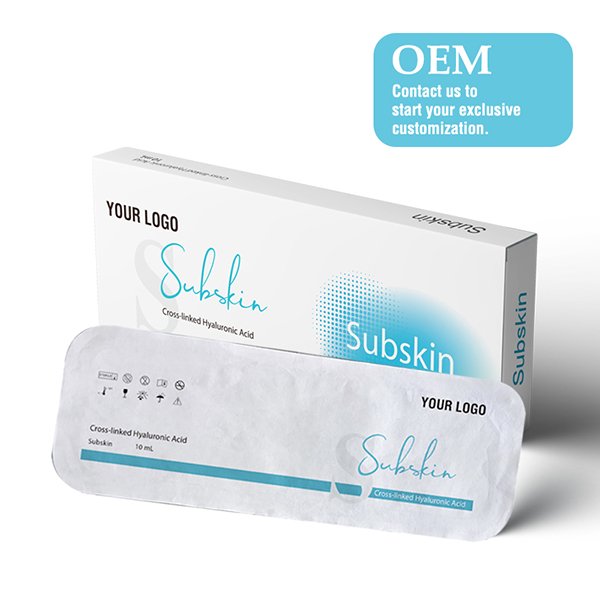
يتخطى تحليل الخبراء هذا ضجيج التسويق والحكايات عبر الإنترنت لتقديم صورة واضحة, الفحص المبني على الأدلة لملف السلامة لحشو الشفاه HA. سوف نستكشف العلم وراء هذه المادة, تفكيك المخاطر الحقيقية مقابل الأساطير الشائعة, مراجعة الأهمية الحاسمة لخبرة الممارس, وتحليل أحدث بيانات السلامة. السؤال الأساسي ليس فقط لو إنهم آمنون, لكن تحت أي ظروف تم تحسين سلامتهم.
علم حمض الهيالورونيك: لماذا هو الحشو المفضل؟
لفهم سلامة الحشو HA, يجب على المرء أولاً أن يفهم المادة نفسها. حمض الهيالورونيك ليست مادة كيميائية أجنبية أو اصطناعية; وهو جليكوزامينوجليكان, جزيء سكر موجود بشكل طبيعي في كل خلية من خلايا الجسم البشري تقريبًا. تقريبًا 50% من إجمالي HA في الجسم موجود في الجلد, حيث يلعب دوراً حاسماً في الحفاظ على ترطيب الجسم, مقدار, والسلامة الهيكلية عن طريق الارتباط بجزيئات الماء.
عندما تستخدم في الحشو الجلدي, يتم إنتاج HA عبر عمليات التخمير الحيوي, خلق مادة متوافقة حيويا وقابلة للتحلل. وهذا هو حجر الزاوية في ملف السلامة الخاص بها:
- متوافق حيويا: لا يتم التعرف عليه كغازي أجنبي من قبل الجسم, الحد بشكل كبير من خطر الحساسية. تتطلب مواد الحشو المبكرة مثل الكولاجين اختبارات حساسية مكثفة; حشوات HA الحديثة لا تفعل ذلك.
- قابلة للتحلل: يتم تفكيكه بشكل طبيعي وتدريجي بواسطة إنزيمات الجسم (الهيالورونيداز) متأخر , بعد فوات الوقت. وهذا يعني أن التأثيرات مؤقتة, عادة ما تكون دائمة 6 ل 18 أشهر اعتمادا على المنتج والتمثيل الغذائي. تعد هذه القابلية للعكس ميزة أمان رئيسية - إذا كانت النتيجة غير مرضية أو حدثت مضاعفات, يمكن إذابته بحقن إنزيم الهيالورونيداز.
تعتبر حشوات HA متعددة الاستخدامات أيضًا. تم تصميم المنتجات المختلفة بدرجات متفاوتة من الارتباط المتبادل (مما يؤثر على المتانة واللزوجة) وحجم الجسيمات, مما يجعل بعضها أكثر ملاءمة لبطانة الشفاه الرقيقة والبعض الآخر لإضافة حجم مركزي. وهذا يسمح للطبيب الماهر بتصميم العلاج بدقة.
الملف الشخصي للسلامة: الآليات, الآثار الجانبية الشائعة, والمخاطر النادرة
سلامة أي إجراء طبي هو نطاق, وحشو الشفاه HA ليس استثناءً. يمكن تصنيف الأحداث السلبية إلى شائعة, الآثار الجانبية المتوقعة ونادرة, مضاعفات أكثر خطورة.
الآثار الجانبية الشائعة والمؤقتة (الحل خلال ساعات إلى أيام):
هذه هي الاستجابات النموذجية لحقن الإبرة والوجود الأولي للحشو. فهي ليست مؤشرات على منتج أو إجراء غير آمن.
- تورم, احمرار, والحنان: ردود الفعل الأكثر فورية, في كثير من الأحيان تبلغ ذروتها 24-48 ساعات بعد العلاج.
- كدمات: يحدث بسبب ملامسة الإبرة للأوعية الدموية الصغيرة. يمكن التحكم فيه ويمكن التقليل منه باستخدام تقنية الممارس وإعداد المريض (على سبيل المثال, تجنب مخففات الدم).
- كتل أو عدم التماثل: يمكن أن تحدث مخالفات طفيفة في البداية, غالبًا ما يستقر مع تراجع التورم أو بالتدليك اللطيف حسب توجيهات الحاقن.
مضاعفات نادرة ولكنها خطيرة:
وهذا يؤكد سبب وجوب التعامل مع هذا الإجراء كتدخل طبي.
- انسداد الأوعية الدموية: وهذا هو الخطر الأكثر خطورة. يحدث ذلك إذا تم حقن الحشو عن طريق الخطأ في الأوعية الدموية, حظره. هذا يمكن أن يضر بإمدادات الدم, مما قد يؤدي إلى نخر الأنسجة (موت الجلد) أو, إذا حدثت حركة تراجعية, العمى. ويرتبط هذا الخطر مباشرة بمعرفة الممارس في علم التشريح وتقنية الحقن. تشمل العلامات ألمًا شديدًا, السلق (تبييض) من الجلد, وتغير اللون مرقش. يعد التعرف الفوري والعلاج باستخدام الهيالورونيداز أمرًا بالغ الأهمية.
- عدوى: إدخال البكتيريا يمكن أن يؤدي إلى عدوى موضعية أو, في حالات نادرة للغاية, تشكيل الأغشية الحيوية (مستعمرة من البكتيريا على الحشو).
- العقيدات المتأخرة الظهور: كتل التهابية يمكن أن تظهر بعد أسابيع أو أشهر, غالبا ما يرتبط بالاستجابة المناعية.
- رد الفعل التحسسي: نادر للغاية مع الحديث, حشو HA المنقى ولكن لا يزال احتمالا بعيدا.
يلخص الجدول أدناه مشهد السلامة:
| نوع الحدث | تكرار | سبب | إدارة المفاتيح/الوقاية |
|---|---|---|---|
| تورم/كدمات | شائع جدًا | الصدمة من الحقن | تطبيق الجليد, زهرة العطاس; يحل تلقائيا. |
| عدم التماثل/الكتل | شائع (أولي) | تورم أو موضع غير متساوٍ | غالبا ما يستقر; يمكن تدليكه أو حله. |
| انسداد الأوعية الدموية | نادر (< 0.1%) | الحقن داخل الأوعية الدموية | الطوارئ الطبية. يتطلب الذوبان الفوري مع الهيالورونيداز. |
| عدوى | نادر | تقنية تعقيم سيئة أو رعاية لاحقة | المضادات الحيوية. الوقاية عن طريق نظافة العيادة. |
| فرط الحساسية | نادر للغاية | الاستجابة المناعية للمنتج | يراقب, ممكن مضادات الالتهاب أو الذوبان. |
العامل الممارس: المتغير الأكثر أهمية في السلامة
إذا كان HA نفسه آمنًا بطبيعته, فإن العامل الحاسم للنتيجة الآمنة هو المهارة, تمرين, والحكم الجمالي للممارس. هذا لا يمكن المبالغة فيه. يعد اختيار الحاقن بناءً على السعر أو الراحة بدلاً من بيانات الاعتماد هو أكبر عامل خطر يؤدي إلى نتائج سيئة.
يمتلك ممارس مؤهل:
- المعرفة التشريحية المتعمقة: إنهم يفهمون التشريح الوعائي المعقد للشفة والمنطقة المحيطة بالفم (على وجه التحديد الشرايين الشفوية) لتجنب السفن بشكل استراتيجي.
- التدريب الطبي: فقط المهنيين الطبيين المرخصين (أطباء الأمراض الجلدية المعتمدون من البورد, جراحي التجميل, وبعض الممرضين الممارسين أو أطباء الأسنان المدربين تدريباً خاصاً) لديهم المهارات التشخيصية لتقييم الترشيح, التعرف على العلامات المبكرة للمضاعفات, وإدارة حالات الطوارئ.
- الخبرة الجمالية: عين فنية لتناغم الوجه, فهم كيفية توازن الشفاه مع الميزات الأخرى, ومعرفة المنتج والتقنية التي ستحقق نتيجة طبيعية المظهر.
- الالتزام بالتقنية المعقمة: الالتزام بالبروتوكولات الصارمة للوقاية من العدوى.
يجب على المرضى إجراء العناية الواجبة: التحقق من التراخيص الطبية, مراجعة ملفات المرضى الفعليين قبل وبعد (ليست صور مخزنة), وإعطاء الأولوية لجودة الاستشارة على ضغط المبيعات.
رؤى تعتمد على البيانات: ما تظهره الأدلة الواقعية
توفر تحليلات السوق العالمية والدراسات السريرية الحديثة سياقًا ملموسًا لمناقشة السلامة. سوق حشو الجلد العالمي, تهيمن عليها منتجات HA, ومن المتوقع أن تنمو من $6.9 مليار في 2023 لأكثر من $11.5 مليار بواسطة 2030, مما يعكس الاستخدام الهائل والمتزايد. على نحو مثير للقلق, ويغذي جزء كبير من هذا النمو مقدمو الخدمات غير الطبية الذين يعملون في أماكن غير منظمة.
لكن, البيانات المستمدة من الدراسات بأثر رجعي واسعة النطاق في البيئات السريرية مطمئنة. أ 2022 المراجعة المنشورة في مجلة الجراحة التجميلية وخلص إلى أن المضاعفات الخطيرة الناجمة عن حشو HA هي نادر, مع أحداث الأوعية الدموية تقدر بحوالي 0.05% (1 في 2000) من الحالات. بشكل حاسم, ارتبطت غالبية هذه الأحداث الشديدة بالحقن التي أجراها ممارسون غير أساسيين أو في بيئات غير سريرية.
الولايات المتحدة. ادارة الاغذية والعقاقير, الذي يحافظ على تجربة الجهاز الخاص بالشركة المصنعة والمستخدم (مود) قاعدة البيانات, يلاحظ أن تقارير الأحداث السلبية قد زادت بالتوازي مع ارتفاع أحجام الإجراءات. ترتبط العديد من المضاعفات المبلغ عنها بتقنية الحقن غير الصحيحة, استخدام المنتجات غير المعتمدة أو المقلدة, والحقن التي يتم إجراؤها في أماكن غير رسمية مثل المنازل الخاصة أو “حفلات الحشو.” وهذا يسلط الضوء على أن “أين” و “من” غالبًا ما تكون عوامل خطر أكثر أهمية من “ماذا.”
حشو HA مقابل. البدائل الجراحية: منظور السلامة المقارن
عند التفكير في تعزيز الشفاه, من المفيد مقارنة ملف السلامة لحشوات HA مع الخيارات الجراحية مثل زراعة الشفاه أو الحشوات الدائمة.
- الرجوع إلى الوراء: كما لوحظ, أعظم ميزة أمان لـ HA هي إمكانية عكسها مع الهيالورونيداز. الغرسات الجراحية أو السيليكون (حشو دائم) لا تقدم هذا “تراجع” زر. إذا كانت النتيجة غير مرضية أو ظهرت مضاعفات مع منتج دائم, غالبًا ما يكون الاستئصال الجراحي مطلوبًا, تحمل مخاطرها الخاصة.
- الغزو & التوقف: حقن HA هي طفيفة التوغل, يتم إجراؤه في المكتب مع تخدير موضعي. وقت التوقف عن العمل هو الحد الأدنى (إدارة الكدمات / التورم). تتطلب الجراحة شقوقًا, تخدير (بمخاطرها الخاصة), وأطول, انتعاش أكثر إيلاما.
- خطر العدوى: في حين أن العدوى ممكنة بكليهما, يكون الخطر أقل عمومًا باستخدام عصا الإبرة السريعة مقابل الإجراء الجراحي.
- القدرة على التنبؤ على المدى الطويل: يمكن أن تكون النتائج الجراحية أكثر دراماتيكية ودائمة, ولكنها تحمل أيضًا مخاطر التندب, هجرة الزرع, والتغيرات طويلة المدى في الإحساس. تكون نتائج HA أكثر ديناميكية ويمكن تعديلها بمرور الوقت مع تقدم عمر الوجه.
بالنسبة لمعظم المرضى الذين يبحثون عن التعزيز, نسبة المخاطرة إلى المنفعة المواتية, الحد الأدنى من التوقف, والطبيعة العكسية لحشوات HA تجعلها خيارًا أكثر أمانًا في الخط الأول مقارنة بالبدائل الجراحية الدائمة.
تعظيم سلامتك: دليل المريض للعلاج المسؤول
ضمان تجربة آمنة هو شراكة بين المريض والممارس. فيما يلي قائمة مرجعية نهائية للمرضى:
- اختر المزود المناسب: اختر طبيب أمراض جلدية أو جراح تجميل معتمدًا من البورد في عيادة طبية مرموقة. لا تطلب العلاج في ميديباس حيث تغيب الرقابة أو من حاقنين غير مرخصين.
- اطلب استشارة: يجب أن تتضمن الاستشارة المناسبة تاريخًا طبيًا كاملاً, مناقشة الأهداف, فحص التشريح الخاص بك, وشرح واضح للمخاطر, الرعاية اللاحقة, والتكاليف. لا ينبغي أن تشعر بالاندفاع.
- التحقق من المنتج: تأكد من أن الحشو معتمد من إدارة الغذاء والدواء (أو ما يعادلها في بلدك), تأتي في عبوة مختومة, ويتم فتحه أمامك. احذر من الأسعار التي تبدو أفضل من أن تكون حقيقية، فهي غالبًا ما تشير إلى منتج مزيف.
- اتبع ما قبل- والرعاية اللاحقة بدقة: التوقف عن تناول أدوية/مكملات تسييل الدم (كما ينصح طبيبك) لتقليل الكدمات. بعد العلاج, تجنب ممارسة التمارين الرياضية الشاقة, الحرارة المفرطة, والكحول ل 24-48 ساعات.
- لديك خطة للمخاوف: تعرف على علامات انسداد الأوعية الدموية (ألم شديد, الجلد الأبيض/المتغير اللون) والتأكد من أن لديك 24/7 الوصول إلى مزود الخدمة الخاص بك في حالات الطوارئ.
الخبير س&أ: الإجابة على أسئلتك المتعلقة بحشو الشفاه بحمض الهيالورونيك
س1: ما المدة التي تدوم فيها حشوات الشفاه HA فعليًا؟, وما هي العوامل التي تؤثر على ذلك?
أ: في حين يتم تسويقها في كثير من الأحيان على أنها دائمة 6-12 شهور, المتانة فردية للغاية. وتشمل العوامل الرئيسية: المنتج المحدد المستخدم (تم تصميم بعضها لطول العمر), معدل الأيض لدى المريض (التمثيل الغذائي الأسرع يكسر HA بشكل أسرع), نمط الحياة (التعرض للشمس, تدخين, ممارسة التمارين الرياضية المكثفة يمكن أن تسرع التدهور), والكمية التي تم حقنها. عادةً ما تكون هناك حاجة إلى جلسات اللمس للحفاظ على الحجم الأمثل.
Q2: لقد سمعت قصصا “هجرة الحشو.” هل هذا خطر حقيقي مع حشو الشفاه HA؟?
أ: “الهجرة” هو مصطلح محل نقاش. الحركة الجماعية الحقيقية للبلعة الهلامية غير شائعة في العصر الحديث, حشوات متماسكة. لكن, يمكن وضع الحشو عن غير قصد بشكل سطحي للغاية أو في المناطق التي تتحرك فيها العضلات (مثل الحركة المستمرة للشفاه) يمكن أن يتسبب في تحوله مع مرور الوقت, خلق متفاوتة أو “مثل البطة” مظهر. غالبًا ما تكون هذه مشكلة متعلقة بالتقنية, ليس حدثا عفويا, تسليط الضوء مرة أخرى على الدور الأسمى للحاقن.
س3: هل يمكن أن أعاني من رد فعل تحسسي تجاه حشو HA إذا كان موجودًا بشكل طبيعي في جسدي؟?
أ: إنه نادر للغاية. إن HA الموجود في الحشو مطابق كيميائيًا للحشو الخاص بك. لكن, يمكن أن تحدث تفاعلات الحساسية نظريًا لتتبع البقايا من عملية التخمير البكتيري أو عوامل الارتباط المتقاطع المستخدمة لتثبيت الجل. هذا هو السبب في استخدام موافقة إدارة الغذاء والدواء, تعمل المنتجات عالية النقاء من الشركات المصنعة ذات السمعة الطيبة على تخفيف المخاطر الضئيلة بالفعل.
س 4: هل هناك أي شخص يجب عليه تجنب حشو الشفاه HA تمامًا؟?
أ: نعم. موانع تشمل: العدوى النشطة أو الالتهاب (مثل قرحة البرد) في منطقة العلاج, تاريخ من الحساسية المفرطة الشديدة, بعض أمراض المناعة الذاتية التي تؤثر على الشفاء, والحمل أو الرضاعة الطبيعية (بسبب نقص بيانات السلامة السريرية). يعد التاريخ الطبي الشامل الذي يأخذه مزود الخدمة الخاص بك أمرًا ضروريًا لفحص هذه الأعراض.