
La búsqueda de más plenitud, Unos labios más definidos han experimentado un cambio significativo de los procedimientos quirúrgicos invasivos a la adopción generalizada de rellenos dérmicos inyectables.. Entre estos, ácido hialurónico (JA) rellenos de labios han ascendido hasta convertirse en el estándar de oro mundial. Todavía, A medida que su popularidad aumenta (impulsada por las redes sociales y la influencia de las celebridades), también lo hacen las preguntas y preocupaciones sobre su seguridad.. Los pacientes potenciales están atrapados entre desear una mejora estética y temer resultados antinaturales o, peor, complicaciones graves.
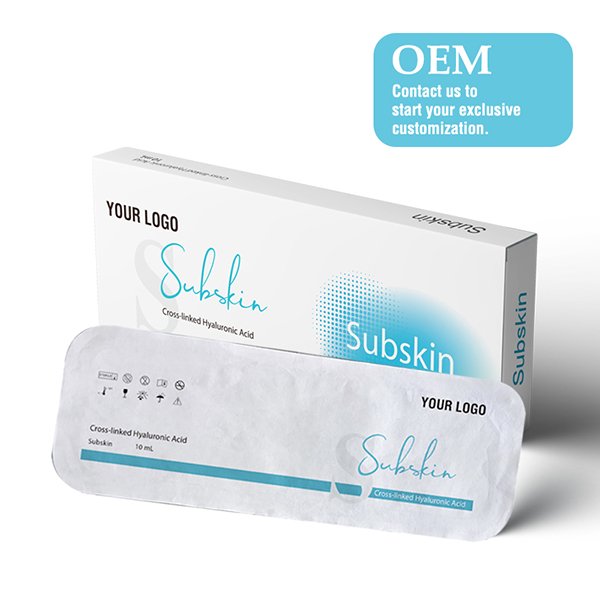
Este análisis de expertos elimina el ruido del marketing y las anécdotas en línea para proporcionar una visión clara., examen basado en evidencia del perfil de seguridad de los rellenos de labios HA. Exploraremos la ciencia detrás de la sustancia., Deconstruir los riesgos reales frente a los mitos comunes., Revisar la importancia crítica de la experiencia de los profesionales., y analizar los últimos datos de seguridad. La cuestión central no es sólo si ellos estan a salvo, pero bajo que condiciones su seguridad está optimizada.
La ciencia del ácido hialurónico: Por qué es el relleno preferido
Comprender la seguridad de los rellenos de HA, primero hay que entender la sustancia misma. ácido hialurónico no es una sustancia química extraña o sintética; es un glucosaminoglicano, una molécula de azúcar que existe naturalmente en casi todas las células del cuerpo humano. Aproximadamente 50% del HA total del cuerpo se encuentra en la piel, donde juega un papel crucial en el mantenimiento de la hidratación, volumen, e integridad estructural mediante la unión a moléculas de agua..
Cuando se utiliza en rellenos dérmicos, El HA se produce mediante procesos de biofermentación., crear una sustancia que sea biocompatible y biodegradable. Esta es la piedra angular de su perfil de seguridad:
- Biocompatible: El cuerpo no lo reconoce como un invasor extraño., reduciendo drásticamente el riesgo de reacción alérgica. Los primeros rellenos como el colágeno requirieron pruebas de alergia exhaustivas; Los rellenos HA modernos no.
- Biodegradable: Las enzimas del cuerpo lo descomponen de forma natural y gradual. (hialuronidasas) con el tiempo. Esto significa que los efectos son temporales., típicamente duradero 6 a 18 meses dependiendo del producto y del metabolismo. Esta reversibilidad es una característica de seguridad clave: si un resultado no es satisfactorio o se produce una complicación, Se puede disolver con una inyección de enzima hialuronidasa..
Los rellenos HA también son muy versátiles. Diferentes productos están diseñados con distintos grados de reticulación. (lo que afecta la durabilidad y la viscosidad) y tamaño de partícula, haciendo que algunos sean más adecuados para el delineado delicado de los labios y otros para agregar volumen central. Esto permite a un médico cualificado adaptar el tratamiento con precisión..
El perfil de seguridad: Mecanismos, Efectos secundarios comunes, y riesgos poco comunes
La seguridad de cualquier procedimiento médico es un espectro., y los rellenos de labios HA no son una excepción. Los eventos adversos se pueden clasificar en comunes, efectos secundarios esperados y raros, complicaciones más graves.
Efectos secundarios comunes y temporales (Resolución en horas o días):
Estas son respuestas típicas a la inyección con aguja y la presencia inicial del relleno.. No son indicadores de un producto o procedimiento inseguro..
- Hinchazón, Enrojecimiento, y ternura: Las reacciones más inmediatas, a menudo alcanzando su punto máximo 24-48 horas post-tratamiento.
- moretones: Causado por el contacto de la aguja con pequeños vasos sanguíneos.. Es manejable y puede minimizarse con la técnica del médico y la preparación del paciente. (p.ej., evitando los anticoagulantes).
- Bultos o asimetría: Inicialmente pueden ocurrir pequeñas irregularidades., a menudo se resuelve a medida que la hinchazón disminuye o con un suave masaje según las indicaciones del inyector.
Complicaciones raras pero graves:
Estos subrayan por qué el procedimiento debe tratarse como una intervención médica..
- Oclusión vascular: Este es el riesgo más grave.. Ocurre si se inyecta accidentalmente relleno en un vaso sanguíneo., bloqueándolo. Esto puede comprometer el suministro de sangre., potencialmente conduciendo a necrosis tisular (muerte de la piel) o, si se produce movimiento retrógrado, ceguera. Este riesgo está directamente relacionado con el conocimiento de la anatomía del profesional y la técnica de inyección.. Los signos incluyen dolor intenso., blanquear (blanqueo) de la piel, y decoloración moteada. El reconocimiento y el tratamiento oportunos con hialuronidasa son fundamentales.
- Infección: La introducción de bacterias puede provocar una infección localizada o, en casos extremadamente raros, formación de biopelículas (una colonia de bacterias en el relleno).
- Nódulos de aparición tardía: Bultos inflamatorios que pueden aparecer semanas o meses después., a menudo asociado con una respuesta inmune.
- Reacción alérgica: Extremadamente raro con moderno., rellenos de HA purificados, pero aún es una posibilidad remota.
La siguiente tabla resume el panorama de seguridad.:
| Tipo de evento | Frecuencia | Causa | Gestión clave/Prevención |
|---|---|---|---|
| Hinchazón/moretones | muy común | Trauma por inyección | aplicación de hielo, árnica; se resuelve espontáneamente. |
| Asimetría/bultos | Común (inicial) | Hinchazón o colocación desigual | A menudo se instala; se puede masajear o disolver. |
| Oclusión vascular | Extraño (< 0.1%) | inyección intravascular | EMERGENCIA MÉDICA. Requiere disolución inmediata con hialuronidasa.. |
| Infección | Extraño | Mala técnica de esterilización o cuidados posteriores. | antibióticos. Prevención mediante la higiene clínica. |
| Hipersensibilidad | Extremadamente raro | Respuesta inmune al producto. | Escucha, posibles antiinflamatorios o disolución. |
El factor practicante: La variable más crítica en seguridad
Si la propia HA es inherentemente segura, entonces el determinante abrumador de un resultado seguro es la habilidad, capacitación, y juicio estético del practicante. Esto no puede ser exagerado. Elegir un inyector basándose en el precio o la conveniencia en lugar de en las credenciales es el mayor factor de riesgo para obtener malos resultados..
Un practicante calificado posee:
- Conocimiento anatómico en profundidad: Entienden la compleja anatomía vascular del labio y el área perioral. (específicamente las arterias labiales) para evitar estratégicamente los buques.
- Formación médica: Sólo profesionales médicos autorizados. (dermatólogos certificados, cirujanos plasticos, y algunas enfermeras practicantes o dentistas especialmente capacitados) tener las habilidades de diagnóstico para evaluar la candidatura, reconocer los primeros signos de complicaciones, y gestionar emergencias.
- Experiencia estética: Un ojo artístico para la armonía facial., comprender cómo los labios deben equilibrarse con otras características, y saber qué producto y técnica lograrán un resultado de apariencia natural.
- Compromiso con la técnica estéril: Cumplimiento de protocolos estrictos para prevenir infecciones..
Los pacientes deben realizar la debida diligencia: verificar licencias medicas, revisar portafolios de antes y después de pacientes reales (no fotos de archivo), y priorizar la calidad de la consulta sobre la presión de ventas.
Información basada en datos: Lo que muestra la evidencia del mundo real
Los análisis del mercado global y los estudios clínicos recientes proporcionan un contexto concreto para el debate sobre la seguridad.. El mercado mundial de rellenos dérmicos, dominado por productos HA, se proyecta que crezca de $6.9 mil millones en 2023 a más $11.5 mil millones por 2030, reflejando un uso inmenso y creciente. Preocupantemente, Una parte importante de este crecimiento está impulsada por proveedores no médicos que operan en entornos no regulados..
Sin embargo, Los datos de estudios retrospectivos a gran escala en entornos clínicos son tranquilizadores.. A 2022 reseña publicada en el Revista de Cirugía Estética concluyó que las complicaciones graves de los rellenos de HA son extraño, con eventos vasculares estimados en aproximadamente 0.05% (1 en 2000) de casos. Fundamentalmente, La mayoría de estos eventos graves se asociaron con inyecciones realizadas por profesionales no básicos o en entornos no clínicos..
Estados Unidos. FDA, que mantiene la experiencia del dispositivo del fabricante y de la instalación del usuario (MAUDE) base de datos, señala que los informes de eventos adversos han aumentado en paralelo con el aumento del volumen de procedimientos. Muchas complicaciones reportadas están relacionadas con una técnica de inyección inadecuada., el uso de productos no aprobados o falsificados, e inyecciones realizadas en entornos informales como casas privadas o “fiestas de relleno.” Esto pone de relieve que el “dónde” y “OMS” A menudo son factores de riesgo más importantes que los “qué.”
Rellenos HA vs.. Alternativas quirúrgicas: Una perspectiva de seguridad comparada
Al considerar mejorar los labios, Es instructivo comparar el perfil de seguridad de los rellenos de HA con opciones quirúrgicas como implantes labiales o rellenos permanentes..
- Reversibilidad: Como se señaló, La mayor ventaja de seguridad del HA es su reversibilidad con hialuronidasa. Implantes quirúrgicos o silicona. (un relleno permanente) no ofrezcas esto “deshacer” botón. Si un resultado no es satisfactorio o surge una complicación con un producto permanente, a menudo se requiere la extirpación quirúrgica, llevando sus propios riesgos.
- Invasividad & Falta del tiempo: Las inyecciones de HA son mínimamente invasivas, realizado en el consultorio con anestésico tópico. El tiempo de inactividad es mínimo (controlar los hematomas/hinchazón). La cirugía requiere incisiones., anestesia (con sus propios riesgos), y un mas largo, recuperación más dolorosa.
- Riesgo de infección: Si bien la infección es posible con ambos, El riesgo es generalmente menor con un pinchazo rápido que con un procedimiento quirúrgico..
- Previsibilidad a largo plazo: Los resultados quirúrgicos pueden ser más dramáticos y permanentes, pero también conlleva riesgos de dejar cicatrices, migración del implante, y cambios a largo plazo en la sensación.. Los resultados de HA son más dinámicos y se pueden ajustar con el tiempo a medida que el rostro envejece..
Para la mayoría de los pacientes que buscan una mejora, la favorable relación riesgo-beneficio, tiempo de inactividad mínimo, y la naturaleza reversible de los rellenos de HA los convierten en una opción de primera línea más segura en comparación con las alternativas quirúrgicas permanentes..
Maximizando su seguridad: Una guía para el paciente sobre un tratamiento responsable
Garantizar una experiencia segura es una asociación entre el paciente y el profesional.. Aquí hay una lista de verificación definitiva para pacientes.:
- Elija el proveedor adecuado: Seleccione un dermatólogo o cirujano plástico certificado en una clínica médica de buena reputación. No busque tratamiento en medispas donde no hay supervisión o de inyectores sin licencia..
- Exija una consulta: Una consulta adecuada debe incluir un historial médico completo., discusión de objetivos, examen de su anatomía, y una explicación clara de los riesgos., cuidado por los convalecientes, y costos. No debería sentirse apresurado.
- Verificar el producto: Asegúrese de que el relleno esté aprobado por la FDA (o equivalente en su país), viene en embalaje sellado, y se abre frente a ti. Tenga cuidado con los precios que parecen demasiado buenos para ser verdad: a menudo indican productos falsificados..
- Seguir Pre- y cuidados posteriores rigurosamente: Suspender medicamentos/suplementos anticoagulantes (según lo recomendado por su médico) para minimizar los moretones. Post-tratamiento, evitar el ejercicio extenuante, calor excesivo, y alcohol para 24-48 horas.
- Tenga un plan para las preocupaciones: Conozca los signos de oclusión vascular. (dolor severo, piel blanca/descolorida) y asegúrese de tener 24/7 acceso a su proveedor para emergencias.
Experto Q&A: Respuestas a sus preguntas sobre rellenos labiales con ácido hialurónico
Q1: ¿Cuánto duran realmente los rellenos de labios HA?, y que factores influyen en esto?
A: Aunque a menudo se comercializa como duradero 6-12 meses, la durabilidad es altamente individual. Los factores clave incluyen: el producto específico utilizado (algunos están diseñados para la longevidad), la tasa metabólica del paciente (Un metabolismo más rápido descompone el HA más rápido), estilo de vida (exposición al sol, de fumar, El ejercicio intenso puede acelerar la degradación.), y la cantidad inyectada. Por lo general, se necesitan sesiones de retoque para mantener un volumen óptimo..
Q2: He escuchado historias de “migración de relleno.” ¿Es este un riesgo real con los rellenos de labios HA??
A: “Migración” es un término debatido. El verdadero movimiento de masa del bolo de gel es poco común en los pacientes modernos., rellenos cohesivos. Sin embargo, El relleno se puede colocar involuntariamente de manera demasiado superficial o en áreas donde el movimiento muscular (como el movimiento constante de los labios) puede hacer que cambie con el tiempo, creando una superficie desigual o “parecido a un pato” apariencia. Esto casi siempre es un problema relacionado con la técnica., no es un evento espontaneo, destacando nuevamente el papel primordial del inyector.
Q3: ¿Puedo tener una reacción alérgica al relleno de HA si se encuentra naturalmente en mi cuerpo??
A: Es sumamente raro. El HA de los rellenos es químicamente idéntico al suyo.. Sin embargo, En teoría, pueden producirse reacciones alérgicas a los residuos del proceso de fermentación bacteriana o a los agentes reticulantes utilizados para estabilizar el gel.. Es por eso que usar productos aprobados por la FDA, Los productos altamente purificados de fabricantes acreditados mitigan aún más un riesgo que ya es pequeño..
Q4: ¿Hay alguien que debería evitar por completo los rellenos de labios HA??
A: Sí. Las contraindicaciones incluyen: infección activa o inflamación (como un herpes labial) en el área de tratamiento, antecedentes de alergias anafilácticas graves, ciertas condiciones autoinmunes que afectan la curación, y embarazo o lactancia (debido a la falta de datos de seguridad clínica). Un historial médico completo realizado por su proveedor es esencial para detectar estos.