
So, you’ve just had hyaluronic acid (HA) filler treatment—congratulations! Whether you’ve subtly enhanced your lips, smoothed out nasolabial folds, or restored volume to your cheeks, you’ve invested in yourself. But here’s the crucial part many overlook: what you do in the hours, days, and weeks after your treatment is just as important as the treatment itself. Proper aftercare isn’t just about avoiding complications; it’s the key to unlocking optimal, natural-looking, and longer-lasting results.
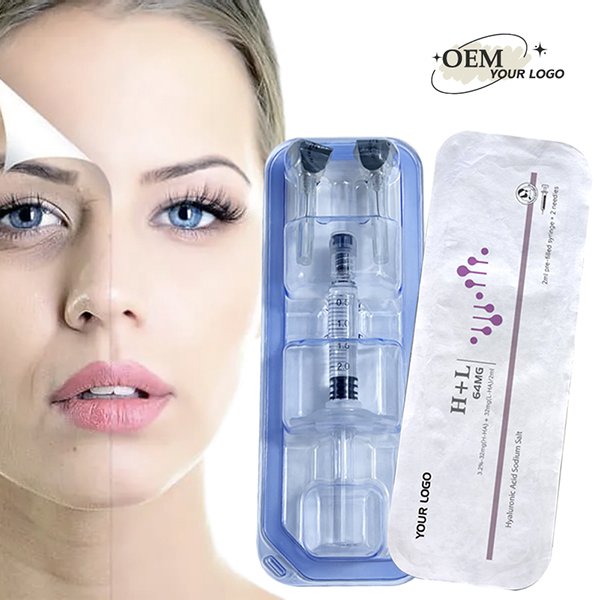
Think of your new fillers as a delicate, hydrating masterpiece that needs a little TLC to settle in perfectly. Hyaluronic acid is a remarkable substance—naturally found in our skin—that draws in and holds water, providing that plump, hydrated look. But immediately after injection, the gel is acclimating to its new environment. Your actions can significantly influence how it integrates, how much swelling or bruising you experience, and ultimately, how satisfied you are with the outcome.
This comprehensive guide will walk you through a timeline of professional aftercare tips, from the first 24 hours to long-term maintenance. We’ll translate clinical advice into practical, actionable steps you can take to ensure you maximize your investment and love your refreshed look.
The Critical First 24-48 Hours: The Foundation of Healing
The immediate post-treatment period sets the stage for everything that follows. Your body is responding to the minor trauma of the injections, and the filler is settling. Your primary goals here are to minimize swelling, reduce bruising, and protect the treated area.
Immediate Post-Procedure Actions (First 4-6 Hours):
- Apply Cold, Not Pressure: Gently apply a cold compress or chilled gel pack to the treated areas. Use a light touch and do this intermittently (10 minutes on, 20 minutes off). This constricts blood vessels, reducing the flow of fluids that cause swelling and bruising. Never apply ice directly to the skin; always wrap it in a clean cloth.
- Keep It Clean: Avoid touching the injection sites. Your practitioner will have cleansed the area, but reintroducing bacteria from your hands is a primary cause of infection. If you must touch, wash your hands thoroughly first.
- Stay Upright: Try to keep your head elevated, even when resting. Avoid bending over or doing strenuous tasks. This helps use gravity to limit swelling.
What to Avoid Absolutely:
- Strenuous Exercise: Raise your heart rate tomorrow, not today. Exercise increases blood pressure and blood flow, which can exacerbate swelling and bruising.
- Heat Exposure: Steer clear of saunas, steam rooms, hot tubs, hot showers, and even excessive sun exposure. Heat promotes vasodilation (widening of blood vessels), which is the opposite of what you want.
- Alcohol and Blood-Thinners: Avoid alcoholic beverages for at least 24-48 hours. Alcohol can thin the blood and increase the risk of bruising. Also, consult your provider about resuming medications like aspirin, ibuprofen, or certain supplements (fish oil, vitamin E, ginkgo biloba) that can have a blood-thinning effect.
- Makeup: Give your skin a breather for at least 12-24 hours. Applying makeup can introduce bacteria to the tiny injection points.
The First Week: Nurturing and Observing
By day two or three, any initial swelling and tenderness should begin to subside. Bruises may transition in color. This is the period where the filler continues to integrate and you start to see its true form emerge.
Active Care and Gentle Normalization:
- Continued Gentle Care: You can continue mild cooling if swelling persists, but switch to a focus on gentle cleansing and hydration. Use a mild, non-exfoliating cleanser and a simple, fragrance-free moisturizer.
- Hydration is Key: This tip cannot be overstated. Drink plenty of water. HA fillers work by binding to water molecules. Being well-hydrated internally helps the filler perform its primary job, giving you a plumper, more hydrated appearance. Aim for 8-10 glasses of water daily.
- Sleep Position: Continue sleeping on your back with your head elevated if possible. Sleeping on your face can create uneven pressure on the settling filler.
- Introduce Light Activity: You can resume light walks, but still hold off on high-intensity workouts, heavy lifting, or anything that makes you strain.
Monitoring and Massage (Only if Directed):
This is the time to observe your results. Some unevenness or slight lumps can be normal initially as swelling goes down. Do not massage the area unless explicitly instructed to do so by your injector. If they have given you specific massage techniques to smooth a particular area, follow their guidance precisely. Unnecessary rubbing can displace the product.
Long-Term Aftercare & Maximizing Filler Longevity
Your filler has settled, and you’re enjoying your results. Now, how do you make them last as long as possible? The longevity of HA fillers isn’t just about the product’s brand; it’s significantly influenced by your lifestyle and skincare.
Skincare Synergy:
- Sun Protection: This is the #1 rule for skin health and filler longevity. UV radiation breaks down collagen and hyaluronic acid—both your body’s own and the injected kind. Daily use of a broad-spectrum SPF 30+ sunscreen protects your investment and prevents the skin around the filler from aging prematurely.
- Supportive Ingredients: Incorporate skincare that supports collagen and skin health.
- Retinoids (Retinol, Tretinoin): Encourage collagen production and skin cell turnover.
- Vitamin C: A powerful antioxidant that protects against free radical damage and aids collagen synthesis.
- Peptides: Signal the skin to produce more collagen.
- Avoid Harsh Treatments: For at least two weeks post-treatment, avoid chemical peels, laser treatments, microdermabrasion, or any other invasive facial procedure. Always inform subsequent aesthetic providers about your fillers.
Lifestyle Factors:
- Maintain a Stable Weight: Significant weight fluctuations can affect how fillers look, especially in the cheeks and mid-face, as fat pads shrink and expand.
- Healthy Diet: A diet rich in antioxidants (berries, leafy greens) and low in processed sugars and excessive salt can support skin health and reduce systemic inflammation.
- Don’t Smoke: Smoking severely compromises skin health by constricting blood vessels and degrading collagen, leading to faster breakdown of filler and premature aging.
- Consider Supplemental Support: Some studies suggest oral hyaluronic acid supplements may support skin hydration, though the evidence for directly extending injectable filler life is limited. Always consult your doctor before starting new supplements.
The following table outlines a general aftercare timeline for quick reference:
Hyaluronic Acid Filler Aftercare Timeline
| Time Period | Do’s | Don’ts | Primary Goal |
|---|---|---|---|
| Hours 0-24 | Apply cold compress lightly & intermittently. Stay upright. Drink water. Keep area clean. | No strenuous exercise, heat, alcohol, blood thinners, makeup, or touching. | Minimize swelling & bruising. |
| Days 2-7 | Gently cleanse & moisturize. Stay hydrated. Sleep on back. Begin light activity. | Avoid high-impact exercise, heat exposure, and facial massages (unless instructed). | Support healing & integration. |
| Weeks 2-4 | Resume full exercise routine. Apply SPF 30+ daily. Start gentle facial massage only if lumps remain and injector approves. | Avoid invasive facial treatments (laser, peel) without consulting your provider. | Protect and observe final results. |
| Long-Term (1+ Month) | Maintain consistent skincare with SPF, retinoids, antioxidants. Stay hydrated. Lead a healthy lifestyle. | Avoid significant weight fluctuations and smoking. | Maximize longevity of results. |
Professional Q&A: Addressing Common Concerns
Q1: How soon after my filler treatment can I resume my skincare routine with active ingredients like retinol or strong acids?
A: It’s generally recommended to wait at least 24-48 hours before applying any active products near the injection sites. These ingredients can be irritating to the temporarily compromised skin barrier. For stronger prescription-grade retinoids, your injector may advise waiting 3-5 days. When you restart, do so gradually.
Q2: I feel a small lump. Is this normal, and what should I do?
A: Small lumps or slight unevenness can be common in the first 1-2 weeks as swelling resolves and the product integrates. Most often, they soften and disappear on their own. Do not aggressively massage them. If a noticeable lump persists beyond two weeks, contact your injector. They can assess it; a minor, persistent lump can often be easily smoothed with a gentle massage technique or, in rare cases, dissolved with a tiny amount of hyaluronidase enzyme.
Q3: Can I get a facial or microdermabrasion after fillers?
A: Yes, but timing is critical. You should wait at least two weeks post-treatment to allow the filler to fully settle and the injection sites to heal completely. Always inform your esthetician about your recent fillers so they can avoid excessive pressure on the treated areas.
Q4: Do fillers interfere with future medical procedures like MRIs or dental work?
A: Hyaluronic acid fillers are generally not an issue for MRIs. However, it is always prudent to inform the radiologist that you have facial fillers. Regarding dental work, especially procedures that involve significant manipulation of the mouth or cheeks (like wisdom tooth extraction or major dental surgery), it’s advisable to schedule it either before your filler treatment or wait several weeks after. The pressure and manipulation during such procedures could potentially displace fresh filler.
Q5: I’ve read that drinking lots of water extends filler life. Is there scientific proof?
A: While direct, large-scale clinical trials are limited, the mechanism is scientifically sound. HA molecules are humectants, binding to water. Systemic dehydration can theoretically reduce the water available for the filler to bind to, potentially making it less effective at providing volume and hydration. A 2020 review in the Journal of Clinical and Aesthetic Dermatology on optimizing HA filler outcomes emphasizes overall skin health, for which hydration is a cornerstone. So, while not a guarantee, staying well-hydrated supports the fundamental function of the product and promotes overall skin health, making it a simple and highly recommended practice.
Final Takeaway: Your journey with hyaluronic acid fillers doesn’t end when you leave the clinic. By embracing a thoughtful aftercare regimen—from immediate cooling to long-term sun protection and healthy habits—you become an active partner in achieving and maintaining beautiful, natural-looking results. Always prioritize communication with your licensed, experienced injector, and when in doubt, reach out to them with questions. Here’s to a confident, refreshed you