
Что такое наполнитель под частной торговой маркой? Your Untapped Brand Engine Across Industries
Beyond Skincare: The Private Label Model as Your Business Catalyst
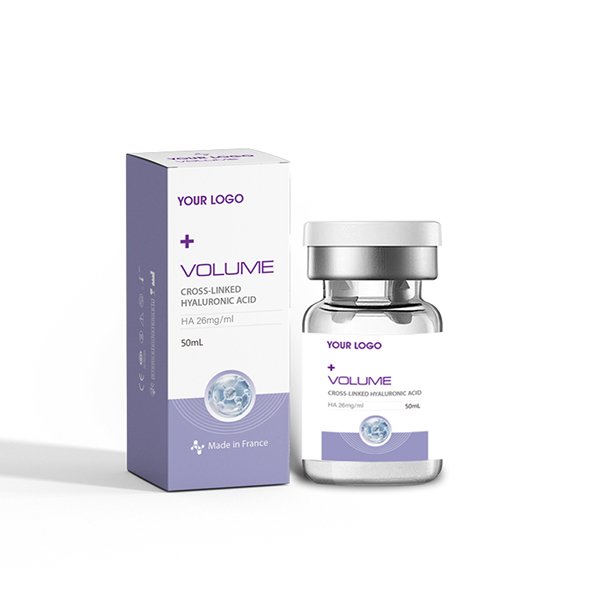
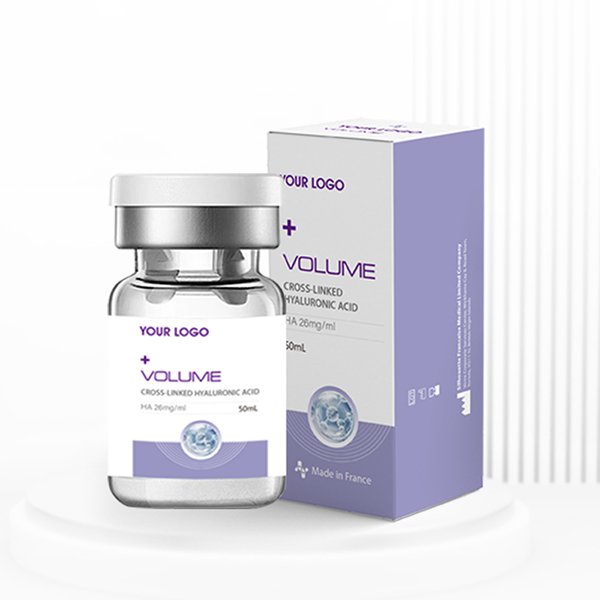
Давайте сразу перейдем к делу. Private label filler is not just a product; it’s a streamlined manufacturing agreement. As a producer, we manufacture high-quality, certified dermal fillers (like Hyaluronic Acid based products). Ты, as a distributor, clinic chain, aesthetic brand, or even a wellness supplement company, place your own brand name, логотип, and packaging on these products. You own the brand, control the marketing narrative, and capture the customer relationship, while we handle the complex R&Д, regulatory compliance (like CE, ИСО 13485), and bulk production. This is the same model that powers major retailers, pharmacy chains, and boutique beauty brands globally. For B2B dealers, it transforms you from a middleman into a brand owner with significantly better margins and market control.
Data-Driven Demand: Why Global Markets Are Shifting to Private Label
The trend isn’t anecdotal; it’s quantified. The global medical aesthetics market is projected to reach $32.2 миллиард на 2030, with a significant portion driven by dermal fillers. Однако, the real shift is in the B2B segment. А 2023 industry analysis shows that over 40% of new aesthetic clinic chains and online distributors now prefer private label options over generic international brands when scaling their operations. Here’s a snapshot of the driving factors:
| Market Pressure | Impact on B2B Dealers | Private Label Solution |
|---|---|---|
| Margin Compression | Selling well-known brands offers low per-unit profit. | Eliminates brand premium costs, increasing margin by 50-200%+ depending on volume. |
| Brand Loyalty to Clinic | Patients often return to a clinic, not the product brand. | Allows dealers to build clinic/retailer brand loyalty, securing repeat business. |
| Market Saturation | Intense competition among distributors selling the same few brands. | Enables unique market positioning with custom-branded solutions for different regions (например, Asia vs. Европа). |
| Supply Chain Control | Vulnerability to a single brand’s stock shortages or policy changes. | Partners with a reliable manufacturer for consistent supply, often with flexible MOQs. |
The Partnership Blueprint: From Concept to Market-Ready Product
Так, how does it actually work? It’s a structured collaboration. Первый, you define your target market: are you supplying luxury dermatology clinics in the Middle East, or a chain of medical spas in Latin America? This dictates the product selection (например, filler viscosity, lidocaine content). Следующий, we enter the branding phase. We provide you with base products that have all necessary global certifications. You design the primary packaging (syringe labels, boxes). We then move to production under strict GMP conditions. Крайне важно, we provide the full technical dossier, regulatory support documents, and certificates of analysis for each batch—this is what allows you, as the brand owner, to import and market the product legally in your region. The timeline from finalized artwork to shipped goods can be as efficient as 60-90 days for standard orders.
Mitigating Risk and Ensuring Success: The Real Questions for Distributors
The biggest concerns for new B2B entrants are quality and liability. A legitimate private label manufacturer operates with full transparency. You should audit or request evidence of: 1) Production Certifications (ИСО 13485 is non-negotiable), 2) Product Certifications (CE marking for EU, potentially FDA-registered facility for other markets), и 3) Clinical Support (provided stability tests, biocompatibility reports). Your liability as the brand owner is primarily tied to marketing claims and local market registration. We shoulder the liability for product safety, sterility, and manufacturing compliance. Your success hinges on selecting a manufacturer that is a true partner, not just a factory, offering continuous support on product knowledge and market trends.
Competitive Edge in Action: Applications Beyond Aesthetic Clinics
Think wider than traditional aesthetics. Private label fillers are a versatile tool for B2B businesses in adjacent sectors. Wellness and Anti-Aging Brands are bundling bespoke-named fillers with their supplement and skincare lines. Dental and Medical Distributors are adding aesthetic fillers to their portfolios to serve existing clinic clients seeking expansion. Online Beauty Aggregators are creating exclusive, trusted brands to direct consumers to their partner clinics. The product is the same; the branding and channel strategy make it a unique asset. This flexibility allows you to create multiple sub-brands for different price points or market segments from a single, reliable supply source.
Профессиональный вопрос&Раздел
1 квартал: As a distributor new to aesthetics, how do I ensure the private label filler is safe and effective?
А1: Your due diligence is key. Require your manufacturer to provide the complete Device Master File (ДМФ) summary or Technical File for the product. This includes raw material sourcing certificates, full physicochemical and microbiological testing reports, sterilization validation, и clinical safety data. Reputable manufacturers will have these documents ready and will often support your local regulatory submission. Never work with a factory that is hesitant to share认证和测试数据.
2 квартал: What is the realistic minimum order quantity (минимальный заказ), and can we mix products in one order?
А2: This varies. For standard private label HA fillers, competitive manufacturers often set MOQs between 5,000 к 10,000 units per product type to make branding and production cost-effective. Many offer flexible policies allowing you to mix different filler formulations (например, 1ml for lips, 2ml for cheeks) within a single MOQ to reach the total unit threshold. This helps you launch a small, varied portfolio.
Q3: How much control do we have over the packaging design and formulation?
А3: You have full control over packaging design (syringe label, box, leaflet) within technical guidelines (material, required regulatory text). Для formulation, you typically select from an existing, certified portfolio (например, varying HA concentration, размер частиц, with/without lidocaine). Developing a completely new, custom formulation from scratch is a lengthy, costly R&D process and is different from standard private labeling. The strategic approach is to choose an established, proven formula and build your brand upon its quality.
Q4: Who handles the regulatory approval in our target country?
А4: This is a critical division of labor. The manufacturer is responsible for providing all necessary free sale certificates, CE certificates, ISO certificates, and the complete technical documentation required for registration. Ты, as the local brand owner (the registrant), are responsible for submitting these documents to your national health authority (like the FDA in the USA, Здоровье Канады, TGA in Australia, и т. д.) and managing the local approval process and costs. A strong manufacturer will offer strong documentary support and guidance for this process.