

The Data-Driven vs. The Framework: HA vs. Collagen in Aesthetic Solutions
Давайте сразу перейдем к делу. As a distributor navigating the lucrative yet complex world of dermal fillers, your inventory decisions hinge on understanding core product physics, not just marketing claims. Two giants dominate the landscape: Гиалуроновая кислота (ХА) and Collagen-based fillers. Забудьте о туманных обещаниях; we’re dissecting them as two distinct engineering approaches to facial volume and contouring.
The Molecular Blueprint: Water Magnet vs. Structural Scaffold
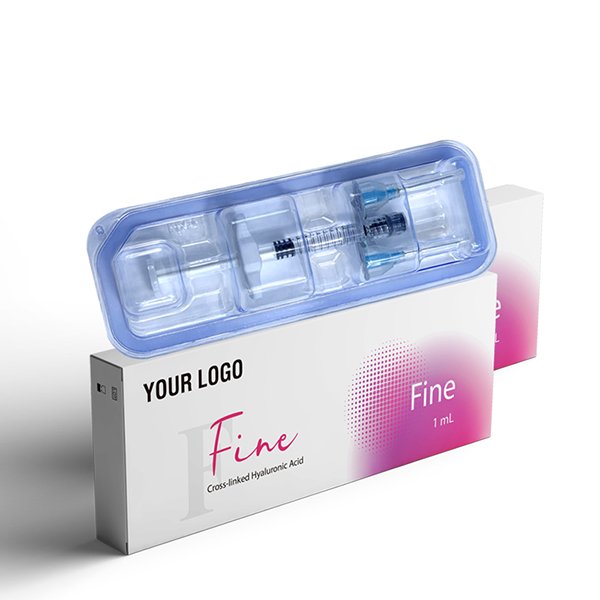
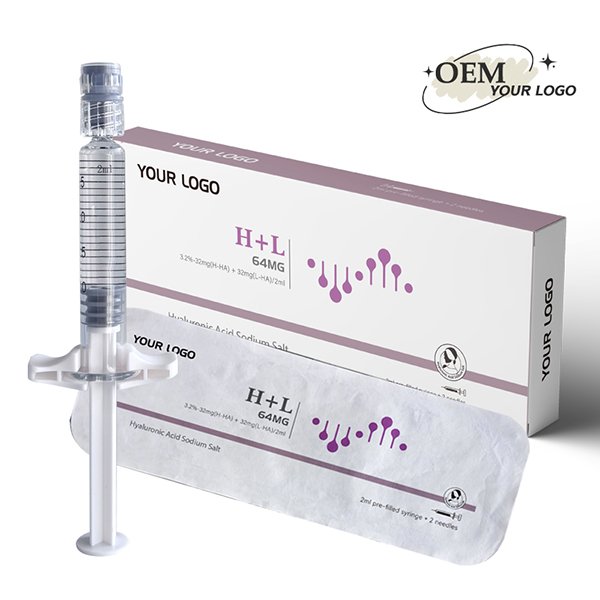
At their foundation, HA and collagen fillers solve similar problems through entirely different biological mechanisms. Think of HA as a supremely intelligent, динамичный water data hub. Это гликозаминогликан, a molecule naturally present in your skin, with a single, powerful function: binding and retaining water. One gram of HA can hold up to six liters of water. В форме наполнителя, through cross-linking technology, this natural property is amplified and stabilized. The product you supply is essentially a pre-formed, viscous gel of water-loving networks. Upon injection, it integrates with the skin’s own HA, drawing in water to add immediate volume, lift tissue, and smooth lines. Its performance is highly predictable based on its cross-linking density and particle size—finer gels for fine lines and lips, thicker gels for cheekbones and jawline contouring. The data point for B2B clients here is обратимость. HA fillers are uniquely dissolvable with an enzyme called hyaluronidase, offering a built-in safety and correction protocol, a major selling point for practitioners.
Collagen, с другой стороны, is the original structural protein framework. It’s the main component of the skin’s dermis, providing tensile strength and a natural scaffold. Bovine-derived collagen was the first-generation filler. Сегодня, the focus is on bio-stimulatory collagens like those derived from porcine sources (highly purified) or human-based (например, autologous or fibroblast-cultured). These fillers work differently. They don’t primarily work by sitting in place as a gel. Вместо, they act as a signaling matrix or a direct addition of structural protein. They integrate into the dermis and directly support the skin’s native collagen framework. Что еще более важно, certain types are designed to stimulate the patient’s own fibroblasts to produce new, endogenous collagen over time. The effect is less about immediate dramatic volume (though some provide that) and more about improving skin quality, эластичность, and providing a natural, integrative lift. The key B2B data is pre-treatment testing. Исторически, bovine collagen required skin allergy tests. While modern collagen fillers have significantly reduced allergy profiles, this historical context is part of the product narrative.
Динамика рынка & Клинические данные: What the Numbers Tell Distributors
Your clients—clinics and medical spas—are driven by efficacy, безопасность, and patient demand. Here’s how the data breaks down for your product portfolio strategy.
| Attribute | Филлеры гиалуроновой кислоты | Collagen-Based Fillers |
|---|---|---|
| Immediate Effect | Высокий, volume-driven. Instantly visible correction. | Переменная. Some provide immediate filler effect; others are more subtle, focusing on bio-stimulation. |
| Долголетие | Обычно 6-18 месяцы, depending on formulation and injection site. | Highly variable. Bio-stimulatory effects can last 12-24 months+ as they remodel natural tissue. |
| обратимость | Да. Dissolved with hyaluronidase. A major safety advantage. | Нет. Not dissolvable. Relies on natural degradation or correction with other products. |
| Allergy Profile | Extremely low (неживотное, bacterial-fermented). No skin test required. | Modern versions (porcine, human) have very low risk. Bovine required testing. This is a key market shift. |
| Основное приложение | Volume restoration, contouring, line filling. The “volumizer” и “shaper.” | Skin quality improvement, fine line correction, integrative support. The “rejuvenator” и “strengthener.” |
| Global Regulatory Footprint | Extremely wide. The dominant filler technology worldwide. | Growing, but more niche. Strongholds in specific markets (например, parts of Asia, Европа) and applications. |
| Profit Margin & Competition | High volume, highly competitive. Brand differentiation is key (Ювидерм, Рестилайн, и т. д.). | Often higher margin per unit due to specialized positioning and technology. Less direct competition. |
The current data shows HA fillers command approximately 80%+ of the global soft tissue filler market share. This is your volume leader. Однако, the collagen segment—particularly next-generation bio-stimulatory products—is the high-growth, high-value niche. It appeals to practitioners looking for regenerative, “tissue-building” solutions that complement the volumetric effect of HA.
Global Sourcing & Regulatory Considerations for Distributors
Navigating international supply means understanding regional biases and regulations. ГК наполнители, being synthetic-biological hybrids, generally face a more standardized, though still rigorous, regulatory path (Маркировка CE, FDA PMA/510(к), НМПА в Китае). Their widespread acceptance makes them a foundational stock item for any distributor.
Collagen fillers present a more nuanced picture. Sourcing is critical:
- Porcine Collagen: Requires stringent documentation of pathogen-free herds and purification processes. Acceptance is high in Europe and many Asian markets.
- Human-Derived (например, fibroblast-cultured): Carries a “human bio-identical” premium but involves complex bio-manufacturing and ethical sourcing protocols. It faces intense regulatory scrutiny but commands top-tier pricing.
- Bovine Collagen: Now largely a legacy product in most major markets due to allergy and prion disease concerns, though purified forms exist in some regions.
As a B2B supplier, your role is to provide not just the product, but the regulatory dossier, сертификация, and clear guidance on which markets each filler is best suited for. A clinic in Seoul may have strong demand for specific collagen biostimulants for skin quality, while a clinic in Dubai may prioritize high-volume, reversible HA fillers for contouring. Your inventory should be data-driven by these regional clinical preferences.
Профессиональный вопрос&А
вопрос: For a distributor new to the collagen space, what is the single biggest shift from the old bovine collagen to new-generation products?
А: The paradigm shift is from a simple “space-filling protein” to a “bio-stimulatory signaling device.” Modern collagen fillers, especially those derived from advanced purification or cell-culture technology, are designed not just to sit there, but to actively recruit the patient’s own cells (fibroblasts) and stimulate them to produce new, native collagen and elastin. This changes the value proposition from temporary correction to long-term tissue remodeling and requires different educational support for practitioners.
вопрос: How should we advise clinics on storing and handling HA versus collagen fillers?
А: Both typically require refrigerated storage (2-8°C). Однако, stability profiles differ. Most HA fillers are highly stable gels; their properties are defined by cross-linking. Avoid freezing, which can damage the gel structure. Collagen-based products, especially those containing native proteins, can be more sensitive to temperature fluctuations and repeated freezing/thawing, which may denature the protein. Always follow the specific Manufacturer’s Guide for each product line. Your credibility depends on providing this precise logistical data.
вопрос: In a consult, when should a practitioner consider combining HA and collagen fillers?
А: This is a sophisticated, high-value treatment strategy. A common protocol is using an HA filler for immediate volume and projection in areas like the cheeks or lips (тот “architecture”), and a bio-stimulatory collagen-based product in more superficial layers or broader areas like the mid-face or under-eyes for diffuse skin quality improvement and support (тот “foundation”). They are complementary technologies, not competitors. Distributors who educate on combination therapy can increase basket size and practice prestige.