
최근에는, 히알루론산 (하아) 필러는 비수술 미용 치료에 혁명을 일으켰습니다., 볼륨 손실을 위한 다양한 솔루션 제공, 주름, 그리고 피부 재생. With an array of products available—each with distinct properties—selecting the right one can be overwhelming. This guide will help you navigate the key considerations, from gel consistency and injection depth to longevity and safety profiles, ensuring your choice aligns perfectly with your skin concerns and aesthetic goals.
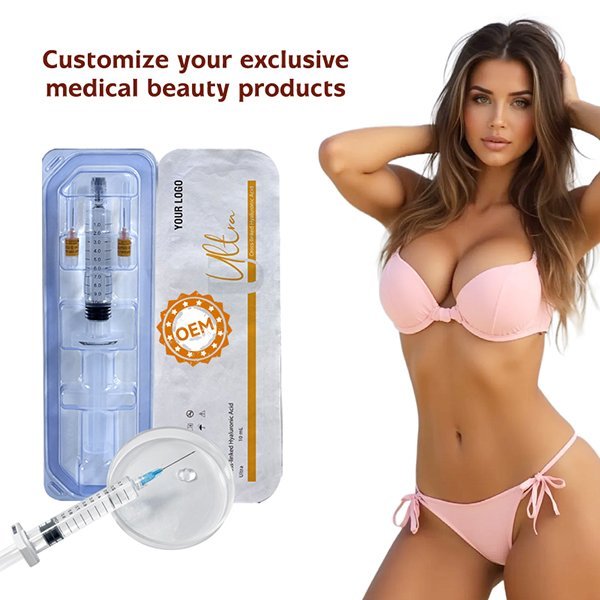
히알루론산 필러 이해하기: Beyond the Basics
Hyaluronic acid is a naturally occurring sugar molecule in our skin that retains moisture and provides structural support. 나이가 들수록, HA depletion leads to volume loss, 가는 선, and sagging. Dermal fillers based on hyaluronic acid are gel-like substances injected into the skin to restore volume, 매끄러운 주름, 윤곽을 강화하고. What many don’t realize is that not all HA fillers are the same. Their performance depends on factors like 가교 기술, 입자 크기, gel viscosity, 그리고 탄력 (G-프라임).
가교, 예를 들어, determines how long the filler lasts and how it integrates with tissue. Highly cross-linked HA gels are more durable and better for deep volumizing, while lighter cross-linked fillers are ideal for superficial fine lines. According to recent market analyses, the global dermal filler market is projected to reach $8.9 10억 단위로 2028, with HA fillers accounting for over 70% 치료의. Below is a comparison of common HA filler characteristics:
| 필러 종류 | 최고의 대상 | Injection Depth | 장수 | Key Properties |
|---|---|---|---|---|
| Light/Soft Fillers | 잔주름, 입술 강화 | Superficial to mid-dermis | 6–12 months | 저점도, high spreadability |
| Medium-Density Fillers | 팔자주름, 볼볼륨 | Mid to deep dermis | 12-18개월 | Balanced elasticity and integration |
| High-Density Fillers | 턱선 컨투어링, 볼륨마이징 | Deep dermis/subcutaneous | 18–24 months | 높은 G-프라임, 견고한 리프팅 용량 |
Matching Fillers to Specific Skin Issues
Volume Loss and Sagging Skin
For moderate to severe volume depletion in areas like the cheeks, 사원, 그리고 손, high-density fillers with strong lifting capacity are ideal. 같은 제품 쥬비덤 볼루마 또는 레스틸렌 리프트 are engineered with high elastic modulus (G-프라임) to provide structural support and stimulate collagen over time.
Wrinkles and Folds
팔자주름, 꼭두각시 라인, and forehead wrinkles respond best to medium-density fillers that integrate smoothly without overcorrection. 레스틸렌 디파인 또는 쥬비덤 울트라 플러스 offer natural movement and are designed for dynamic areas.
Lip Enhancement and Fine Lines
Lips and perioral lines require soft, malleable fillers with low viscosity to avoid lumps and ensure a natural look. 벨로테로 리브라 또는 레스틸렌 키스 are tailored for subtle definition and hydration of delicate tissue.
Skin Quality and Hydration
For overall skin rejuvenation—improving texture, 수화, and radiance—micro-droplet techniques with very fluid HA fillers like 레스틸렌 스킨부스터 또는 Teosyal Redensity can be administered superficially to boost the skin’s moisture content and luminosity.
Critical Factors in Filler Selection: 안전, 장수, and Expertise
Choosing a filler isn’t just about the issue at hand; it involves evaluating safety data, 잠재적인 부작용, and the injector’s skill. Hyaluronic acid fillers are considered safe, with reversible effects (using hyaluronidase if needed), but risks like bruising, 부종, or vascular complications exist. Always opt for FDA-approved or CE-marked products and ensure your provider is trained in facial anatomy.
Longevity varies widely—from 6 months to over 2 years—depending on the product, 치료 부위, 그리고 개인의 신진대사. Newer technologies, ~와 같은 Vycross (쥬비덤) 또는 Optimum Balance Technology (테오시알), aim to extend duration while maintaining natural feel.
The practitioner’s expertise cannot be overstated. An experienced injector will consider your facial structure, 피부 두께, 그리고 aging pattern to create a personalized plan, possibly combining different fillers for a harmonious outcome.
The Future of HA Fillers: 트렌드와 혁신
The field is evolving rapidly. Recent advances include tailored HA blends with added antioxidants, bio-stimulatory fillers that enhance collagen more effectively, 그리고 맞춤형 제제 based on genetic skin profiles. 게다가, 상승 micro-cannula techniques has improved precision and reduced downtime.
Data from clinical studies also highlight a growing preference for combination therapies—using HA fillers alongside botulinum toxin, PLLA stimulators, 또는 에너지 기반 장치 like lasers for synergistic effects. This integrated approach addresses multiple aging mechanisms simultaneously, offering more comprehensive and lasting results.
프로페셔널Q&에이: 일반적인 문제 해결
큐: How do I know which HA filler is safe for my skin type?
에이: All FDA-approved HA fillers are tested for safety across skin types. 하지만, individuals with a history of hypertrophic scarring or autoimmune conditions should consult a dermatologist. Patch tests are rarely required for HA fillers, as adverse reactions are uncommon.
큐: Can HA fillers be dissolved if I’m unhappy with the results?
에이: 예, one of the key advantages of HA fillers is their reversibility. An enzyme called hyaluronidase can dissolve the filler, 일반적으로 24~48시간 이내.
큐: What is the difference between “cross-linked” and “non-cross-linked” hyaluronic acid?
에이: Cross-linked HA has been chemically modified to create a stable gel that resists degradation, making it suitable for volume correction. Non-cross-linked HA is more fluid and used primarily for skin hydration treatments.
큐: Are there any long-term side effects of repeated filler use?
에이: Studies show that with proper technique and appropriate intervals (usually 12–24 months), long-term use is safe. 하지만, overcorrection or frequent injections in the same area can lead to tissue stretching or inflammation.
큐: How can I ensure natural-looking results?
에이: Choose an experienced injector who emphasizes a “less is more” philosophy. The goal should be enhancement—not transformation—and using fillers that match your skin’s natural movement and anatomy.
부인 성명: This article is for informational purposes only. Consult a qualified medical professional for personalized advice before undergoing any aesthetic treatment.