
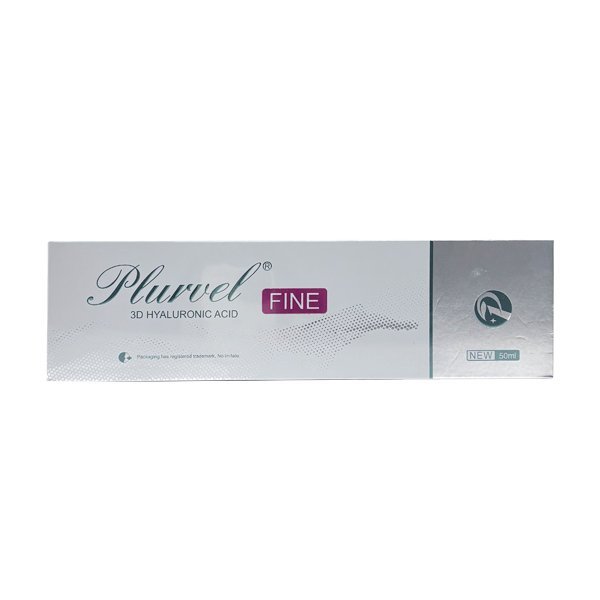
China’s Manufacturing Pivot: Why Global Dealers Are Sourcing Dermal Fillers Here
Let’s talk about the real shift happening right now. If you’re sourcing dermal fillers in 2024, your shortlist almost certainly leads to China. This isn’t about being the “world’s factory” for cheap goods anymore. It’s about becoming the epicenter for advanced, cost-effective, and compliant biomedical aesthetics. The data is stark: China’s export value of hyaluronic acid dermal fillers has seen a compound annual growth rate of over 18% for the past three years. For B2B dealers, the calculus is clear. You’re looking for factories that combine scale with sophistication, and that’s exactly where the top Chinese manufacturers are playing. They’ve moved past pure OEM into full ODM and independent R&D, building facilities that meet not just China’s NMPA standards but also target CE Marking, FDA approvals, and certifications from markets in Southeast Asia, خاورمیانه, and Latin America. The key driver? A fully integrated supply chain. From fermenting high-purity hyaluronic acid domestically to producing precision syringes and needles in-house, top factories control quality and cost from raw material to finished box. This vertical integration is your buffer against the global supply chain shocks that have plagued other regions.
Inside the Top-Tier Factory: A Dealer’s Checklist for Vetting Partners
You need a checklist that goes beyond a glossy brochure. When evaluating a top dermal filler factory, it’s about tangible, auditable assets. اول, inspect the cleanroom classification. Leading factories operate Class 100,000 (ISO Class 8) or cleaner environments for filling and assembly, with critical steps in ISO Class 5 (Class 100) biosafety cabinets. This isn’t optional; it’s the baseline for sterility assurance. دوم, demand transparency on cross-linking technology. The proprietary methods (به عنوان مثال, ناشا, HICE, و غیره) determine a product’s longevity, ویسکوزیته, and swelling potential. Top factories invest in R&D to refine these processes, resulting in portfolios that range from ultra-smooth, low-swelling products for fine lines to highly cross-linked, بالا-G’ fillers for structural volumizing. سوم, scrutinize the quality management system. Is it a paper exercise or a digital, data-driven backbone? Real-time monitoring of production parameters, full traceability of every batch via unique codes, and rigorous in-process testing (like rheology checks and endotoxin monitoring) are what separate market leaders.
Here’s a snapshot of the operational metrics that distinguish a top-tier factory from a basic one:
| Capability Area | Top-Tier Factory Benchmark | Standard Factory Offering |
|---|---|---|
| Annual Production Capacity | 20+ million syringes | 2-5 million syringes |
| آر&D Investment | 8-12% of annual revenue | 2-4% of annual revenue |
| Standard Certifications | ISO 13485, CE (MDR compliant), ندوا, FDA (اگر قابل اجرا باشد) | ISO 13485, CE (may be MDD legacy) |
| زمان سرب (Standard Order) | 45-60 روز (stable due to vertical integration) | 75-90 روز (subject to component sourcing) |
| عمق سبد محصولات | 20+ SKUs across HA densities, lidocaine/non-lidocaine, needle gauges | 5-10 core SKUs, limited variations |
The Innovation Engine: How R&D is Reshaping the Global Supply
The narrative that China only copies is dead. The leading dermal filler factories are now innovation powerhouses, and their R&D pipelines are your future inventory. Their focus is on creating differentiated value for you, توزیع کننده. We’re talking about next-generation products like polydensified matrix (PM) fillers that offer variable density within a single syringe for more natural results, and sustained-release fillers combining HA with microspheres for longer duration. A major factory in Shanghai recently filed over 15 international patents for a novel, plant-based cross-linker aimed at further reducing immunogenicity. This innovation is data-driven. They utilize advanced molecular characterization tools (like SEC-MALLS for molecular weight distribution) and 3D skin model testing to predict clinical performance before trials even begin. برای فروشندگان, this means you’re not just buying a generic HA gel; you’re offering a technologically advanced tool with a compelling clinical story. This allows you to move up the value chain, competing on performance and safety data rather than just price.
Navigating Logistics and Compliance: The Realities of Global Export in 2024
Your partnership hinges on a factory’s ability to get product to your warehouse reliably and legally. Top factories have dedicated international trade teams that are experts in the thorniest part of our business: regulatory logistics. They don’t just hand you a certificate; they manage the process. For the EU, they’re ahead of the MDR transition, ensuring Technical Documentation is complete and ready for potential audits by your Notified Body. For emerging markets, they have pre-compiled dossiers for ANVISA (برزیل), INVIMA (Colombia), and TFDA (Turkey). On the shipping floor, look for facilities with direct partnerships with global freight forwarders specializing in temperature-controlled logistics (2-25درجه سانتی گراد). The best provide real-time GPS and temperature tracking for every shipment, with contingency plans for rerouting if delays occur. They understand that a product’s stability data is only valid if the cold chain is never broken, and they build their logistics around that promise.
Building a Partnership, Not Just a Purchase Order
The final differentiator is how a factory supports you after the container is shipped. Market-leading factories act as true commercial partners. This includes providing comprehensive marketing kits with clinically-approved before/after images, 3D product animation videos for your website, and detailed competitor comparison charts to help your sales team. They offer flexible co-branding options, from simple private label to full custom packaging design support. Critically, they have active post-market surveillance systems. Any adverse event feedback you receive can be logged into their system, triggering a formal investigation and root-cause analysis, which protects your brand in the market. They also run regular training webinars for your team on product specifics, injection techniques (for clinical audiences), and regulatory updates. This level of support turns a supplier into a strategic asset for your distribution business.
**کیو حرفه ای&A**
**Q1: What’s the most critical document to request when vetting a new dermal filler factory in China?**
الف: Beyond the standard business license, insist on the **Certificate of Medical Device Registration (CMD)** issued by China’s NMPA for the specific products you intend to source. This is the non-negotiable proof that the factory’s product has passed the country’s rigorous safety and efficacy reviews. Request a copy and verify its authenticity on the NMPA database. سپس, ask for the corresponding **CE Certificate (under MDR)** and the associated **Notified Body Report** for the EU market. A reputable factory will provide these readily.
**Q2: How can we assess the true production capacity and avoid suppliers who overpromise?**
الف: Ask for a **verified video tour of the production line in real-time**, not a staged promo. سپس, request specific data: the number of automated filling lines, shifts per day, and the validated speed (syringes/hour) of the main filling machine. Cross-reference this with their raw material inventory records for HA and prefilled syringes. در نهایت, ask for contact information of two other **international distributors** who have placed large orders (100,000+ واحدها) in the last 6 months for a reference check on delivery timelines.
**Q3: With rising raw material costs, how are top factories ensuring price stability for long-term contracts?**
الف: Leading factories use **annual bulk purchasing agreements (BPAs) with domestic HA fermenters** and **hedging strategies** for key commodities. They also design for efficiency, reducing overfill and optimizing packaging. When discussing contracts, look for clauses that offer **price stability for 12-18 months** based on committed quarterly order volumes, with clear terms for adjustment only if raw material costs exceed a mutually-agreed threshold (به عنوان مثال, الف 15% increase). Transparency about their cost structure is a sign of a trustworthy partner.
**Q4: What specific questions should we ask about a product’s “تورم” یا “odema” profile?**
الف: Go beyond marketing claims. Ask for the **swelling factor data** from their *in vitro* lab tests (typically a measurement of volume increase after immersion in solution). مهمتر, request **clinical photographs from their pre-market studies at defined follow-up points (به عنوان مثال, 72 ساعت, 1 week)**. Ask if they have conducted comparative studies with major branded products on this specific parameter. A factory with a low-swelling formulation will have this data prepared and will often highlight it as a key selling point.