
From Biological Curiosity to Beauty Staple
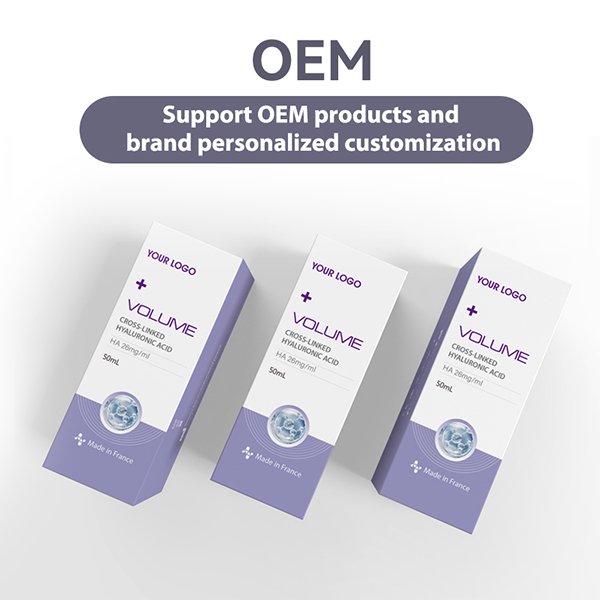
اسید هیالورونیک (HA) began its journey not in a cosmetic surgeon’s office, but within the quiet, meticulous world of basic science. First identified in 1934 by Karl Meyer and John Palmer in the vitreous humor of cows’ eyes, this viscoelastic substance was initially a biochemical curiosity. Its name derives from “hyalos,” the Greek word for glass, reflecting its clear, vitreous appearance. For decades, HA remained largely within the domain of researchers who worked to understand its fundamental biological role as a key component of connective tissues, skin, and synovial fluid, prized for its incredible capacity to bind water—up to 1,000 times its own weight.
The pivot toward aesthetics began indirectly through ophthalmology and orthopedics in the 1970s and 1980s. HA’s superb biocompatibility and lubricating properties made it ideal for use in eye surgery and early attempts at treating arthritic joints. با این حال, a significant barrier existed: the HA derived from animal sources, like rooster combs, was short-lived in the human body, broken down by enzymes within a day or two. The true revolution came with the development of bacterial fermentation technology in the late 1990s. This allowed for the production of a non-animal, pharmaceutical-grade HA that was pure, consistent, and had a lower risk of allergic reactions. This technological leap was the essential precursor, setting the stage for a material that could be engineered to last long enough under the skin to be practical for cosmetic enhancement.
The first major aesthetic application was in correcting facial wrinkles. در 2003, the U.S. Food and Drug Administration (FDA) approved the first HA-based dermal filler, Restylane, for the correction of moderate to severe facial wrinkles and folds (like the nasolabial folds). This approval marked a paradigm shift. For the first time, doctors had a highly effective, reversible, and biocompatible tool that could restore volume, hydrate tissue from within, and provide natural-looking results with minimal downtime. It swiftly began to replace older, more problematic materials like silicone and collagen (which often caused allergic reactions and offered shorter duration).
The Engineering Revolution: Cross-Linking and Product Diversification
The native, unmodified hyaluronic acid molecule is a linear polysaccharide that the body’s hyaluronidase enzymes break down within 24-48 ساعت. For aesthetic use, longevity is paramount. The breakthrough that transformed HA from a fleeting substance to a durable filler was the science of پیوند متقابل. This chemical process creates bonds between the long chains of HA molecules, weaving them into a more robust, gel-like network. This stabilized gel resists enzymatic degradation much more effectively, allowing it to persist in tissue for months.
The degree and method of cross-linking became the primary lever for product design. Manufacturers soon realized they could engineer a whole portfolio of fillers by varying this parameter, along with particle size and gel consistency. This led to the creation of a sophisticated product ladder, each rung designed for a specific anatomical purpose:
- خطوط ظریف & Skin Quality: Low-density, lightly cross-linked gels (به عنوان مثال, Restylane Skinboosters, بلوترو سافت) are designed for superficial injection to improve skin hydration, خاصیت ارتجاعی, and very fine lines.
- تقویت لب & Dynamic Areas: Medium-density gels with balanced elasticity and cohesion (به عنوان مثال, Juvéderm Volbella, بوسه ریستیلن) are crafted for the lips and perioral area, offering natural movement and subtle volume.
- Mid-Depth Wrinkles & تا می شود: The workhorse fillers (به عنوان مثال, Juvéderm Ultra, Restylane-L) target nasolabial folds and moderate wrinkles, providing support and smoothing.
- Volumizing & Sculpting: High-density, highly cross-linked gels (به عنوان مثال, Juvéderm Voluma, Restylane Lyft) are designed for deep subcutaneous injection to restore major volume loss in the cheeks, چانه, and jawline. They provide a strong “lifting” اثر.
This era of specialization empowered practitioners to practice precision aesthetics, moving beyond simple wrinkle filling to a holistic approach of facial contouring, rebalancing proportions, and restoring youthful structural support based on an understanding of facial anatomy and aging.
The Modern Era: Beyond Filling to Regeneration and Bio-Remodeling
The 2010s and 2020s have seen the role of hyaluronic acid evolve from a passive space-filler to an active participant in skin bio-remodeling and regeneration. The latest frontier is the development of hyaluronic acid with integrated technologies.
A landmark innovation is the combination of HA with biostimulatory agents. Products like مجسمه (primarily poly-L-lactic acid) paved the way, but newer HA fillers are now being designed to work in tandem with other regenerative processes. More recently, the focus has shifted to HA as a delivery system. Some next-generation gels are exploring the inclusion of antioxidants (like mannitol), اسیدهای آمینه, یا peptides aimed at protecting the HA from free-radical degradation و stimulating surrounding fibroblasts to produce more of the skin’s own collagen and elastin over time. This creates a dual effect: immediate volume correction followed by long-term tissue improvement.
علاوه بر این, the application of HA has expanded dramatically beyond the face:
- Hand Rejuvenation: Injected to restore lost volume, reduce the visibility of tendons and veins, and improve skin quality on the dorsal hands.
- Neck & Décolletage: Superficial micro-droplet techniques (مزوتراپی) are used to improve skin hydration, بافت, and fine lines in these sun-exposed areas.
- Non-Surgical Rhinoplasty & کانتورینگ خط فک: Using HA to sculpt and define facial features without surgery has become a highly sought-after art form.
- Intimate Rejuvenation: The use of specialized HA gels for vaginal and vulvar restoration represents one of the fastest-growing segments in aesthetic gynecology.
این delivery methods have also evolved. While syringe-and-needle injection remains the standard, newer techniques like cannulas (blunt-tipped tubes) are favored for increased safety in sensitive areas. Additionally, topical HA has seen a scientific renaissance, with a clearer understanding that while high-molecular-weight HA forms a hydrating film on the skin’s surface, low-molecular-weight fragments may have bioactive, signaling roles that influence inflammation and healing.
Market Impact, ایمنی, and Future Directions
Hyaluronic acid has unequivocally become the cornerstone of the non-surgical aesthetic industry. It dominates the global dermal filler market, which was valued at approximately USD 5.7 میلیارد در 2023 and is projected to exceed USD 9.5 میلیارد توسط 2030, growing at a compound annual growth rate (CAGR) of over 7.5%. HA fillers are estimated to account for over 80% of this market. This growth is driven by an increasing social acceptance of aesthetic procedures, technological advancements in product safety and longevity, and a growing aging population with disposable income.
Safety and Management:
The widespread use of HA is underpinned by its excellent safety profile and one critical feature: برگشت پذیری. Unlike permanent fillers, adverse effects like overcorrection, عدم تقارن, or vascular complications can often be rapidly addressed with an injection of the enzyme هیالورونیداز, which dissolves the HA. This “safety net” has been instrumental in its adoption. Common side effects are typically mild and transient (کبودی, تورم, سرخی). The most significant risk is rare vascular occlusion, which underscores the paramount importance of practitioner expertise and in-depth anatomical knowledge.
Comparative Table of Hyaluronic Acid Filler Characteristics by Generation
| Characteristic | Early Generation (2000س) | Current Generation (2010-2020س) | Next-Generation / Emerging |
|---|---|---|---|
| Primary Source | Avian (Rooster Comb) | Bacterial Fermentation (Non-Animal) | Bacterial Fermentation (High-Purity) |
| Key Innovation | Basic Stabilization (BDDE Cross-Linking) | Tailored Rheology (G’/Elasticity/Cohesion) | Integrated Bio-Actives (Antioxidants, Peptides) |
| طول عمر | 6-9 ماه ها | 9-18 ماه ها (product/depth dependent) | Aiming for 18-24+ months with regenerative effects |
| Treatment Focus | Line and Fold Correction | کانتورینگ صورت & Volume Restoration (گونه ها, چانه, خط فک) | Skin Quality Regeneration + حجم; Micro-Droplet Techniques |
| Major Brands (نمونه ها) | Restylane (Original), Juvéderm Ultra | Juvéderm Voluma, Volift, Restylane Lyft, Defyne, بلوترو لیبرا | RHA® Redensity (Resilient HA), products with lidocaine + antioxidants |
| نمایه ایمنی | Good, reversibility established | Excellent, refined with integrated anesthetic (لیدوکائین) | Focus on reduced swelling & enhanced biocompatibility |
کیو حرفه ای&A on Hyaluronic Acid in Aesthetics
Q1: What is the single most important factor in achieving natural-looking results with HA fillers?
الف: تخصص پزشک. While product selection is crucial, the skill, anatomical knowledge, and aesthetic eye of the injector are paramount. A masterful practitioner understands how to place the right product in the correct tissue plane to restore natural volume and shadow, rather than just filling lines. They prioritize a global assessment of facial harmony and aging over isolated spot treatments.
Q2: With the rise of “tweakments” and preventative treatments, at what age is it appropriate to start considering HA fillers?
الف: There is no universal “right age.” The trend is shifting toward earlier, preventative or proactive use in the late 20s to mid-30s. At this stage, small amounts of product can be used strategically to support structures (like the cheeks) that are beginning to weaken, slowing the visible progression of aging. The goal is subtle enhancement and maintenance rather than dramatic correction of advanced aging.
Q3: How long do results actually last, and what factors influence duration?
الف: While product labels may cite ranges like 6-12 ماه ها, individual variation is significant. عوامل کلیدی عبارتند از:
- Product Type: Higher cross-linked, viscous fillers for volumizing last longer (12-24 ماه ها) than fine-line fillers (6-9 ماه ها).
- Injection Area: Highly mobile areas (لب) metabolize product faster than static ones (استخوان گونه).
- Individual Metabolism: A patient’s rate of tissue turnover and lifestyle (سیگار کشیدن, قرارگیری در معرض نور خورشید, exercise intensity) can accelerate breakdown.
- Injection Technique: Precise placement in the optimal tissue plane maximizes longevity and integration.
Q4: What are the most promising future directions for HA technology?
الف: The future lies in smart, multifunctional gels. Research is focused on:
- Longer-Lasting, Biostimulatory HA: Fillers that not only provide volume but also consistently promote neocollagenesis for years.
- Personalized Aesthetics: Using advanced imaging and perhaps even genetic markers to tailor filler rheology and treatment plans to an individual’s unique facial architecture and aging pattern.
- Minimally Invasive Delivery: Continued refinement of micro-cannulas and exploration of novel delivery systems to enhance precision, patient comfort, and safety.
- Expanded Indications: Continued research into the use of specialized HA for regenerative purposes in scars, بهبود زخم, and broader medical-aesthetic applications.
Hyaluronic acid’s journey in aesthetics is a testament to the power of marrying biological insight with material science. From its humble origins as a component of vitreous humor to its current status as a versatile, safe, and indispensable tool for facial restoration and enhancement, HA has continually evolved. As science pushes forward, its role is set to deepen further, moving from a brilliant space-filler to an intelligent partner in the art and science of graceful aging.