
در دنیای همیشه در حال تکامل پزشکی زیبایی, تلاش برای رفع نگرانیهای زیر چشم - بهویژه گودیها و حلقههای تیره - اولویت اصلی بسیاری است.. The delicate under-eye area, often the first to show signs of fatigue, aging, and genetic predisposition, can significantly impact one’s perceived vitality. While countless topical creams and serums promise rejuvenation, their efficacy for volume loss and significant discoloration is limited. اسید هیالورونیک را وارد کنید (HA) پرکننده های پوستی: a popular, minimally invasive treatment that has gained considerable attention for its potential to restore volume and improve the appearance of dark shadows. But can fillers truly help with dark circles? این راهنمای جامع به علم می پردازد, کاربرد, and realistic outcomes of using hyaluronic acid for under-eye hollows.
The Anatomy of Under-Eye Hollows and Dark Circles: چیزی فراتر از کمبود خواب
To understand whether fillers can help, we must first distinguish between the different causes of under-eye darkness and hollowing. این “غار اشک” or under-eye hollow is the depression that runs from the inner corner of the eye down to the cheek. This area can become more pronounced with age due to a complex interplay of factors:
- کاهش حجم: با افزایش سن, we lose subcutaneous fat and collagen in the mid-face and under-eye area. This natural atrophy, combined with bone resorption, causes the skin to drape over the underlying structures, ایجاد یک سایه, ظاهر توخالی.
- نازک شدن پوست: پوست زیر چشم نازک ترین پوست بدن است. با گذشت زمان, حتی نازک تر می شود, making the underlying blood vessels and muscles (like the orbicularis oculi) بیشتر قابل مشاهده است. These can appear as bluish or purplish discoloration.
- استعداد ژنتیکی: Some individuals inherit a pronounced tear trough deformity or have naturally thinner under-eye skin and more translucent skin, leading to a perennial shadowed look, often present from a young age.
- هایپرپیگمانتاسیون: For some, especially those with darker skin tones, dark circles are caused by an excess production of melanin (melanin-related pigmentation) in the under-eye skin.
- عوامل سبک زندگی: Fatigue, آلرژی, and fluid retention can exacerbate the appearance of darkness and puffiness, but they are typically not the primary cause of structural hollows.
بسیار مهم است, را “dark” in dark circles is often a visual trick of light and shadow. A deep tear trough creates a shadow that the eye perceives as darkness. این به عنوان یک شناخته می شود structural or shadow-based dark circle. It is this type that is most responsive to filler treatment. Pigmentation-based darkness, از سوی دیگر, requires different approaches like topical lightening agents or laser therapies.
| Primary Cause of Under-Eye Concern | Characteristics | Likely Response to HA Filler |
|---|---|---|
| Structural Hollowing (کاهش حجم) | Deep groove, shadow effect, improves when light is directed upwards. | عالی. Filler replaces lost volume, lifting the trough and eliminating the shadow. |
| Thin Skin with Visible Vessels | Bluish/purplish hue, visible network of capillaries. | متوسط. Filler can provide a subtle masking effect by adding a layer between skin and vessels, but results vary. |
| Melanin Hyperpigmentation | Brownish discoloration, consistent color regardless of lighting. | بیچاره. Filler does not address pigment. Can even make darkness more noticeable if placed too superficially (اثر تیندال). |
| Mixed Etiology | Combination of hollowing and pigmentation. | جزئی. Filler will improve the hollow/shadow component but not the pigment. A combined treatment plan is needed. |
How Hyaluronic Acid Fillers Work to Rejuvenate the Under-Eye Area
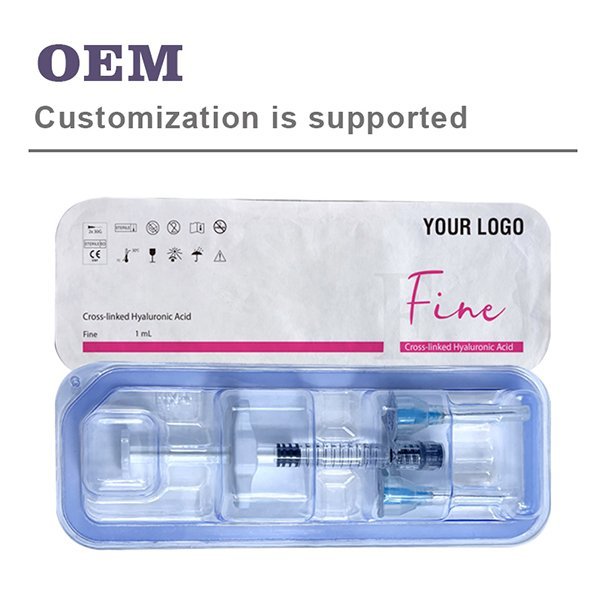
هیالورونیک اسید یک مولکول قندی است که به طور طبیعی در پوست ما یافت می شود, مفاصل, و چشم ها. Its primary function is to bind and retain water, تامین آبرسانی و حجم. در فیلرهای پوستی, HA is engineered into a smooth, cohesive gel through a process called cross-linking, which determines its viscosity, ظرفیت بالابر, و طول عمر.
When expertly injected into the deep medial cheek and along the orbital rim (the bone surrounding the eye), the filler works on several levels:
- Volumization and Lift: The primary goal is to add structural support precisely along the bone. This restores the smooth transition from the lower eyelid to the cheek, effacing the tear trough hollow. By lifting the depression, the shadow that creates the illusion of darkness is eliminated.
- Hydration and Skin Quality: HA’s hydrophilic properties draw water to the area, potentially improving skin thickness and quality over time. برخی جدیدتر, more fluid HA fillers are specifically designed for very superficial injection to improve skin texture and reduce the visibility of fine lines.
- تحریک کلاژن (Indirect): While not a primary collagen stimulator like Sculptra, the physical presence of the filler and the minor trauma from the injection process can trigger a mild, beneficial wound-healing response that may encourage new collagen formation.
The key to success lies in the “عمیق, on-bone” تکنیک تزریق. Placing the product in the supraperiosteal plane (just above the bone) minimizes risk, ensures a natural lift, and avoids visible lumps or the dreaded Tyndall effect—a bluish discoloration that occurs when clear HA filler is placed too superficially in thin skin.
فرآیند درمان: از مشاوره تا بهبودی چه انتظاری باید داشت
A successful under-eye filler treatment is 90% consultation and planning and 10% technical execution.
- مشاوره جامع: ارائه دهنده واجد شرایط (ideally a board-certified dermatologist or plastic surgeon with extensive experience in the periorbital area) will assess your anatomy. They will determine the dominant cause of your concern (توخالی در مقابل. رنگدانه), evaluate skin thickness, check for cheek descent, و در مورد نتایج واقع بینانه بحث کنید. This is when candidacy is determined.
- آماده سازی قبل از درمان: برای به حداقل رساندن کبودی, patients are advised to avoid blood-thinning medications, مکمل ها (مثل آسپرین, ایبوپروفن, روغن ماهی, ویتامین E), و الکل برای 5-7 روز قبل.
- رویه: منطقه پاکسازی می شود, و از بی حسی موضعی یا موضعی استفاده می شود. با استفاده از یک سوزن یا کانول بسیار ظریف (a blunt-tipped tube that is safer near delicate vessels), the provider meticulously deposits tiny amounts of a chosen, soft HA filler. فرآیند معمولا طول می کشد 15-30 دقیقه.
- Immediate Aftercare and Recovery: تورم خفیف, سرخی, and potential bruising are normal. Applying cold compresses gently and sleeping slightly elevated for the first night or two helps. Most bruising subsides within 3-7 روز. Final results are visible once initial swelling resolves, معمولا در داخل 2 هفته ها.
- Downtime and Results: There is minimal to no downtime for most, though some plan the procedure before a weekend. Results are immediate in terms of volume, with optimal smoothing visible after swelling subsides. The effects typically last 9 به 15 ماه ها, بسته به محصول مورد استفاده و متابولیسم فردی.
خطرات, محدودیت ها, and the Critical Importance of Choosing an Expert
ناحیه زیر چشم یکی از چالش برانگیزترین و پرخطرترین مناطق برای تزریق فیلر است.. Potential complications underscore why choosing an expert is non-negotiable:
- سازش عروقی: The most severe risk is accidental injection into an artery, which can block blood flow and potentially lead to skin necrosis (مرگ بافت) یا, در موارد بسیار نادر, کوری. An expert’s knowledge of anatomy and use of cannulas drastically reduces this risk.
- اثر تیندال: همانطور که ذکر شد, bluish discoloration from superficial placement.
- Lumps and Irregularities: Overcorrection or improper technique can lead to visible bumps, especially when smiling.
- Swelling and “پف کرده” نگاه کن: Some individuals prone to fluid retention may experience prolonged swelling.
- Unsatisfactory Results for Pigmentation: If dark circles are primarily due to pigment, filler will not help and may draw attention to the area.
الف 2023 بررسی در مجله پوست زیبایی highlighted that while patient satisfaction with tear trough fillers is generally high (تمام 85% in several studies), the rate of adverse events is significantly lower when performed by highly experienced practitioners using cannulas and appropriate product selection.
Alternatives and Adjunctive Treatments: A Holistic Approach
برای خیلی ها, یک رویکرد ترکیبی بهترین نتیجه را به همراه دارد. HA fillers address the structural issue, but other treatments can enhance the outcome:
- For Pigmentation: Prescription topical creams (containing hydroquinone, tranexamic acid, رتینوئیدها), لایه برداری شیمیایی, و لیزر درمانی (like fractional non-ablative or picosecond lasers) target melanin.
- For Thin Skin & Vessels: Biostimulatory fillers like Sculptra (PLLA) or therapies like PRP (پلاسمای غنی از پلاکت) or microneedling may help stimulate collagen to thicken the dermis over time.
- For Laxity and Fine Lines: Radiofrequency microneedling or fractional lasers can tighten skin and improve texture.
- Surgical Options: For severe cases with excess skin, a lower blepharoplasty (جراحی پلک) is the gold standard, often combined with fat repositioning to fill hollows.
کیو حرفه ای&الف: پرداختن به نگرانی های رایج
Q1: How do I know if my dark circles are from hollows or pigmentation?
الف: انجام دهید “تست نور” In a brightly lit room, stand in front of a mirror and shine a light directly upwards onto your under-eye area. If the darkness significantly diminishes or disappears, it’s likely structural hollowing creating a shadow. اگر تاریکی بدون تغییر باقی بماند, it is primarily pigmentation. مشاوره با متخصص پوست می تواند تشخیص قطعی را ارائه دهد.
Q2: پرکننده زیر چشم دردناک است, and how long does it last?
الف: Discomfort is minimal due to the use of effective topical and local anesthetics. Most patients describe a mild pressure or tingling sensation. The results are not permanent; hyaluronic acid is metabolized by the body over time. Under-eye fillers typically last between 9 و 15 ماه ها, though this varies based on the specific product, تکنیک تزریق, and individual factors like metabolism and activity level.
Q3: What is the most important factor in ensuring a safe and natural result?
الف: این skill and experience of the injector مهم است. This area requires an in-depth understanding of facial anatomy, a conservative approach, and mastery of advanced techniques like cannula use. Always choose a board-certified provider who specializes in facial aesthetics and can show you a portfolio of their own under-eye treatments. Do not prioritize price over expertise for this delicate procedure.
Q4: اگر نتیجه را دوست نداشته باشم، می توان فیلر را حل کرد?
الف: بله, one of the key safety advantages of hyaluronic acid fillers is that they can be rapidly dissolved with an enzyme called hyaluronidase. If there is overcorrection, یک توده, or an adverse reaction, a provider can inject hyaluronidase to break down the HA filler, معمولا در داخل 24-48 ساعت.
نتیجه گیری
Hyaluronic acid fillers represent a powerful, minimally invasive solution for under-eye hollows and the shadow-based dark circles they create. By skillfully restoring lost volume along the orbital rim, they can dramatically refresh the mid-face and create a more rested, ظاهر جوان. با این حال, they are not a universal cure for all types of dark circles. A successful outcome hinges on an accurate diagnosis, انتظارات واقع بینانه, و, انتقادی ترین, treatment by a highly qualified and experienced medical professional. For those struggling with the shadow of a deep tear trough, modern aesthetic medicine, with HA fillers as a cornerstone, offers a path to brighter, smoother contours that topical products alone cannot achieve.