
Understanding Hyaluronic Acid Fillers and Their Rising Popularity
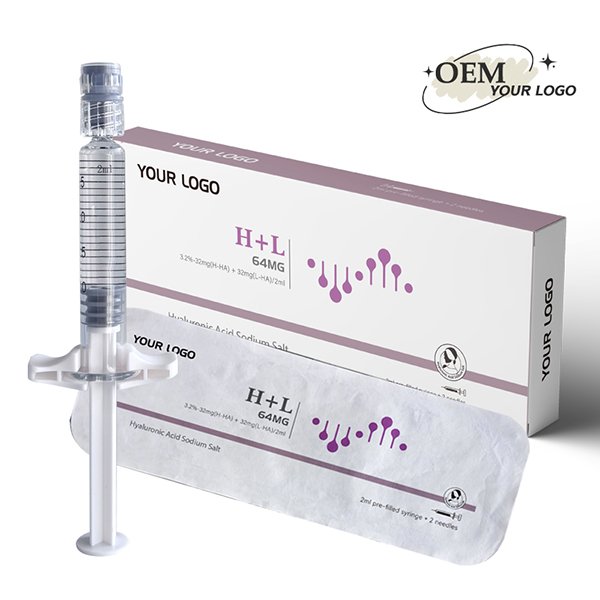
اسید هیالورونیک (HA) fillers have revolutionized the non-surgical cosmetic industry, offering millions a path to facial rejuvenation without going under the knife. But what exactly is this substance we’re injecting? هیالورونیک اسید یک مولکول قندی است که به طور طبیعی در پوست ما یافت می شود, مفاصل, و چشم ها, شهرت به دلیل ظرفیت باورنکردنی خود در اتصال و نگهداری آب - تا 1,000 برابر وزن آن. This innate biocompatibility is what makes HA fillers so popular and safe; they work با your body, not against it.
The premise is elegantly simple: با افزایش سن, تولید طبیعی اسید هیالورونیک ما کند می شود, منجر به کاهش حجم می شود, drier skin, و ایجاد چین و چروک و چین و چروک. HA fillers act as a replenishment, strategically restoring volume, smoothing lines, and enhancing contours. Their versatility is unmatched—from plumping thinning lips and softening nasolabial folds (خطوط لبخند) to lifting cheekbones, refining the jawline, and even improving the appearance of under-eye hollows. به گفته انجمن جراحان پلاستیک آمریکا’ 2023 گزارش دهید, soft tissue filler procedures, predominantly HA-based, remain one of the top five non-surgical cosmetic treatments, با بیش از 4.4 million performed annually in the U.S. به تنهایی. This widespread adoption is driven by the “lunchtime procedure” appeal: minimal downtime, immediate visible results, and a natural feel.
The Real “قبل و بعد”: Documented Transformations and Patient Outcomes
The true testament to HA fillers lies in the visual and experiential journeys of patients. It’s more than just erasing lines; it’s about restoring balance, confidence, and a refreshed version of oneself. Let’s break down the tangible results by common treatment areas.
For Lips: الف “قبل از” picture might show lips that have thinned with age or have an undefined shape. این “بعد از,” following expertly placed HA filler, reveals enhanced volume, improved symmetry, and a defined cupid’s bow. The result isn’t necessarily “بیش از حد”; modern techniques focus on a natural, pillowy softness that complements the patient’s overall facial structure.
For Cheeks and Mid-Face: Volume loss in the mid-face can lead to a tired, sagging appearance and accentuated lower facial folds. Strategic placement of HA filler along the cheekbones can provide a subtle lift, restoring youthful ovals and softening the nasolabial folds. The transformation often takes years off the face, not by changing its features, but by restoring its foundational support.
For Under-Eyes (غارهای اشک): Dark circles and hollows can be genetic or age-related. A small amount of precisely placed HA filler in the tear trough can smooth the transition from the lower eyelid to the cheek, diminishing the shadowed, often tired-looking appearance. The after-effect is one of looking well-rested and rejuvenated.
For Jawline and Chin: Defining the jawline and improving chin projection can dramatically enhance facial harmony. HA fillers can create a more contoured, sculpted jawline and balance a receding chin. The before-and-after contrast showcases a stronger, more defined profile.
The following table summarizes typical outcomes and longevity for popular treatment areas:
| منطقه درمان | Primary “قبل از” Concern | “بعد از” Result Key Benefit | طول عمر متوسط (بسته به محصول متفاوت است & متابولیسم) |
|---|---|---|---|
| لب | Thin volume, lack of definition | Enhanced fullness, improved shape, هیدراتاسیون | 6 به 12 ماه ها |
| چین های نازولبیال | Deep smile lines from nose to mouth | Softened lines, restored smoothness | 9 به 18 ماه ها |
| Cheeks/Mid-Face | Volume loss, مسطح کردن, sagging | Restored lift, improved contour, youthful support | 12 به 24 ماه ها |
| غارهای اشک | Dark hollows under eyes | Brighter, smoother under-eye area | 9 به 15 ماه ها |
| خط فک | Lack of definition, soft contour | Sharper, more sculpted profile | 18 به 24 ماه ها |
How Long Do Results Last? The Science Behind Durability and Maintenance
One of the most common questions is, “When will I need to do this again?” The answer isn’t universal, as the longevity of HA fillers is a dynamic interplay of science and individual biology. While the table provides general guidelines, several key factors determine how long your results will last:
-
مشخصات محصول: Not all HA fillers are the same. آنها در آنها تفاوت دارند پیوند متقابل technology (which stabilizes the HA gel) و اندازه ذرات. ضخیم تر, ژل های متقاطع بیشتر (like those used for cheeks or jawline) are designed for deep structural support and tend to last longer. Finer gels for lips or fine lines may be metabolized more quickly.
-
منطقه درمان: Highly dynamic areas with constant muscle movement, like the lips, break down filler faster than less mobile areas like the chin or cheekbones.
-
Individual Metabolic Rate: Your body’s unique speed of breaking down hyaluronic acid is a major factor. Lifestyle aspects like a high metabolic rate, intense physical activity, and even exposure to extreme heat (like frequent saunas) can accelerate the natural degradation process.
-
تکنیک تزریق & حجم: An experienced injector who places the right product in the correct tissue plane (deep vs. superficial) will achieve a result that looks natural and often lasts longer. Under-filling may require sooner touch-ups, while overfilling can look unnatural.
Maintenance is typically approached through touch-up sessions. Many patients schedule a follow-up 2-4 weeks after their initial treatment to assess the settled results and add a tiny amount more if desired. After that, a maintenance schedule of once every 12-18 months for most areas is common to preserve the optimal effect before the filler fully dissipates.
ایمنی, Choosing the Right Provider, and Managing Expectations
این “before and after” gallery is compelling, but a responsible discussion must prioritize safety and realistic goals. HA fillers are FDA-approved and generally safe, but they are medical procedures with potential side effects. Common temporary ones include redness, تورم, کبودی, and tenderness at the injection site. عوارض جدی تر, مانند انسداد عروق (blocking a blood vessel), are rare but underscore the critical importance of provider choice.
Your injector is your most important factor. Seek a board-certified dermatologist, جراح پلاستیک, or a highly trained and experienced nurse injector or physician assistant under direct supervision. A qualified professional will:
- Conduct a thorough facial analysis and medical history review.
- Discuss your aesthetic goals using “before and after” photos to ensure you’re aligned.
- Have an in-depth knowledge of facial anatomy to avoid vessels and place product safely.
- Use only FDA-approved, authentic products from reputable suppliers.
- Be prepared to manage any potential complications immediately.
Managing expectations is crucial. Fillers are fantastic for adding volume and smoothing lines, but they cannot replicate the dramatic skin-tightening effects of a surgical facelift. The goal should be افزایش, نه تغییر. The best results are those where you look like yourself, simply refreshed and rejuvenated. A trustworthy provider will tell you what fillers can’t do and might recommend combining them with other treatments (like neuromodulators—e.g., Botox—or skin resurfacing lasers) for a comprehensive rejuvenation plan.
کیو حرفه ای&الف: به سوالات پرکننده اسید هیالورونیک شما پاسخ داده شد
Q1: I’ve heard fillers can migrate or cause a “صورت بالشی” در طول زمان. Is this true with HA fillers?
الف: When performed correctly by a skilled injector using appropriate products, modern HA fillers have a very low risk of migration. They are designed to integrate into the tissue and stay in place. “Pillow face”—an overfilled, puffy appearance—is typically the result of poor technique or excessive volume, not the filler itself moving. Choosing a conservative, experienced injector who prioritizes facial harmony over extreme volume is the best prevention.
Q2: Is there any way to dissolve HA fillers if I don’t like the results?
الف: بله, this is one of the key safety advantages of HA fillers. آنزیمی به نام هیالورونیداز می توان برای حل سریع فیلر اسید هیالورونیک تزریق کرد. It’s used to correct over-treatment, عدم تقارن, or in the rare event of a vascular complication. This reversibility provides a significant peace of mind that is not available with many other permanent or semi-permanent implants.
Q3: What is the latest innovation in HA filler technology that I should ask my provider about?
الف: The field is constantly evolving. One of the most significant recent trends is the development of ماتریس چند متراکم منسجم (CPM) technology and fillers designed with varying elasticity (جی) و ویسکوزیته. These advanced gels allow for more tailored treatments—softer, more flexible gels for natural lip movement and more robust, firmer gels for structural lifting in the cheeks. Ask your provider about which specific product they recommend for your concern and why, based on its physical properties.
Q4: Are the results from fillers immediate? What does the “filler journey” look like in the first few weeks?
الف: نتایج بلافاصله قابل مشاهده است, but the final settled result is seen after 2-4 هفته ها. Here’s the typical journey:
- Day 1-3: Immediate improvement, but with expected swelling and potential bruising. You may look a bit “انجام شد” or overfilled initially.
- هفته 1-2: تورم و کبودی به میزان قابل توجهی کاهش می یابد. The filler integrates with your tissue and begins to soften.
- هفته 2-4: Final result emerges. Any minor asymmetries can be assessed, and a subtle touch-up can be performed if necessary. This is when the natural, “شما اما تازه شده” look is fully realized.