
En los últimos años, ácido hialurónico (JA) Los rellenos se han convertido en uno de los tratamientos cosméticos mínimamente invasivos más populares a nivel mundial.. Desde suavizar las arrugas hasta realzar los labios y restaurar el volumen facial, Estos tratamientos ofrecen resultados notables con poco tiempo de inactividad.. Todavía, a pesar de su uso generalizado y su trayectoria comprobada, Una nube de preguntas e inquietudes aún persiste en la mente de muchos que están considerando el procedimiento.. Los titulares sobre complicaciones raras y los mitos de las redes sociales pueden fácilmente alimentar la ansiedad. Entonces, Es crucial separar la realidad de la ficción.. Este artículo profundiza en la ciencia., datos de seguridad, y aplicación en el mundo real de rellenos de HA para abordar los temores comunes y proporcionar una respuesta clara, perspectiva basada en evidencia.
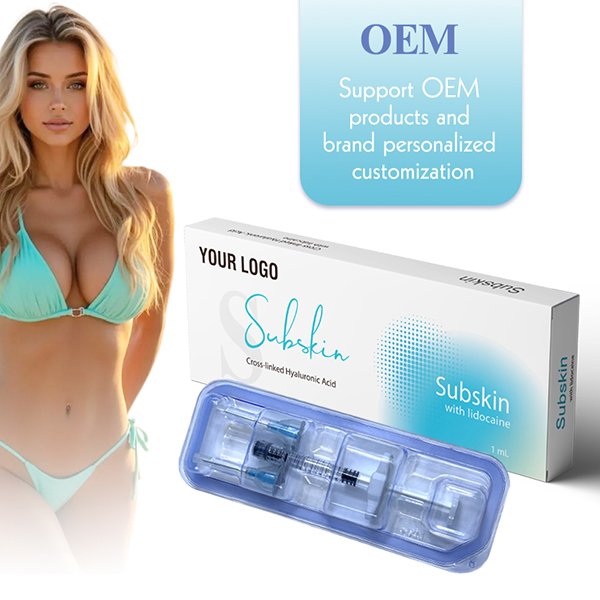
Comprender los rellenos de ácido hialurónico: Qué son y cómo funcionan
El ácido hialurónico es una sustancia que se encuentra naturalmente en todo el cuerpo., particularmente en tu piel, ojos, y tejidos conectivos. Su función principal es retener agua., mantener sus tejidos bien lubricados e hidratados. Piensa en ello como algo natural., esponja superabsorbente que retiene la humedad, dando a la piel su tersura y elasticidad. A medida que envejecemos, La producción natural de HA de nuestro cuerpo disminuye., lo que lleva a la pérdida de volumen, sequedad, y la formación de arrugas y pliegues..
Los rellenos cosméticos de HA son sustancias similares a gel formuladas en un laboratorio.. No se derivan de animales. (la mayoría se biosintetizan mediante fermentación bacteriana), haciéndolos biocompatibles y reduciendo el riesgo de alergia. El HA utilizado en los rellenos está químicamente reticulado., lo que significa que sus moléculas están unidas para crear una estructura más duradera que resiste ser descompuesta por el cuerpo demasiado rápido.. Esto permite que el relleno proporcione volumen y estructura para típicamente 6 a 18 meses, dependiendo del producto y zona tratada.
Cuando lo inyecta un profesional capacitado, el gel se integra en la arquitectura de la piel, levantando y apoyando las arrugas (como pliegues nasolabiales), definiendo el borde del labio, o restaurar el volumen perdido en las mejillas. Una característica de seguridad importante de los rellenos de HA es su reversibilidad. Se puede inyectar una enzima llamada hialuronidasa para disolver rápidamente el relleno si un paciente no está satisfecho con el resultado o si ocurre una complicación rara.. Este “red de seguridad” es exclusivo de los rellenos HA y es la piedra angular de su excelente perfil de seguridad.
Dirigiéndose a la cima 5 Preocupaciones y mitos comunes
Afrontemos directamente las preocupaciones más frecuentes que tiene la gente sobre la seguridad del relleno HA.
1. Mito: “Los rellenos me harán parecer falsa o "exagerada".”
Este es quizás el miedo más generalizado. El resultado depende casi por completo de la habilidad y el arte del inyector.. Un profesional calificado entiende la anatomía y estética facial., buscando una mejora de apariencia natural que complemente sus características únicas. El “sobrellenado” La apariencia a menudo es el resultado de una mala técnica., Usar el producto incorrecto para el área., o simplemente demasiado producto. La seguridad y la satisfacción están ligadas a la elección de un experto., no el producto en si.
2. Mito: “El relleno migrará o se desplazará por mi cara.”
El relleno de HA inyectado correctamente forma un gel cohesivo que se integra en el tejido.. no lo hace “viajar” a través del cuerpo. Lo que a veces puede pasar es que un producto se coloque de forma incorrecta o demasiado superficial., que puede volverse visible con los movimientos faciales. La verdadera migración de la masa del producto es extremadamente rara con los modernos., rellenos bien colocados. El uso de técnicas y productos adecuados diseñados para áreas específicas minimiza este riesgo..
3. Mito: “Los rellenos de HA son tóxicos y permanecerán en mi cuerpo para siempre.”
Como se señaló, HA es un azúcar natural. El gel de relleno es biodegradable y su cuerpo lo metaboliza de forma gradual y natural con el tiempo.. No contiene toxinas. Es por esto que los tratamientos no son permanentes y requieren retoques para mantener el efecto.. El proceso de descomposición natural del cuerpo es una parte clave de la seguridad del relleno..
4. Mito: “Los rellenos están peligrosamente cerca de los ojos/vasos sanguíneos.”
Esta preocupación toca un riesgo real pero manejable.. Complicaciones vasculares, donde el relleno se inyecta inadvertidamente en un vaso sanguíneo, son raros pero serios. Pueden provocar necrosis tisular. (pérdida de suministro de sangre) o, en casos extremadamente raros, ceguera. Este riesgo subraya por qué la elección del proveedor es el factor de seguridad más crítico.. Un inyector de nivel maestro tiene un profundo, comprensión tridimensional de la anatomía facial, conoce las zonas de alto riesgo, utiliza cánulas o agujas adecuadas, y emplea técnicas para minimizar este riesgo.. En manos de un profesional médico altamente capacitado., el procedimiento es muy seguro.
5. Mito: “El uso prolongado estirará la piel y hará que luzca peor.”
No hay evidencia de que los rellenos de HA estiren permanentemente la piel.. Porque el relleno se absorbe., la piel vuelve a su estado inicial. Si la pérdida de volumen continúa con el envejecimiento, puedes percibir un “desinflado” mira cuando el relleno desaparece, comparándolo con tu apariencia mejorada, no a tu original, estado previo al tratamiento. Coherente, el uso moderado no daña la elasticidad de la piel.
Los pilares de la seguridad: Cómo garantizar un resultado positivo
La seguridad no es un accidente; es el resultado de elecciones y protocolos deliberados.
- Elija el proveedor adecuado: Esto no puede ser exagerado. Busque una licencia, profesional médico certificado especializado en estética facial, como un dermatólogo o cirujano plástico. Su formación médica en anatomía., fisiología, y el manejo de las complicaciones es irremplazable. Evite entornos no médicos como spas o fiestas..
- Tener una consulta exhaustiva: Una buena consulta implica discutir tus objetivos., historial medico, y cualquier medicamento/suplemento (como anticoagulantes) eso podría aumentar los hematomas. Su proveedor debe examinar su cara., recomendar un plan personalizado, explicar los riesgos potenciales, y establecer expectativas realistas.
- Utilice únicamente productos aprobados por la FDA: Asegúrese de que su proveedor utilice rellenos de empresas acreditadas (como Juvéderm, Restylane, o Belotero) que estén aprobados por la FDA o el organismo regulador de su país. Esto garantiza que el producto cumple con estrictos estándares de seguridad., pureza, y calidad. Evite la falsificación o “mercado negro” rellenos.
- Siga las instrucciones de cuidados posteriores: Un cuidado posterior adecuado reduce los efectos secundarios. Por lo general, esto incluye evitar el ejercicio extenuante., calor excesivo (saunas), y alcohol para 24-48 horas, no tocar/masajear el área a menos que se le indique, y usar árnica para los moretones.
Reconocer y gestionar riesgos potenciales & Efectos secundarios
Si bien las complicaciones graves son poco comunes, es importante estar informado. Común, Los efectos secundarios temporales incluyen enrojecimiento., hinchazón, moretones, ternura, y picazón en los lugares de inyección. Por lo general, se resuelven en unos pocos días o una semana..
Complicaciones más importantes, aunque raro, requieren reconocimiento y gestión rápidos por parte de su proveedor:
| Complicación | Descripción | Incidencia (Aproximado) | Manejo típico |
|---|---|---|---|
| Bultos/Nódulos | Pequeño, protuberancias palpables debajo de la piel. | 1-5% | A menudo se resuelven por sí solos.; Se puede masajear o disolver con hialuronidasa.. |
| Asimetría | Apariencia desigual después del tratamiento.. | Varía | A menudo se puede corregir con una cita de retoque menor.. |
| Infección | Introducción bacteriana en el lugar de la inyección.. | <1% | Tratado con antibióticos; una técnica estéril estricta previene esto. |
| Oclusión vascular | El relleno bloquea un vaso sanguíneo. | muy raro (0.001% a 0.08%) | EMERGENCIA MÉDICA. Requiere tratamiento inmediato con hialuronidasa y otras medidas para restablecer el flujo sanguíneo.. |
| Nódulos de aparición tardía | Protuberancias inflamatorias que aparecen meses después.. | Extraño | Puede tratarse con esteroides., antibióticos, o hialuronidasa. |
| Reacción alérgica | Hipersensibilidad a los componentes.. | Extremadamente raro con modernos rellenos de HA. | Manejado con antihistamínicos o esteroides.; hialuronidasa para eliminar el relleno. |
Datos sintetizados a partir de estudios recientes en revistas como Revista de Cirugía Estética y Cirugía Plástica y Reconstructiva (2021-2023). Las tasas de incidencia son estimaciones y pueden variar según el producto., área tratada, y experiencia en inyectores.
La conclusión es que la gran mayoría de los eventos adversos son leves., temporario, y tratable, especialmente con un proveedor calificado que pueda gestionarlos.
El veredicto: Una herramienta segura y eficaz cuando se utiliza de forma responsable
El conjunto de pruebas es claro.: Los rellenos de ácido hialurónico son una opción segura y eficaz para el rejuvenecimiento facial no quirúrgico cuando los administra un profesional de la salud calificado.. Su biocompatibilidad, reversibilidad, y su perfil de degradación predecible los convierten en la piedra angular de la medicina estética..
La conversación sobre seguridad debe pasar del miedo al producto en sí a un énfasis en selección de proveedor, educación, y expectativas realistas. Los riesgos están abrumadoramente relacionados con una técnica inadecuada y con inyectores no cualificados., no a la propia molécula de HA.
El futuro de la seguridad del llenado parece aún más brillante, con avances continuos en la tecnología de productos (geles más cohesivos, anestésicos integrados), Herramientas de inyección mejoradas, como cánulas de punta roma, que pueden reducir el riesgo vascular., y protocolos de formación mejorados para los profesionales.
Q profesional&A: Tus preguntas principales respondidas
Q1: ¿Cuánto duran realmente los rellenos de HA?, y que factores influyen en esto?
A: Aunque a menudo se comercializa con plazos específicos, la longevidad es altamente individual. Rellenos más gruesos en zonas con menos movimiento. (mejillas) puede durar 12-24 meses. Rellenos en zonas de alto movimiento. (labios) puede durar 6-12 meses. Tu tasa metabólica, estilo de vida (exposición al sol, de fumar), y el producto específico utilizado son factores clave. Un metabolismo más rápido puede descomponer el relleno más rápidamente.
Q2: he oído hablar de “fatiga del relleno.” ¿Es real?, y debería preocuparme?
A: “Fatiga del relleno” no es un término médico sino coloquial. A veces se refiere a la necesidad percibida de agregar más relleno con el tiempo para lograr el mismo efecto., que puede deberse al envejecimiento continuo o cambios en la elasticidad del tejido. Más en serio, puede referirse a crónico, hinchazón de bajo grado o cambios de textura debido a tratamientos repetidos. Esto subraya la importancia de una “menos es más” Filosofía y trabajo con un proveedor que prioriza el equilibrio y la salud facial sobre el volumen máximo..
Q3: ¿Cuál es la diferencia entre relleno y Botox?, y cual es mas seguro?
A: Tratan diferentes temas. Los rellenos de HA son para agregando volumen y suavizar las arrugas estáticas (visible en reposo). bótox (una neurotoxina) relaja los músculos para tratar las arrugas dinámicas (de movimiento repetido, como líneas de expresión). Ambos tienen excelentes perfiles de seguridad cuando se administran correctamente.. Sus riesgos difieren: Los riesgos del relleno son en gran medida anatómicos. (vascular), mientras que los riesgos del Botox se relacionan con la debilidad muscular (p.ej., párpado caído) si se difunde. El “seguridad” depende del problema a tratar.
Q4: ¿Existen nuevas tecnologías o tipos de relleno que se consideren más seguros??
A: La tendencia es hacia tratamientos más personalizados y precisos.. Se están diseñando rellenos de HA más nuevos para una mayor cohesividad (permanecer en el lugar) y integración con pañuelo, potencialmente mejorando la seguridad y la longevidad. el uso de guía ecográfica está creciendo entre los inyectores expertos, permitiéndoles visualizar la ubicación de la aguja y la anatomía en tiempo real, que puede mejorar la precisión y la seguridad, particularmente en áreas complejas. Pregunte siempre a su proveedor sobre la tecnología y técnicas que utiliza para maximizar la seguridad..