
مخطط الحشو الجلدي العالمي: دليل قواعد اللعبة المبني على البيانات لقادة سوق B2B
الدليل النهائي للحشو الجلدي
حقائق السوق والأرقام الأولية: ال 2024 حشو المناظر الطبيعية
سوق الحشو الجلدي العالمي لا ينمو فقط, إنه يسرع التوقعات الأولية الماضية. ننسى التوقعات العامة. يظهر التتبع الحالي السوق, بقيمة دولار أمريكي 6.8 مليار في 2023, في طريقه لتجاوز الدولار 10.2 مليار بواسطة 2028, مع دفع معدل نمو سنوي مركب 8.5%. السائق ليس فقط الحجم, انها التميز. أمريكا الشمالية تتصدر الإيرادات, ولكن منطقة آسيا والمحيط الهادئ, وخاصة كوريا الجنوبية, اليابان, وتوسيع أسواق جنوب شرق آسيا, يسجل أعلى معدلات النمو, فوق 11% سنويا. بالنسبة لك كموزع, هذا يشير إلى التحول. يجب أن يتطور المخزون. حمض الهيالورونيك (ها) تظل الحشوات هي الأساس, السيطرة 80% من شريحة المنتج, لكن الطلب منقسم. الطلب الآن هو للـ HAs المتخصصة: عالية G’ لتحديد خطوط الفك وعظام الخد, منخفض G’ لترطيب الشفاه بشكل سلس, واليدوكائين المتكامل لبروتوكولات إدارة الألم. ال “حشو واحد يناسب الجميع” نموذج الموزع هو المسؤولية. يتطلب النجاح محفظة منسقة تتوافق مع هذا الطلب السريري القائم على الدقة.
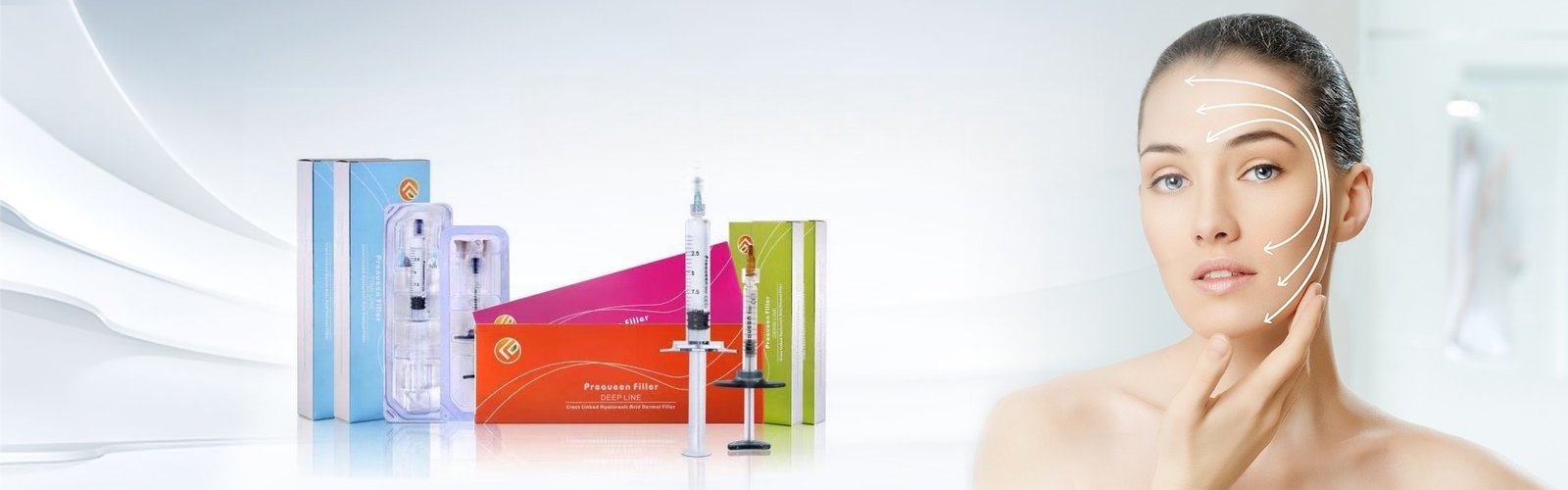
ما وراء الحقنة: سباق التسلح للتكنولوجيا والامتثال
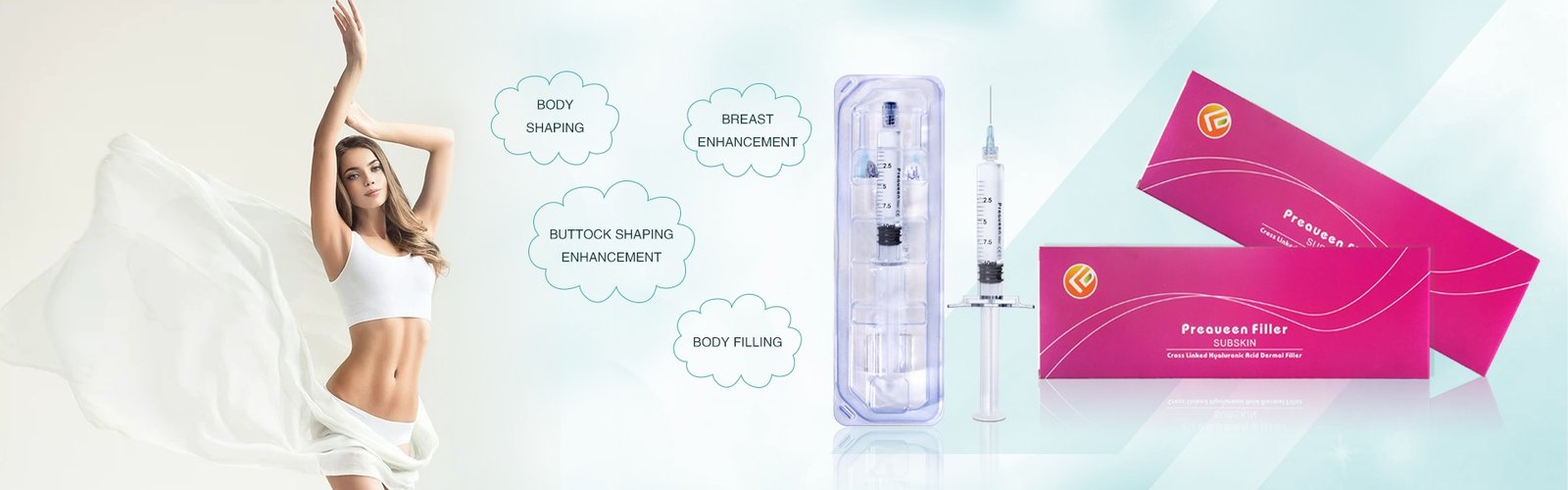
لم تعد قرارات الشراء للمشترين في مجال B2B تتعلق فقط بالتكلفة لكل مليلتر. إنها تدور حول ما يلتف حول الجل. أولاً, الامتثال هو تذكرتك غير القابلة للتفاوض للعبة. للتصدير, وهذا يعني علامة CE (مقاومة للأدوية المتعددة), موافقات إدارة الغذاء والدواء الأمريكية, وزيادة الطلب على KFDA, كفدا, وغيرها من الشهادات الإقليمية. الأوراق هي الأساس. الفرق الحقيقي يكمن في تكنولوجيا التصنيع. تتجه المصانع الرائدة إلى ما هو أبعد من الربط المتقاطع القياسي. إنهم يستخدمون تقنيات خاصة مثل تقنية Optimal Balance Technology أو NASHA لإنشاء مصفوفات توفر مدة أطول - مع عرض البيانات 12-18 أشهر للعديد من المنتجات - مع الحفاظ على مرونة استثنائية وتورم منخفض. وهذا يترجم إلى مضاعفات أقل للمرضى وولاء أعلى للممارسين. أصبح التغليف الذكي قياسيًا الآن. إبر فائقة الدقة (30ز+), محاقن منخفضة المساحة الميتة تحافظ على كل قطرة من المنتج, ومشفرة QR, العبوات المضادة للتلاعب من أجل التتبع الكامل ليست إضافات; هم ما العيادات في برلين, دبي, ولوس أنجلوس تتوقع. يجب أن تتحقق سلسلة التوريد الخاصة بك من وجود هذه المواصفات قبل تحميل الحاوية.
استراتيجية المحفظة: بناء الترسانة التجارية الخاصة بك للعيادات
فكر مثل مالك العيادة. لا يحتاجون إلى منتج, إنهم بحاجة إلى حلول لشكاوى محددة من المرضى. يجب أن تعكس محفظتك هذا. وإليك كيفية تنظيمها:
| طبقة المنتج | تطبيق الهدف | الفروق الرئيسية | الملف الشخصي للعميل |
|---|---|---|---|
| خط الأساس | حجم كبير, التصحيح الأساسي (الطيات الأنفية الشفوية, خطوط الدمى المتحركة) | أسعار تنافسية, توازن لزوجة ممتاز, طول العمر موثوق (9-12 شهور) | عيادات جديدة, سلاسل جمالية كبيرة الحجم, الأسواق الحساسة للتكلفة |
| خط المصمم | تحديد الخطوط الدقيقة & النحت (الخدين, الفك, ذقن) | عالية جي’ (معامل مرن), تماسك عالي, مصبوب للدعم الهيكلي | عيادات جلدية متميزة, مراكز الجراحة التجميلية, المدربين الرئيسيين |
| الهجين/الخط المتخصص | الثورة الحيوية & العلاجات المركبة (مقويات البشرة, الحشو التحفيزي الحيوي) | HA مدمج مع مكونات ميكرون, خصائص تحفيز الكولاجين | منتجعات طبية متقدمة, الممارسات الجمالية التكاملية |
يتيح لك هذا النهج المتدرج مقابلة المشترين ذوي النقاط السعرية مع الحصول على هامش مرتفع, الأعمال المتميزة. كما أنه يثبت مخزونك في المستقبل. ال “مقوي البشرة” فئة, على سبيل المثال, يشهد نموًا هائلاً مع تحرك الممارسين نحو الشمولية “إعادة البناء الحيوي” العلاجات.
الفوز في لعبة التوزيع: اللوجستية, يدعم, والشراكة
يعد توصيل المنتج إلى المستودع هو الخطوة الأولى. المعركة الحقيقية هي ضمان وصولها إلى يدي الممارس بشكل فعال. تعتبر الخدمات اللوجستية التي يتم التحكم في درجة حرارتها إلزامية للحفاظ على سلامة الحشو. والأهم من ذلك, تكمن قيمتك كمورد في نظام الدعم البيئي. هل يمكنك توفير IFU متعدد اللغات (تعليمات الاستخدام)? هل لديك مكتبة فيديوهات لتقنيات الحقن السريرية؟? هل يمكنك إتاحة الوصول إلى ورش العمل التدريبية أو جلسات الندوات عبر الإنترنت مع كبار الأطباء لعملاء الموزع الخاص بك؟? يحول هذا الدعم المعاملة إلى شراكة. بالإضافة إلى, خفة الحركة هي المفتاح. السوق يشهد ارتفاعا “الوفاء الجزئي” النماذج - أصغر, المزيد من الطلبات المتكررة لمساعدة الموزعين على إدارة التدفق النقدي وتقليل مخاطر المخزون. تقديم موك مرنة وموثوقة, الشحن في الوقت المناسب من المراكز ذات الموقع الاستراتيجي (على سبيل المثال, في الاتحاد الأوروبي, الإمارات العربية المتحدة, أو الولايات المتحدة الأمريكية) هي ميزة تنافسية كبيرة.
الأسئلة المتداولة (التعليمات) لشركاء حشو الجلد B2B
س1: مع الكثير من الشركات المصنعة, كيف يمكننا التحقق من الجودة الحقيقية والامتثال?
أ: المطالبة بالشفافية. طلب تقارير التدقيق الكاملة من الجهات المقبولة (ل CE MDR), شهادات التحليل التفصيلية (لجنة الزراعة) لكل دفعة, والوصول إلى نظام التيقظ الدوائي الخاص بالشركة المصنعة. سيكون هذا متاحًا بسهولة في مصنع حسن السمعة. اختبارات معملية لطرف ثالث على ريولوجيا الحشو (ز, التماسك) يعد أيضًا مؤشرًا قويًا للاستثمار في R&د.
Q2: ما مدى أهمية التحول نحو استخدام الحشوات للقنية؟, وينبغي أن تعكس محفظتنا هذا?
أ: إنها مهيمنة في العديد من الأسواق الغربية. تقلل القنيات من الكدمات ومخاطر الأوعية الدموية. تأكد من الموافقة بشكل صريح على منتجاتك الأساسية واختبارها لتوصيل الإبرة والقنية (عادة قنية 27G). يجب تحسين قوة قذف المنتج من أجل تدفق سلس للقنية. هذا سؤال فني رئيسي لموردك.
س3: ما هي اتجاهات المكونات الناشئة خارج حمض الهيالورونيك؟?
أ: الحدود في المنشطات الحيوية. ابحث عن البوليكابرولاكتون (PCL) وهيدروكسيلاباتيت الكالسيوم (كاها) تكتسب الحشوات قوة جذب متجددة لتحفيز الكولاجين. تتضمن الموجة التالية PLLA (حمض بولي-L-لاكتيك) في جاهزة للاستخدام, تركيبات سابقة الخلط. تتضمن محفظة التفكير المستقبلي خيارًا واحدًا على الأقل للتحفيز الحيوي.
س 4: كيف يمكننا التنقل بين المتطلبات التنظيمية المختلفة في بلدان متعددة؟?
أ: كن شريكًا مع شركة مصنعة تتمتع بتاريخ حافل بالتسجيلات الناجحة في الأسواق المتعددة. يجب عليهم إدارة الملف الفني الأساسي ودعمك بالوثائق الخاصة بكل بلد (على سبيل المثال, تراخيص الاستيراد, متطلبات وضع العلامات باللغة المحلية). هذه هي الخدمة الأساسية, ليس اضافية.