
مقدمة: فن وعلم تجميل الأنف غير الجراحي
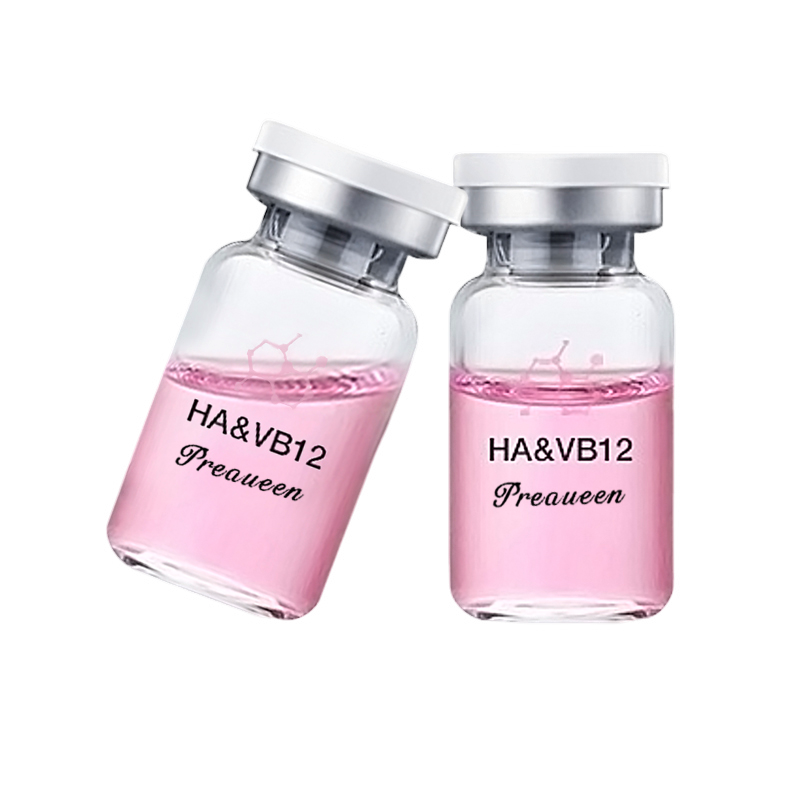
لعقود من الزمن, واجه الأفراد الذين يسعون إلى تحسين مظهرهم الأنفي اقتراحًا شاقًا: عملية تجميل الأنف الجراحية مع المخاطر المرتبطة بها, فترة توقف طويلة, ودائمة, في كثير من الأحيان لا يمكن التنبؤ بها, نتائج. اليوم, هناك نقلة نوعية جارية, مدعومًا بالتقدم في الطب التجميلي الأقل بضعاً. تعزيز وتحديد طرف الأنف باستخدام حمض الهيالورونيك (ها) لقد ظهرت مواد الحشو باعتبارها طريقة متطورة, الإجراء المطلوب - غالبًا ما يسمى أ “تجميل الأنف السائل” أو “عملية تجميل الأنف غير الجراحية.” توفر هذه التقنية بديلاً مقنعًا للمرشحين المناسبين, التركيز على تحديد الخطوط الدقيقة, زيادة خفية, وتحديد أنيق لطرف الأنف بدون شق واحد.
يتعمق هذا الدليل الشامل في تعقيدات استخدام حشوات HA لتحسين طرف الأنف. سوف نستكشف الاعتبارات التشريحية, خصائص الحشو المثالي, تقنية الحقن, بروتوكولات السلامة, وتوقعات نتائج واقعية. مدعومة بالبيانات الحالية ورؤى الخبراء, تعد هذه المقالة بمثابة مورد نهائي لأي شخص يفكر في هذا الحل الجمالي الحديث.
الأسس التشريحية واختيار المريض: من هو المرشح المثالي?
يبدأ تحسين طرف الأنف الناجح بفهم عميق لتشريح الأنف واختيار المريض بعناية. طرف الأنف عبارة عن هيكل معقد ثلاثي الأبعاد يتكون من الغضاريف الجانبية السفلية, الأنسجة الرخوة, والجلد. الأهداف الأساسية لتعزيز الطرف هي تحسين الإسقاط (جلب الحافة إلى الأمام), صقل التعريف (خلق كفاف طرف أكثر وضوحا), رفع طرف تدلى, أو تنعيم المطبات البسيطة في المنطقة فوق الطرف.
المرشحين المثاليين:
- المرضى الذين يعانون من مخاوف خفيفة إلى معتدلة: عدم الإسقاط, تدلى طفيف, أو عدم التماثل الدقيق.
- الأفراد الذين يسعون إلى تمويه سنام صغير عن طريق إنشاء خط ظهري أكثر استقامة من الجذر إلى الحافة.
- أولئك الذين يريدون تحسين الطرف الصندوقي أو المنتفخ عن طريق إضافة تعريف استراتيجي.
- المرضى يبحثون عن فترة نقاهة منخفضة, بديل غير دائم للجراحة.
- الأفراد الذين يتمتعون بجودة بشرة جيدة وتوقعات واقعية.
المرشحين الفقراء:
- المرضى الذين يسعون إلى تقليل حجم طرف الأنف بشكل كبير أو تغيير شكل الأنف.
- أولئك الذين يعانون من عدم تناسق شديد في الأنف أو مشاكل هيكلية كبيرة تتطلب تطعيم الغضاريف.
- الأفراد الذين يعانون من نحافة شديدة, ضيق الجلد على الأنف, كما قد يكون الحشو أكثر وضوحا.
- المرضى الذين لديهم تاريخ من الندبات الضخامية أو الجدرة.
- أي شخص مصاب بعدوى نشطة أو اضطراب تشوه الجسم غير المعالج.
استشارة شاملة مع أخصائي طبي مدرب تدريباً عالياً وذوي خبرة (طبيب أمراض جلدية أو جراح تجميل معتمد من البورد) غير قابل للتفاوض. وهذا يشمل تحليل الوجه, مناقشة الأهداف, مراجعة التاريخ الطبي, وشرح واضح لقيود الإجراء ومخاطره.
ميزة حمض الهيالورونيك: اختيار الحشو المناسب
لا يتم إنشاء جميع مواد الحشو HA على قدم المساواة, خاصة بالنسبة للأنف، وهو أمر شديد الخطورة, منطقة عالية الدقة. يجب أن يمتلك الحشو المثالي خصائص ريولوجية محددة (جي برايم, اللزوجة, مرونة) لضمان السلامة, دقة, وطول العمر.
الخصائص الرئيسية لحشو طرف الأنف الأمثل:
- تماسك عالي وG-prime عالي: يشير هذا إلى صلابة الحشو أو قدرته على مقاومة التشوه تحت الضغط. تعتبر حشوة G-prime العالية ضرورية لتوفير الدعم الهيكلي والحفاظ على البروز في الطرف دون الانتشار في الأنسجة المحيطة.
- الدقة والقدرة على التحمل: بينما حازم, يجب أن يسمح المنتج للحاقن بتشكيله وتشكيله أثناء العملية للحصول على سلاسة, ملامح طبيعية.
- حساسية الهيالورونيداز: ميزة السلامة الهامة. Hyaluronidase هو إنزيم يمكنه إذابة حشو HA بسرعة في حالة حدوث مضاعفات الأوعية الدموية أو نتيجة غير مرضية. يعد استخدام مادة حشو قابلة للذوبان بشكل موثوق من متطلبات السلامة الأساسية لإجراءات الأنف.
تشمل الحشوات الشائعة التي يستخدمها الخبراء لعلاج أطراف الأنف Juvéderm Volux®, ريستالين ليفت®, وتركيبات معينة من Teosyal RHA. تم تصميمها خصيصًا للتكبير الهيكلي العميق وتحديد الخطوط.
نظرة عامة مقارنة للحشوات المناسبة لتحسين الأنف:
| ماركة حشو (مثال) | منطقة الإشارة الرئيسية | جي برايم | التماسك | الميزة الرئيسية للأنف |
|---|---|---|---|---|
| جوفيديرم فولوكس® | أنسجة الوجه العميقة, ذقن & فك | عالية جدًا | عالية جدًا | مصممة للهيكل; الأمثل للإسقاط. |
| ريستالين ليفت® | الخدين, منتصف الوجه, الأيدي | عالي | عالي | سجل حافل للرفع والدعم. |
| تيوسيال RHA® 4 | التجاعيد العميقة, ملامح الوجه | عالي | عالي | مقاومة عالية للحركة الديناميكية. |
| بيلوتيرو بالانس® | خطوط سطحية, حول الفم | منخفض-متوسط | قليل | غير مناسب لطرف الأنف. خطر تأثير تيندال. |
البيانات المجمعة من الدراسات الريولوجية للشركة المصنعة و 2023-2024 منشورات إجماع الخبراء.
إتقان هذه التقنية: بروتوكول, أمان, وتجنب المضاعفات
تقنية الحقن هي المكان الذي تلتقي فيه الفن بالعلوم الطبية. عادة ما يتم تنفيذ الإجراء داخل المكتب 30-60 دقائق. يتم تطبيق مخدر موضعي, ويستخدم العديد من خبراء الحقن أيضًا كتل الأعصاب المحلية لتوفير الراحة الكاملة للمريض.
بروتوكول الإجراءات القياسية:
- وضع العلامات & تخطيط: يقوم الطبيب بتحديد نقاط الحقن الدقيقة والتغييرات المرغوبة أثناء جلوس المريض في وضع مستقيم.
- العقامة: يتم تنظيف الأنف والمنطقة المحيطة به جيدًا بمحلول مطهر.
- حقن: باستخدام الكانيولا (حادة, أنبوب مرن) أو إبرة رفيعة جداً, يتم ترسيب كميات صغيرة من الحشو في المستوى العميق فوق السمحاق (فوق العظم/الغضروف). للحصول على معلومات سرية, يتم وضع الحقن بشكل استراتيجي للمشروع, يدعم, وتحديد.
- صب: مباشرة بعد الحقن, يقوم الطبيب بتدليك الحشو بلطف وتشكيله لتحقيق الشكل المطلوب وضمان التكامل السلس.
- تقدير: يتم إعطاء المريض مرآة لمراجعة النتيجة الأولية أثناء الجلوس في وضع مستقيم.
أهمية قصوى: سلامة الأوعية الدموية
يعد الأنف منطقة شديدة الخطورة لمضاعفات الأوعية الدموية بسبب إمداد الدم المعقد. الخطر الأكبر هو الحقن داخل الأوعية الدموية, والتي يمكن أن تؤدي إلى نخر الجلد (موت الأنسجة) أو, في حالات نادرة للغاية, العمى إذا دخل الحشو إلى شريان الشبكية.
- استراتيجيات الوقاية: وتشمل هذه استخدام قنية (والتي تميل إلى دفع الأوعية جانبًا بدلاً من اختراقها), الشفط قبل الحقن, التنسيب العميق للمنتج, ومعرفة تشريحية عميقة. يتم استخدام أدوات التصور في الوقت الحقيقي مثل الموجات فوق الصوتية دوبلر بشكل متزايد من قبل كبار الممارسين لرسم خريطة للأوعية الدموية قبل الحقن.
- بروتوكول الطوارئ: يجب أن يكون لدى كل عيادة مجموعة طوارئ الهيالورونيداز وبروتوكول واضح لإدارة انسداد الأوعية الدموية. الحل الفوري أمر بالغ الأهمية.
شائع, آثار جانبية أقل خطورة: تورم مؤقت, احمرار, كدمات, والألم طبيعي وعادةً ما يتم حله من الداخل 5-7 أيام.
نتائج, طول العمر, والتآزر مع العلاجات الأخرى
تظهر نتائج عملية تجميل الأنف السائلة على الفور, على الرغم من المباراة النهائية, يتم تقدير النتيجة المستقرة بعد ذلك 2-4 أسابيع بمجرد أن يهدأ التورم تمامًا. والنتيجة هي أكثر دقة, المتوقع, وطرف الأنف المتوازن الذي يتناغم مع باقي الوجه.
طول العمر: عادة, حشو HA في الأنف يدوم بين 12 ل 18 شهور, في بعض الأحيان أطول. يختلف التمثيل الغذائي بناءً على المنتج المستخدم, معدل الأيض لدى الفرد, وعوامل نمط الحياة.
العلاجات المركبة:
غالبًا ما يعمل تحسين الطرف غير الجراحي بشكل أفضل كجزء من نهج شامل لموازنة الوجه. تشمل العلاجات التآزرية الشائعة:
- حشو ظهر الأنف: لتنعيم الحدبة وإنشاء خط مستقيم.
- حشو إلى الجذر (أعلى الأنف): لرفع جذر منخفض وتحسين النسب.
- حشو الذقن أو الفك: لتحسين المظهر العام للوجه والتوازن.
- البوتوكس®: لمعالجة الطرف المتدلي الناتج عن فرط نشاط عضلة الحاجز الأنفي (العضلة التي تسحب طرفها للأسفل عند الابتسام).
تسمح هذه الإستراتيجية متعددة الوسائط للممارسين بتحقيق تناغم عالمي للوجه, غالبًا ما يجعل تحسين الأنف يبدو أكثر طبيعية وتأثيرًا.
الخبير س&أ: تمت الإجابة على أسئلتك المتعلقة بوظيفة الأنف غير الجراحية
س1: كم هو مؤلم هذا الإجراء, وما هو شكل التعافي حقًا؟?
معظم المرضى يبلغون عن الحد الأدنى من الانزعاج. التخدير الموضعي والمحلي يخدر المنطقة بشكل فعال. غالبًا ما يوصف هذا الإحساس بأنه ضغط طفيف. الانتعاش واضح ومباشر: يمكنك العودة إلى الأنشطة العادية على الفور, لكن توقع حدوث تورم معتدل وكدمات محتملة 3-7 أيام. يتم حل معظم التورم بدرجة كافية بحيث يكون غير واضح من الداخل 48 ساعات. ينصح المرضى بتجنب ممارسة التمارين الرياضية العنيفة, الحرارة الشديدة, والضغط على الأنف (مثل النظارات) ل 1-2 أسابيع.
Q2: هل صحيح أن حشو الأنف يمكن أن ينتشر أو يجعله يبدو أوسع مع مرور الوقت?
عندما يتم تنفيذها بشكل غير صحيح مع غير مناسبة, حشو منخفض G أو تم وضعه بشكل سطحي للغاية, هذه مخاطرة. لكن, عندما يستخدم خبير متماسك للغاية, يتم وضع حشوة عالية الجودة بعمق ودقة, يبقى المنتج في مكانه ولا ينتشر. تظهر الدراسات طويلة الأمد وخبرة الخبراء أنه باستخدام التقنية المناسبة, يتم الحفاظ على الشكل المكرر حتى يتم استقلاب الحشو بشكل طبيعي.
س3: هل يمكن لهذا الإجراء إصلاح الأنف الملتوي أو الطرف المنتفخ بشدة?
يمكن يحسن مظهر عدم تناسق معتدل عن طريق إضافة حجم لموازنة الصورة الظلية. لكن, لا يمكنه تقويم هيكل الأنف الملتوي بشكل كبير أو تقليل حجم الطرف المنتفخ بشكل كبير. للانتفاخ, يمكن استخدام الحشو لإضافة تعريف إلى نقاط تحديد الطرف, مما يجعل الطرف يبدو أكثر تنظيماً وأقل استدارة، ولكن يبقى عرض الغضروف الأساسي. تتطلب التشوهات الشديدة التدخل الجراحي.
س 4: ماذا يحدث إذا لم تعجبني النتيجة?
هذه هي الميزة الرئيسية لحشوات HA. إذا كنت غير راضٍ عن النتيجة, يمكن لمزودك حقن الهيالورونيداز لإذابة الحشو بالكامل, عادة داخل 24-48 ساعات, إعادة أنفك إلى حالته قبل العلاج. هذا “عكسية” يقدم شبكة أمان غير متوفرة مع الجراحة.
س5: كيف أختار مزودًا مؤهلاً؟? لا تعطي الأولوية للسعر.
هذا هو القرار الأكثر أهمية. ابحث عن محترف معتمد من مجلس الإدارة (في الأمراض الجلدية أو الجراحة التجميلية) مع واسعة النطاق, خبرة مثبتة في عمليات تجميل الأنف غير الجراحية. قم بمراجعة الصور قبل وبعد للمرضى الفعليين, خصيصا لعلاجات الأنف. أثناء التشاور, يجب عليهم قضاء بعض الوقت في تحليل التشريح الخاص بك, مناقشة المخاطر (وخاصة مضاعفات الأوعية الدموية), ووضع توقعات واقعية. يجب أن يكون لديهم أيضًا بروتوكول طوارئ واضح وإمكانية الوصول بسهولة إلى الهيالورونيداز.