
في مجال التحسينات الجمالية غير الجراحية, حمض الهيالورونيك (ها) أصبحت الحشوات الجلدية علاجًا أساسيًا. يتم تنفيذ الملايين من الإجراءات على مستوى العالم كل عام, تهدف إلى تنعيم التجاعيد, استعادة الحجم, وتعزيز ملامح الوجه. حتى الآن, مع شعبيتها الواسعة, سؤال حاسم لا يزال قائما: هل حشوات حمض الهيالورونيك آمنة حقًا؟? توفر هذه المقالة شاملة, التحليل الذي يقوده الخبراء, قطع المطالبات التسويقية لفحص العلم, بيانات, والخبرة السريرية في العالم الحقيقي وراء هذه العلاجات في كل مكان.
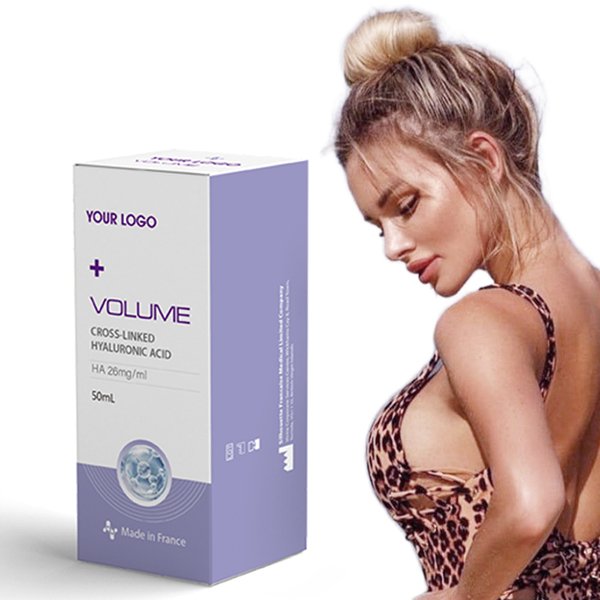
فهم حمض الهيالورونيك: مغناطيس الرطوبة الخاص بالجسم
لتقييم السلامة, يجب على المرء أولاً أن يفهم المادة المعنية. حمض الهيالورونيك ليس مادة كيميائية غريبة; إنه جليكوزامينوجليكان - جزيء سكر - تنتجه أجسامنا بشكل طبيعي. وهو مكون أساسي للبشرة, النسيج الضام, والعيون, تشتهر بقدرتها المذهلة على ربط المياه والاحتفاظ بها (ما يصل الى 1,000 أضعاف وزنه). هذه الوظيفة الطبيعية هي المفتاح لترطيب البشرة, مقدار, والمرونة.
يتم تصنيع HA المستخدم في الحشوات الجلدية عبر عملية التخمير الحيوي, خلق مادة متوافقة حيويا وغير مشتقة من الحيوان, القضاء عمليا على خطر الحساسية الحيوانية. بعد الحقن, تندمج هذه التركيبات الشبيهة بالهلام في الأنسجة, توفير الدعم الهيكلي الفوري. بشكل حاسم, هم أيضا عكسها; يمكن حقن إنزيم يسمى هيالورونيداز لإذابة الحشو إذا لزم الأمر, ميزة أمان مهمة لا تتم مشاركتها مع الحشوات الدائمة. متأخر , بعد فوات الوقت, يتم استقلاب المنتج بشكل طبيعي في الجسم, عادة ما تكون دائمة 6 ل 18 أشهر اعتمادا على صياغة المنتج وموقع الحقن.
الملف الشخصي للسلامة: بيانات, الآليات, والآثار الجانبية الشائعة
الجواب القصير من الأبحاث السريرية المكثفة وعقدين من الاستخدام هو ذلك, عندما تدار بشكل مناسب, تحتوي حشوات HA على ملف أمان قوي. معلما 2015 مراجعة في الجراحة التجميلية والترميمية خلص إلى أن حشوات HA هي من بين حشوات الأنسجة الرخوة الأكثر أمانًا, مع انخفاض معدل حدوث الأحداث السلبية الشديدة. تستمر البيانات في الوقت الفعلي في دعم هذا الأمر.
بحسب أ 2023 تقرير من الجمعية الأمريكية لجراحي التجميل, شهدت الإجراءات التجميلية ذات الحد الأدنى من التدخل الجراحي، مثل حقن الحشو، نموًا مستمرًا, مع بقاء معدلات الرضا مرتفعة ومعدلات المضاعفات الخطيرة منخفضة إحصائيًا. معظم الأحداث السلبية خفيفة وعابرة, الحل خلال أيام إلى أسابيع. إن قدرة الجسم الفطرية على استقلاب HA هي الركيزة الأساسية لهذه السلامة.
شائع, الآثار الجانبية المتوقعة (عادة ما يتم حلها في 7-14 أيام):
- احمرار, تورم, وكدمات في موقع الحقن.
- الرقة أو الحكة.
- عدم التماثل البسيط (في كثير من الأحيان بسبب التورم).
أقل شيوعا, المزيد من ردود الفعل التي يمكن التحكم فيها:
- كتل أو عقيدات تحت الجلد.
- تأثير تيندال (تغير اللون إلى اللون الأزرق عند وضع الحشو بشكل سطحي للغاية).
- رد فعل تحسسي (نادر للغاية مع الحديث, عبر ربط HA).
تتوقف معادلة السلامة بشكل كبير على عاملين: المنتج و الممارس. مواد حشو معتمدة من إدارة الغذاء والدواء الأمريكية/تحمل علامة CE من الشركات المصنعة ذات السمعة الطيبة (مثل Allergan جماليات, جالديرما, ريفيانس, إلخ.) الخضوع لاختبارات صارمة للنقاء, العقم, والأداء. المتغير الحقيقي في السلامة هو خبرة الحاقن - معرفته بتشريح الوجه, تقنية, والقدرة على إدارة المضاعفات.
التنقل بين المخاطر والمضاعفات الخطيرة: وجهة نظر الخبراء
في حين أن المضاعفات الخطيرة غير شائعة, ويجب أن يعالجها التحليل المسؤول. يصنف الخبراء المخاطر الكبيرة إلى أحداث الأوعية الدموية والالتهابات.
-
تسوية الأوعية الدموية: وهذا هو الخطر الأكثر خطورة. إذا تم حقن الحشو عن غير قصد في الأوعية الدموية, يمكن أن يسبب عرقلة (الانسداد). اعتمادا على السفينة, هذا يمكن أن يؤدي إلى نخر الجلد (موت الأنسجة) أو, في حالات نادرة للغاية, ضعف البصر أو العمى إذا كان يؤثر على الشريان الشبكي. أ 2020 مراجعة في مجلة الجراحة التجميلية يقدر حدوث تغيرات في الرؤية بعد حقن حشو الوجه بما يتراوح بين 0.001% و 0.01%. ولو دقيقة, الخطر ليس صفراً. تخفيف الخبراء: معرفة عميقة بتشريح الأوعية الدموية في الوجه, استخدام قنية حادة الطرف (مما قد يقلل من المخاطر مقارنة بالإبر الحادة), الطموح قبل الحقن, وبطيئة, تعتبر تقنية الحقن منخفض الضغط ضمانات حاسمة.
-
العقيدات المتأخرة الظهور & ردود الفعل الالتهابية: يمكن أن تظهر هذه أسابيع أو حتى أشهر بعد العلاج. وغالبًا ما ترتبط باستجابة الجهاز المناعي, والتي يمكن أن تنشأ عن أحداث لاحقة مثل إجراءات طب الأسنان, التطعيمات, أو الالتهابات الجهازية. تعتبر الأغشية الحيوية – المستعمرات الميكروبية التي يمكن أن تتشكل حول الحشو – سببًا نظريًا أيضًا. الإدارة عادة ما تنطوي على المضادات الحيوية, مضادات الالتهاب, حقن الستيرويد, أو الذوبان مع الهيالورونيداز.
-
نتائج جمالية سيئة: محادثة السلامة ليست طبية فقط; إنها مرئية أيضًا. الإفراط في الملء, في غير محله, أو استخدام منتج غير مناسب للمنطقة يمكن أن يؤدي إلى شيء غير طبيعي, مظهر "مبالغ فيه".. وهذا يؤكد أهمية العين الجمالية للممارس والنهج المحافظ.
الدور الحاسم للتنظيم, تقنية, واختيار المريض
السلامة ليست نوعية سلبية للمنتج; إنه النتيجة النشطة تم إنشاؤها بواسطة نظام بيئي مسؤول.
-
الرقابة التنظيمية: في الولايات المتحدة, تصنف إدارة الغذاء والدواء الأمريكية الحشوات الجلدية على أنها أجهزة طبية تتطلب موافقة ما قبل السوق. في الاتحاد الأوروبي, يجب أن يحملوا علامة CE. وهذا يضمن المعايير الأساسية للتصنيع. لكن, ظهور مواد الحشو غير القانونية أو المزيفة التي يتم شراؤها عبر الإنترنت وحقنها في أماكن غير منظمة ("حقن المطبخ") يمثل خطرا عميقا. قد تكون هذه المنتجات غير معقمة, تحتوي على مواد غير معروفة, ويؤدي إلى تشوه شديد, الالتهابات, والأورام الحبيبية.
-
خبرة الممارس: عامل الأمان الأكثر أهمية هو الحاقن. من الناحية المثالية, يجب أن يكون هذا طبيب أمراض جلدية معتمدًا, جراح تجميل, أو ممرضة مدربة تدريباً عالياً / مساعد شخصي تحت إشراف طبيب متخصص في تشريح الوجه. يجب على المرضى أن يسألوا: ما هو التدريب الخاص بك? كم مرة تقوم بهذا الإجراء? هل يمكنني رؤية الصور قبل وبعد? ما هو البروتوكول الخاص بك للتعامل مع المضاعفات؟?
-
اختيار المريض المستنير & التاريخ الطبي: التشاور الشامل إلزامي. موانع السلامة تشمل الالتهابات النشطة (على سبيل المثال, القروح الباردة, التهاب الجيوب الأنفية), بعض حالات المناعة الذاتية, تاريخ من الحساسية الشديدة / الحساسية المفرطة, اضطرابات النزيف, والحمل/الرضاعة الطبيعية. توقعات واقعية وفهم الطبيعي, تعد النتائج التدريجية لحشوات HA أمرًا حيويًا أيضًا لرضا المرضى.
مقارنة بين مجموعة مختارة من حشوات حمض الهيالورونيك الرائدة
يمكن أن تختلف خصائص السلامة والأداء بناءً على التركيبة المحددة للمنتج (حجم الجسيمات, تكنولوجيا الربط المتقاطع, تركيز). يوضح الجدول أدناه البيانات الأساسية للعديد من الشركات الرائدة, حشوات HA المعتمدة من إدارة الغذاء والدواء (FDA) شائعة الاستخدام.
| اسم المنتج (الشركة المصنعة) | أفضل ل / المجالات الرئيسية | تناسق / ز’ (الثبات النسبي) | تركيز HA | المدة النموذجية |
|---|---|---|---|---|
| جوفيديرم فولوما XC (أليرجان) | تكبير الخد, تعزيز الذقن, فقدان الحجم المرتبط بالعمر في منتصف الوجه. | اللزوجة العالية, ارتفاع جي. حازم, رفع. | 20 ملغم/مل | حتى 24 شهور |
| جوفيديرم الترا اكس سي (أليرجان) | شفه (إضافة الحجم والشكل), الخطوط المحيطة بالفم. | سلس, هلام مرن. اتساق متوسط. | 24 ملغم/مل | حتى 12 شهور |
| ريستالين ليفت (جالديرما) | تكبير الخد, تصحيح فقدان الحجم المرتبط بالعمر في الجزء الخلفي من اليدين. | متماسك, ارتفاع جي. حازم, تحجيم. | 20 ملغم/مل | حتى 18 شهور |
| قبلة ريستالين (جالديرما) | الشفاه والمنطقة المحيطة بالفم. مصممة للحركة الديناميكية. | مرن, مصفوفة متماسكة متكاملة. | 20 ملغم/مل | حتى 12 شهور |
| بيلوتيرو الميزان (ميرز) | الخطوط الدقيقة, التجاعيد السطحية (على سبيل المثال, أقدام الغراب, خطوط الشفاه العمودية). | منخفض G’, ناعم, متماسك للغاية. يندمج بسلاسة في البشرة السطحية. | 22.5 ملغم/مل | 6-12 شهور |
| مجموعة ريفانس RHA (ريفيانس) | خطوط الوجه الديناميكية والطيات (على سبيل المثال, الطيات الأنفية الشفوية, الدمى المتحركة). مصممة لمقاومة التدهور الناتج عن حركة الوجه. | مرن, المواد الهلامية المرنة (RHA 2,3,4). | يختلف حسب المنتج (على سبيل المثال, RHA 3: 23 ملغم/مل) | 12-15 شهور |
ملحوظة: ز’ (جي برايم) يقيس المرونة أو الحزم. “مدة” هو تقدير عام; الأيض الفردي وتقنية الحقن تسبب اختلافًا كبيرًا. جميع البيانات مصدرها أحدث معلومات الوصفات الرسمية (2023-2024).
خاتمة: السلامة مسؤولية مشتركة
إجماع الخبراء واضح: تعتبر حشوات حمض الهيالورونيك خيارًا آمنًا وفعالًا لتجديد شباب الوجه عند النظر إليها من خلال عدسة العلوم الطبية والممارسة المسؤولة.. توافقهم الحيوي, عكسية, والتاريخ السريري الشامل يدعم هذا الاستنتاج. الغالبية العظمى من المرضى يعانون من خفيفة فقط, آثار جانبية مؤقتة ورضا عالي.
لكن, “آمن” لا يعني “خالية من المخاطر.” احتمال حدوث مضاعفات خطيرة, مهما كانت نادرة, يؤكد أن هذا إجراء طبي, ليست سلعة تجميلية. السلامة المطلقة هي شراكة بين المنتجات المدعومة بالعلم, عن طريق الحقن ذوي المهارات العالية والاعتمادات, و أُبلغ, المرضى المختارين بعناية. يعد اختيار أخصائي طبي مؤهل في بيئة سريرية شرعية هو قرار السلامة الأكثر أهمية الذي يمكن أن يتخذه المريض. من خلال إعطاء الأولوية للخبرة على السعر والصبر على التحول الفوري, يمكن للأفراد الوصول بثقة إلى فوائد حشوات HA مع تقليل المخاطر.
الخبير س&أ: معالجة أهم المخاوف المتعلقة بحشو حمض الهيالورونيك
س1: هل هناك أي خطر على المدى الطويل من الحصول على حشوات HA بشكل متكرر على مدى سنوات عديدة؟?
أ: الدراسات الحالية طويلة المدى (متابعة المرضى لأكثر من 10 سنين) لم تظهر أدلة على وجود ضرر جهازي أو سمية تراكمية من الاستخدام المتكرر لحشوات HA عالية الجودة. يقوم الجسم باستقلاب المنتج باستمرار. لكن, يقوم الممارسون بمراقبة التغيرات المحتملة في أنسجة الوجه بمرور الوقت وقد يقومون بتعديل التقنية أو التوصية بإجازات العلاج للحفاظ على المظهر الطبيعي.
Q2: لقد سمعت عن “التعب حشو” أو “وجه مملوء.” ما الذي يسبب هذا, وهل هي دائمة?
أ: “تعب الحشو” هو مصطلح غير طبي غالبًا ما يصف حالة ثقيلة, نظرة مشوهة. عادة ما يحدث ذلك بسبب الإفراط في الملء المتكرر, استخدام حشوات قوية جدًا في الأسطح السطحية, أو سوء التخطيط الاستراتيجي الذي لا يأخذ في الاعتبار توازن الوجه بشكل عام. في حين أن حشو HA نفسه ليس دائمًا, يمكن أن يكون للتمدد المزمن للجلد والأنسجة آثار دائمة. والخبر السار هو أنه يمكن تقليل جزء كبير من الحجم باستخدام الهيالورونيداز, ويمكن للممارس الماهر أن يضع خطة لحل الوجه وإعادة تشكيله بشكل استراتيجي مع مرور الوقت.
س3: كيف يمكنني, كمريض, تأكد من أنني أختار المزود الأكثر أمانًا?
أ: قم بأداء واجبك:
- أوراق الاعتماد هي المفتاح: ابحث عن طبيب أمراض جلدية أو جراح تجميل معتمد, أو ممرضة حاقنة تعمل تحت إشرافها مباشرة في عيادة طبية.
- اسأل عن الخبرة: استفسر على وجه التحديد عن تدريبهم على الحشو, كم عدد الإجراءات التي يقومون بها سنويا, ومستوى راحتهم في إدارة المضاعفات مثل انسداد الأوعية الدموية.
- تقييم التشاور: سيأخذ مقدم الخدمة الآمن تاريخًا طبيًا كاملاً, مناقشة المخاطر, وضع توقعات واقعية, ولا يضغط عليك أبدا. يجب أن يعرضوا لك صورًا حقيقية قبل وبعد لعملهم.
- احذر من الأعلام الحمراء: تخفيضات شديدة, “حفلات الحشو,” الممارسين الذين لن يكشفوا عن العلامة التجارية للمنتج, أو العيادات التي ليس لديها بروتوكولات طبية طارئة هي علامات تحذيرية رئيسية.
س 4: هل الجدد “التحفيز الحيوي” الحشو (مثل سكلبترا) أكثر أمانًا من حشوات HA?
أ: “أكثر أمانا” ليست المقارنة الصحيحة; هم كذلك مختلف. سكلبترا (بلا) يعمل عن طريق تحفيز الكولاجين الخاص بك على مدى أشهر. وتتمثل الميزة الرئيسية للسلامة في أنه لا يمكن أن يسبب انسداد الأوعية الدموية بنفس الطريقة المباشرة مثل حشو HA القائم على الحجم. لكن, وتختلف مضاعفاته (على سبيل المثال, زيادة خطر ظهور العقيدات المتأخرة إذا لم يتم إعادة تشكيلها وحقنها بشكل صحيح) و, بشكل حاسم, إنها لا يمكن عكسها. لا يوجد عامل إذابة لـ PLLA. يعتمد الاختيار كليًا على احتياجاتك التشريحية, النتيجة المرجوة, وملف المخاطر, حسب ما يحدده الخبير.