
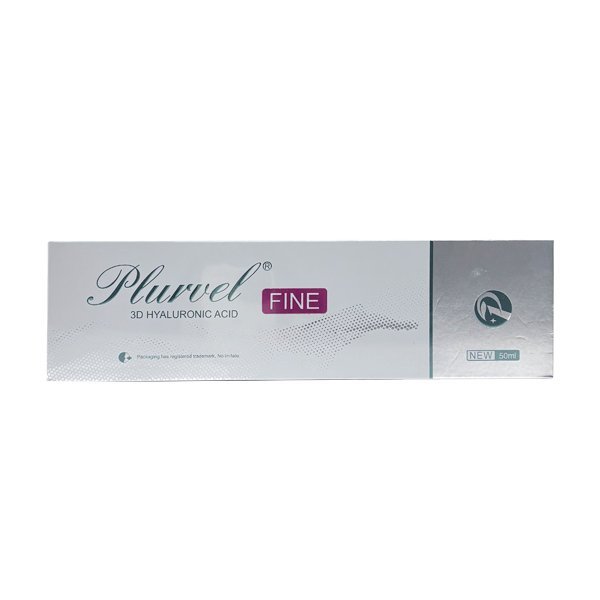
H2: The Innovation Behind Diphasic Gel Fillers: A Supply Chain Game-Changer
Let’s cut straight to the point. You’re sourcing fillers, and you’ve heard the buzz around “diphasic” or “biphasic” gels. What’s the real deal? Unlike monophasic homogeneous gels, diphasic fillers are a sophisticated two-phase system. They combine non-crosslinked gel particles suspended within a crosslinked gel matrix. Think of it as having free-flowing and structured components working in tandem. This isn’t just a minor formulation tweak; it’s a performance enhancer. The result for end-clinicians? A product that offers superior lift capacity, smoother injection feel, and improved tissue integration for more natural, durable results. For you, the distributor, this translates into a premium product category with higher client retention, better clinical feedback, and stronger margins. The manufacturing process is more complex, requiring precision emulsification technology, which creates a high barrier to entry and ensures you’re dealing with top-tier manufacturers.

H2: Market Drivers: Where is the Demand for Advanced Fillers Exploding?
The global dermal filler market isn’t just growing; it’s evolving rapidly toward high-performance products like diphasic gels. Here’s the data-driven landscape for 2024:
| Region | Key Growth Driver | Preferred Filler Characteristic | Estimated Market Share Growth (2023-2024) |
|---|---|---|---|
| North America | Minimally-invasive procedure demand, aging population. | High durability, natural look, FDA-approved materials. | +8.5% |
| Europe | Strong medical aesthetics tradition, high consumer awareness. | Precision, safety profiles, CE-marked innovative products. | +7.2% |
| Asia-Pacific | Explosive social media influence, rising disposable income. | Viscosity for contouring (jawlines, cheekbones), subtle enhancement. | +12.1% |
| Middle East | Defined, sculpted aesthetic preferences. | High G-prime (firmness) for structure and projection. | +9.8% |
The data shows APAC’s lead, but note the nuance: North American and European markets are moving from volume to value, seeking advanced formulas. The driver is no longer just “removing wrinkles.” It’s about 3D facial sculpting, regenerative aesthetics (stimulating collagen), and meeting patient demands for procedures with minimal downtime and maximum longevity. Diphasic gels directly answer these needs.
H2: Sourcing Smart: Critical Specifications for B2B Buyers
When evaluating a diphasic filler supplier, move beyond basic pricing. Your due diligence on these specifications dictates your success:
- Core Composition & Concentration: Is it HA-based? What’s the particle size (e.g., 80-120μm, 120-180μm) and concentration? Smaller particles integrate smoothly for fine lines; larger particles provide deeper structural support. A reputable manufacturer offers a portfolio, not a one-size-fits-all product.
- Sterilization & Purity: The process must be ISO 13485 compliant. Ask for documentation on bacterial endotoxin levels and sterility testing. This is non-negotiable for regulatory clearance in your target markets.
- Syringe & Needle Configuration: The packaging is part of the product. High-quality, ultra-sharp needles (e.g., 27G-30G) reduce practitioner effort and patient discomfort. Smooth-plunger syringes ensure consistent extrusion. Does the supplier offer custom branding on kits?
- Certification Portfolio: This is your key to market access. A serious manufacturer will have CE (EU), FDA 510(k) clearance (US), and possibly KFDA (Korea), NMPA (China) approvals. Their regulatory team should actively support your own registration process.
- Real-World Clinical Data: Request before-and-after photos, G-prime (elastic modulus) and G” (viscous modulus) rheology data, and published clinical studies. This is your sales ammunition.
H2: The Competitive Edge: Integrating Diphasic Fillers into Your Portfolio
Stocking diphasic gels does more than add an SKU. It positions you as a solutions provider. Here’s how to leverage it:
- Bundle with Training: Partner with manufacturers who offer comprehensive medical training—webinars, hands-on workshops, and injection protocol guides. You sell expertise, not just vials.
- Target Specific Practitioner Segments: Market high-viscosity diphasic fillers to plastic surgeons and dermatologists specializing in facial contouring. Offer smoother, mid-range viscosity gels to aesthetic physicians focusing on pan-facial rejuvenation.
- Focus on the Value Chain: Educate your clients (the clinicians) on the total cost-per-treatment value. While the unit price may be higher, the longevity and reduced need for touch-ups improve their clinic’s profitability and patient satisfaction. Provide them with marketing collateral to explain the technology to their end-patients.
- Logistics & Support: Ensure your supply chain guarantees temperature-controlled shipping (2-25°C typically) and has a clear, responsive protocol for handling inquiries and providing technical support across time zones.
Professional Q&A for B2B Distributors
Q1: For a distributor new to premium fillers, what is the most common market entry mistake?
A: The biggest mistake is competing on price alone in this segment. The market for advanced fillers like diphasic gels is driven by clinical efficacy, safety, and support. Entering with a “discount” strategy undermines the product’s perceived value. Focus your entry on a select group of key opinion leader (KOL) clinics in a major city. Provide exceptional product education and support to them. Their clinical success and testimonials will become your most powerful sales tool for expanding to other regions.
Q2: How critical are rheology data (G-prime, G”) when comparing products from different suppliers?
A: It’s absolutely critical. These are not just technical specs; they are predictable performance indicators. G-prime measures elasticity or “stiffness”—how well the filler will resist deformation and provide lift. G” measures viscosity—how easily it flows during injection. A high G-prime, high G” filler is ideal for deep structural work. A balanced profile is better for mid-to-deep dermal placement. Reputable manufacturers provide this data transparently. Comparing these numbers allows you to objectively match products to specific treatment indications, building trust with your clinician clients.
Q3: We face strict customs regulations. What documentation should we require from the manufacturer to ensure smooth clearance?
A: Beyond the commercial invoice and packing list, insist on a comprehensive Certificate of Analysis (CoA) for every batch, detailing sterility, endotoxin levels, concentration, and physical properties. A Certificate of Free Sale from the country of manufacture is essential. The Declaration of Conformity (for CE-marked devices) and FDA Clearance/Approval Letter (for the US market) prove regulatory status. Proactively ask the manufacturer’s export department for the specific dossier required for your country’s health authority (e.g., ANVISA for Brazil, Health Canada). A professional supplier will have this prepared.