
The quest for fuller, more defined lips has moved from a beauty secret to a mainstream aesthetic treatment. Among the myriad options available, hyaluronic acid (HA) lip fillers stand out as the gold standard—a minimally invasive procedure promising instant, transformative results. Yet, beneath the surface of plump, luscious lips lies a complex landscape of science, artistry, and medical consideration. This guide isn’t just about aesthetics; it’s about empowering you with comprehensive knowledge. Whether you’re contemplating your first procedure or seeking to understand the nuances, we’ll navigate the compelling benefits, the tangible risks, and the critical decisions in between, all grounded in the latest data and expert insights. Let’s delve into the world of hyaluronic acid lip fillers.
What Are Hyaluronic Acid Lip Fillers and How Do They Work?
Hyaluronic acid is a sugar molecule naturally present throughout our bodies, with a particularly high concentration in our skin, connective tissue, and eyes. Its primary superpower is its ability to bind and retain water—a single gram can hold up to six liters—making it a master of hydration and volume. As we age, our natural HA production declines, leading to thinner lips, loss of definition, and the appearance of fine lines around the mouth.
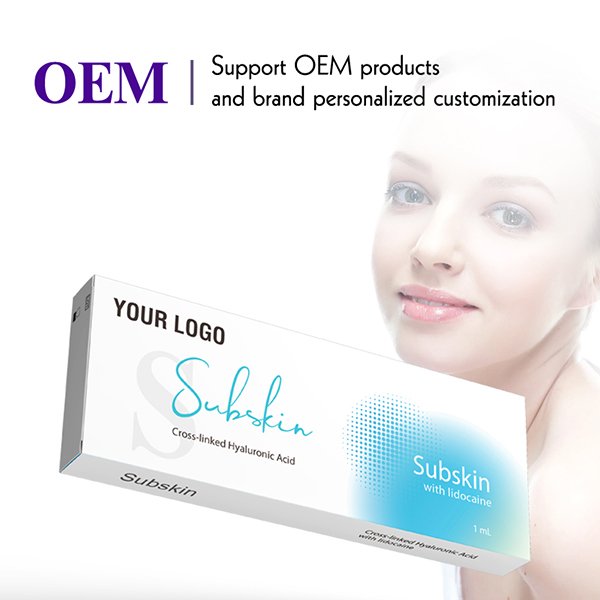
HA-based dermal fillers harness this natural substance. The hyaluronic acid used in fillers is not animal-derived but is instead biosynthesized in laboratories through a bacterial fermentation process, making it biocompatible and reducing allergy risks. This HA is then “cross-linked”—a chemical process that binds the molecules into a stable, gel-like substance. This cross-linking is crucial; it determines the filler’s viscosity, elasticity, and longevity, allowing it to provide structural support rather than being rapidly absorbed.
When expertly injected into the lips and the surrounding vermillion border, the HA gel performs two key functions. First, it adds immediate physical volume and shape, defining the cupid’s bow, enhancing the lip body, and softening vertical lip lines (often called “smoker’s lines”). Second, its hydrating properties draw water to the area, integrating with the tissue for a natural, soft feel. A significant advantage over permanent fillers is reversibility; if a patient is unhappy with the result, an enzyme called hyaluronidase can be injected to dissolve the HA filler, effectively erasing the treatment.
The Multifaceted Benefits: Why HA Fillers Dominate Lip Enhancement
The popularity of hyaluronic acid lip fillers is not a passing trend but a result of their proven, multifaceted advantages. Let’s break down the core benefits that make them a preferred choice for millions worldwide.
Natural Aesthetics and Customization: The days of the overly done, “duck-like” lip are fading, thanks to advanced HA products and skilled injectors. Modern fillers like Juvederm Volbella XC or Restylane Kysse are engineered for subtlety, offering a range of consistencies for different goals—from fine line softening to significant volume addition. A proficient practitioner can sculpt lips to enhance an individual’s unique facial harmony, balancing proportion with the chin, nose, and cheeks.
Minimally Invasive with Immediate Results: Unlike surgical lip implants or lifts, HA fillers require no general anesthesia or lengthy downtime. The procedure is typically completed in 30-60 minutes. Results are visible immediately, though final appearance settles after initial swelling subsides in a few days. This “lunchtime procedure” aspect is a major driver of its appeal in our fast-paced world.
Collagen Stimulation and Skin Quality Improvement: Beyond mere filling, HA has been shown to have a bioactive effect. The initial volume comes from the gel itself, but the process of injection and the presence of the gel can stimulate the body’s own collagen production over time. Furthermore, its intense hydrating capacity improves the overall texture and quality of the lip skin, making it appear smoother and healthier.
Predictability and Safety Profile: With over two decades of clinical use and a massive volume of safety data, HA fillers have an excellent track record. Their biocompatibility means severe allergic reactions are exceedingly rare. As mentioned, the “reversal” option with hyaluronidase provides a critical safety net, offering peace of mind that is unavailable with semi-permanent or permanent options.
Enduring Yet Not Permanent: For many, the ideal aesthetic treatment is one that offers lasting but not lifelong change. HA fillers typically last between 6 to 12 months, depending on the product used, the individual’s metabolism, and lifestyle factors. This allows patients to adapt their look over time or take a break from treatments without permanent commitment.
Recent Market & Satisfaction Data (2023-2024):
- The global dermal filler market, heavily driven by HA products, is projected to reach $9.1 billion by 2027, with lip enhancements being a top procedure.
- A 2023 survey by the American Society for Dermatologic Surgery reported a 95% patient satisfaction rate for lip filler procedures, citing natural-looking results as the primary factor.
- According to data from the Aesthetic Plastic Surgery National Databank, requests for “natural-looking” lip enhancement have increased by over 70% since 2020.
Understanding the Risks and Potential Side Effects
While generally safe, hyaluronic acid lip fillers are medical procedures, not without potential complications. An informed patient must understand these risks to make a sound decision and recognize when to seek help.
Common, Temporary Side Effects: These are expected reactions to the injection process itself and typically resolve within hours to a week.
- Swelling and Bruising: The lips are highly vascular. Swelling peaks at 24-48 hours, while bruising can last up to 10 days. Using arnica and avoiding blood-thinning medications (like aspirin, ibuprofen, fish oil) before treatment can minimize this.
- Redness, Tenderness, and Itching: These are normal inflammatory responses.
- Asymmetry: Some initial unevenness is common due to swelling. True asymmetry from uneven product placement may require a touch-up after healing.
Less Common, More Serious Complications:
- Infection: Though sterile techniques minimize risk, bacterial or viral (like herpes simplex) outbreaks can occur.
- Lumps and Nodules: These can form if the product is placed too superficially or clusters. Massage by the provider can often resolve small lumps.
- Vascular Compromise (The Most Serious Risk): This occurs if filler is accidentally injected into an artery, blocking blood flow. It can lead to tissue ischemia (blanching, severe pain) and, in worst-case scenarios, necrosis (tissue death) or even blindness if the occlusion travels to the retinal artery. This underscores the non-negotiable importance of an injector with expert knowledge of facial anatomy and vascular networks. The risk is low in expert hands but never zero.
- Tyndall Effect: A bluish discoloration under the skin, seen when filler is placed too superficially.
- Delayed-Onset Nodules: Inflammatory bumps that can appear months later, sometimes related to an immune response.
Long-Term Considerations: Repeated injections over many years can, in some cases, lead to persistent swelling or textural changes. There is also an ongoing discussion in the medical community about the potential for filler to be visible on MRI scans for years after presumed dissolution, though the clinical significance of this is still being studied.
Complication Rate Data (Recent Clinical Studies):
- The incidence of severe vascular complications is estimated to be between 0.05% to 0.001% for all facial filler procedures, with lips being a higher-risk area due to vascular density.
- A 2023 review in the Journal of Clinical and Aesthetic Dermatology reported an overall complication rate of ~3.5% for lip fillers, with the vast majority being temporary bruising and swelling.
Choosing the Right Provider and Product: A Critical Decision
Your results and safety are overwhelmingly dependent on the skill of your injector and the quality of the product used. This is not an area to prioritize cost over expertise.
Selecting Your Medical Professional: Always choose a licensed, board-certified medical doctor (in dermatology or plastic surgery) or a highly trained nurse practitioner/physician assistant working under direct supervision in a reputable medical setting. Avoid medispas, parties, or unlicensed individuals.
- Consultation is Key: A thorough consultation should assess your facial anatomy, discuss your goals with visual aids, review your medical history, and clearly explain risks, aftercare, and costs. There should be no pressure.
- Ask Questions: “How many lip filler procedures do you perform annually?” “Can I see before-and-after photos of your patients?” “What is your protocol for handling complications like vascular occlusion?”
Understanding Product Differences: Not all HA fillers are the same. Leading FDA-approved brands have specific characteristics:
| Product Name (Brand) | Key Characteristics | Best For | Typical Longevity |
|---|---|---|---|
| Juvederm Volbella XC | Low viscosity, smooth gel. Very low swelling (Lidocaine included). | Subtle volume, lip definition, softening perioral lines. | Up to 12 months |
| Juvederm Ultra XC | Versatile, balanced viscosity. | Natural volume and shape. | 6-9 months |
| Restylane Kysse | Designed specifically for lips. High flexibility for natural movement. | Enhanced volume, structure, and texture. | 9-12 months |
| Restylane Refyne/Defyne | Highly flexible, dynamic gels. | Natural-looking volume that moves with the smile. | 9-12 months |
| Belotero Balance | Very soft, integrates seamlessly into superficial skin layers. | Smoothing fine vertical lip lines. | 6-9 months |
A master injector will select and potentially combine products to achieve your specific goals.
The Treatment Process: From Consultation to Aftercare
Knowing what to expect demystifies the process and prepares you for optimal healing.
- Pre-Treatment Preparation (1-2 Weeks Before): Your provider will likely advise avoiding blood thinners (aspirin, NSAIDs, certain supplements), alcohol, and smoking to reduce bruising. If you have a history of cold sores, an antiviral prescription may be given to prevent an outbreak.
- The Day of Treatment: The area will be cleansed, and a topical numbing cream is applied. Most modern fillers also contain lidocaine for comfort during and after injection. Using a very fine needle or a blunt-tipped cannula (which may reduce bruising and vessel trauma), the provider makes a series of precise injections.
- Immediate Aftercare (First 48 Hours): Expect swelling. Apply cold compresses intermittently. Avoid strenuous exercise, excessive heat (saunas, hot tubs), and alcohol. Sleep with your head elevated. Do not massage your lips unless specifically instructed.
- The Following Week: Bruising and swelling subside. You may feel small lumps; these often soften naturally. Follow-up with your provider is typically scheduled at 2-4 weeks to assess results and perform any minor touch-ups if needed.
Professional Q&A: Your Top Lip Filler Questions Answered
Q1: How painful is the procedure really?
A: Most patients rate the discomfort as mild to moderate. The combination of topical numbing cream and lidocaine within the filler itself makes the process very tolerable. Sensation is often described as a brief pinch or pressure. Cannula techniques can be less painful than needles for some.
Q2: Can lip fillers look completely natural?
A: Absolutely. The “natural” goal is now the norm. The key is skilled injection focusing on enhancing your lip’s innate shape—defining the border, adding subtle projection, and maintaining a smooth transition to the surrounding skin. Overfilling is a choice, not an inevitability of the procedure.
Q3: I’ve heard filler can migrate. Is this true?
A: True migration of the HA gel mass is less common than once thought. What is often perceived as migration is usually poor initial placement (too close to the vermillion border) or edema fluid from swelling tracking in the tissue. Using appropriate, stable products and proper technique minimizes this risk. A 2022 ultrasound study showed that well-placed filler remains localized.
Q4: How long do results actually last with modern products?
A: While individual metabolism plays a role, current data supports that premium lip-specific fillers like Restylane Kysse or Juvederm Volbella can maintain optimal correction for 9-12 months in most patients. Some residual hyaluronic acid may be present longer, but for practical touch-up planning, the 9-12 month range is standard.
Q5: Are there any new technologies on the horizon that might replace HA fillers?
A: HA fillers remain dominant due to their safety and reversibility. The innovation is in product engineering (more cohesive, longer-lasting gels) and injection technology (improved cannulas, ultrasound guidance for precision). Research into biostimulatory agents (like polycaprolactone-based fillers) that encourage more of your own collagen is ongoing, but these are not typically first-line for lips due to different handling properties.
In conclusion, hyaluronic acid lip fillers represent a powerful fusion of science and artistry. Their benefits—natural-looking enhancement, minimal downtime, and a strong safety profile—are compelling. However, these advantages are fully realized only when paired with a realistic understanding of the risks and an unwavering commitment to choosing an expert, board-certified provider. By prioritizing knowledge and quality over cost and convenience, you can make an informed choice toward achieving the confident, beautiful smile you desire.