
In the ever-evolving world of aesthetic enhancements, the quest for a sculpted, defined, and youthful facial contour has led to the meteoric rise of one standout treatment: the hyaluronic acid jawline filler. Moving beyond the classic focus on lips and cheeks, jawline contouring has emerged as a pivotal procedure for individuals seeking to restore structural definition, combat signs of aging like jowling, or achieve a stronger, more balanced facial profile. This non-surgical solution harnesses the power of hyaluronic acid—a substance naturally found in our skin—to create subtle yet transformative results. Whether you’re considering the procedure to reverse time, refine your shape, or boost your confidence, this comprehensive guide delves into everything you need to know, from the science behind the gel to the latest expert techniques and real-world data.
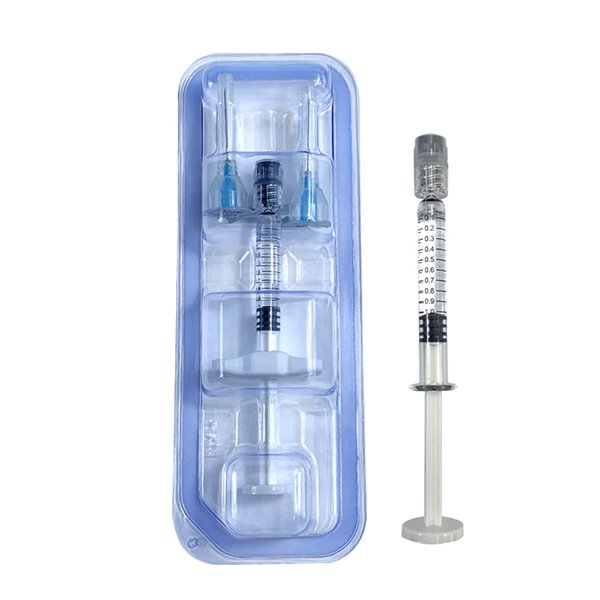
Understanding Hyaluronic Acid and How It Sculpts Your Jawline
Hyaluronic acid (HA) is a sugar molecule that occurs naturally in the human body, particularly in the skin, eyes, and connective tissues. Its primary function is to retain water, keeping tissues well-lubricated and plump. In aesthetic medicine, cross-linked HA gels are used as dermal fillers. When injected along the jawline, these gels do more than just add volume; they provide structural support, lift sagging skin, and redefine lost contours.
As we age, we experience bone resorption in the jaw, loss of skin elasticity, and a descent of facial fat pads. This can lead to a softening of the jaw’s angle, the formation of jowls, and an overall less defined lower face. Hyaluronic acid fillers address this by:
- Restoring Structural Support: Strategically placed, filler can mimic lost bone support, re-sharpening the mandibular angle.
- Providing a Lifting Effect: By placing filler along the mandibular border, practitioners can create a subtle lift, pulling slack skin upward and outward to reduce the appearance of jowls.
- Improving Skin Quality: HA’s hydrating properties can improve the texture and luminosity of the overlying skin.
- Creating Balance: A stronger jawline can bring harmony to the entire face, balancing out other features.
Modern HA fillers designed for the jawline, like Juvederm Volux, Restylane Lyft, and Teosyal RHA 4, are specifically formulated with higher G-prime (firmness) and viscosity. This makes them ideal for deeper structural placement, ensuring they maintain their shape and provide lasting support in this high-movement area.
The Treatment Process: From Consultation to Contour
A successful jawline filler treatment is a journey that hinges on expert assessment and precise execution. It is not a one-size-fits-all procedure.
1. The Comprehensive Consultation:
This is the most critical step. A qualified, experienced medical professional (a board-certified dermatologist or plastic surgeon) will assess your facial anatomy, bone structure, skin quality, and aesthetic goals. They will examine the strength of your mandible, the distribution of fat, and the degree of skin laxity. Using this assessment, they develop a personalized plan, determining the exact injection points and the type and quantity of filler required. They will also review your medical history, discuss potential risks, and set realistic expectations. The goal is enhancement, not a drastic change.
2. The Procedure Itself:
On the day of treatment, the area is cleaned, and a topical numbing cream is often applied. The filler itself usually contains lidocaine for added comfort. Using a cannula (a blunt-tipped tube) or a fine needle, the practitioner injects the HA gel in precise aliquots along the pre-marked points of the jawline and chin. A cannula is often preferred for jawline work as it is safer near important vessels and allows for smoother, less traumatic placement along the bone. The process typically takes 30 to 60 minutes.
3. The Art of Sculpting:
The injector will meticulously mold and massage the product to ensure a smooth, natural, and symmetrical result. You may be asked to sit up during the process so the injector can see how the filler settles with gravity. The immediate results are visible, though final definition emerges after any minor swelling subsides, usually within 1-2 weeks.
Efficacy, Longevity, and Data-Driven Insights
Jawline filler with hyaluronic acid is celebrated for its impressive and long-lasting results. Let’s look at the key metrics:
- Longevity: Results typically last between 12 to 24 months, depending on the product used, the individual’s metabolism, lifestyle factors, and the amount injected. Firmer, high-G’ products like Juvederm Volux are specifically engineered for the jawline and can last up to 2 years in many patients.
- Patient Satisfaction: According to clinical data and aesthetic surveys, satisfaction rates for jawline contouring are consistently high. A 2022 review in the Journal of Cosmetic Dermatology noted that over 90% of patients reported improved facial contour and satisfaction with their appearance post-treatment.
- Market Growth: The demand for non-surgical contouring is skyrocketing. The American Society of Plastic Surgeons (ASPS) reported nearly 1.4 million soft tissue filler procedures in 2022, with a significant portion attributed to facial contouring areas like the jawline and chin.
Comparative Overview of Leading Hyaluronic Acid Jawline Fillers
| Product Name | Key Characteristics | Best For | Typical Longevity |
|---|---|---|---|
| Juvederm Volux | Very high G’, specifically FDA-approved for jawline & chin. | Adding strong definition and structure to the jawline. | Up to 24 months |
| Restylane Lyft | High G’, FDA-approved for cheek augmentation and mid-face, commonly used off-label for jaw. | Lifting and adding volume to the mid-face and jawline. | 12-18 months |
| Teosyal RHA 4 | Part of the RHA (Resilient Hyaluronic Acid) collection, designed for dynamic facial zones. | Jawline definition in patients with high facial mobility. | 12-15 months |
| Belotero Balance | Softer, more integrating formulation. | Subtle, seamless blending or fine-tuning along the jaw. | 6-12 months |
Risks, Safety, and Essential Aftercare
While HA fillers are considered safe, being aware of potential risks is crucial for an informed decision. Common, temporary side effects include redness, swelling, bruising, and tenderness at the injection sites, which usually resolve within a few days to a week.
More serious, but rare, complications can include:
- Vascular Compromise: This is the most serious risk, occurring if filler is accidentally injected into a blood vessel. It can block blood flow, leading to skin necrosis (tissue death) or even blindness if near the eye area. This underscores the imperative of choosing an incredibly skilled and anatomy-expert injector who uses cannulas to minimize risk.
- Infection: Any injection carries a risk of infection.
- Lumps or Irregularities: Can occur due to uneven placement or product migration.
- Allergic Reaction: Extremely rare with HA fillers, as HA is biocompatible.
Aftercare is straightforward but vital for optimal results and healing:
- Avoid touching or massaging the area for 24 hours, unless instructed by your provider.
- Avoid strenuous exercise, excessive heat (saunas, hot yoga), and alcohol for 24-48 hours to minimize swelling.
- Sleep on your back for the first few nights.
- Stay hydrated to help the HA integrate and perform optimally.
- Attend any scheduled follow-up appointments (usually at 2-4 weeks) for your provider to assess the results.
Professional Q&A: Your Jawline Filler Questions, Answered
Q1: How do I know if I’m a good candidate for jawline filler?
A: Ideal candidates are adults with mild to moderate loss of jawline definition, early jowling, or those seeking a more balanced facial profile. Good skin elasticity yields the best lifting results. It is not suitable for individuals with severe skin laxity, who may benefit more from a surgical lift, or those with active skin infections or certain autoimmune conditions. A consultation with a board-certified professional is the only way to determine true candidacy.
Q2: Is the procedure painful, and what is the recovery time?
A: Discomfort is typically minimal. Topical numbing cream and the lidocaine in the filler make the process very manageable. Most people describe it as a pressure or mild pinching sensation. There is no true “downtime,” but you should plan for potential bruising and swelling for 3-7 days. Many people return to work and social activities the next day, using makeup if desired to cover any bruises.
Q3: Can jawline filler look unnatural or “overdone”?
A: When performed by a skilled, artistic injector, jawline filler should look natural and enhance your existing features. The “overdone” look typically arises from using too much product, placing it incorrectly, or choosing a filler that is too soft for the area. The goal is a refined, stronger contour that looks like a better version of yourself, not an obvious alteration. Starting conservatively and adding more later if needed is the hallmark of a prudent approach.
Q4: What is the cost range for hyaluronic acid jawline filler?
A: Costs vary widely based on geographic location, the injector’s expertise, and the amount of product needed. On average, you can expect to invest between $1,500 to $3,500 per treatment session. It’s crucial to prioritize the provider’s skill and credentials over price, as this is a medical procedure that requires expert anatomical knowledge.
Q5: What happens if I don’t like my results? Is it reversible?
A: One of the greatest advantages of hyaluronic acid fillers is their reversibility. An enzyme called hyaluronidase can be injected to dissolve the HA filler if you are unhappy with the results or if a complication occurs. This allows for adjustments or complete reversal, a safety net that is not available with permanent fillers or implants.