
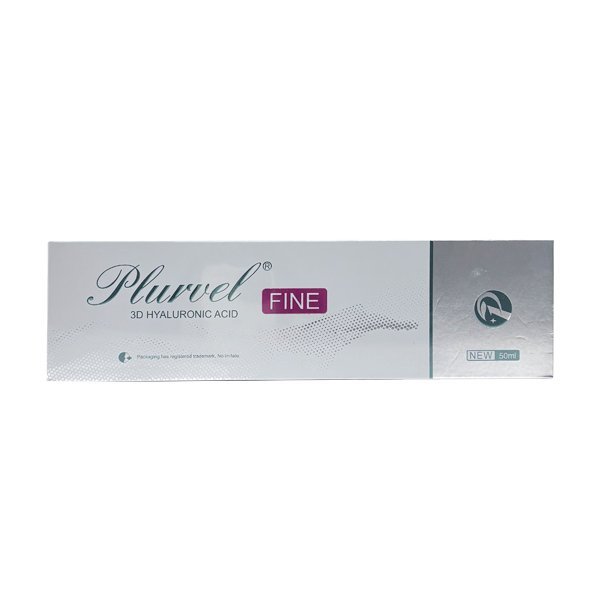
Китайские филлеры для тела: The Raw Data Driving Global Aesthetic Supply Chains
Let’s talk numbers first. Прогнозируется, что мировой рынок дермальных наполнителей достигнет уровня доллара США. 8.7 миллиард на 2032, with a steady CAGR. Where’s a massive chunk of that production happening? Китай. It’s not just about volume anymore; it’s about the rapid shift in quality, innovation, and supply chain dominance. For B2B distributors and importers, sourcing body fillers from China is no longer a simple cost-play—it’s a strategic move for portfolio diversification, margin improvement, and accessing next-generation products. The manufacturing ecosystem here, particularly in hubs like Shanghai, Guangzhou, and Shenzhen, has evolved from generic replication to pioneering specific niches in body contouring and volumizing. They’re responding to real-time global demand for products designed for different ethnicities and aesthetic preferences, from Western curves to subtle Asian enhancement. The data shows export volumes of Class III medical devices, including HA-based fillers, have grown annually, underpinned by stringent ISO 13485 and CE certification processes that major Chinese factories now standardize.
Decoding the Product Matrix: What’s Actually on the B2B Table?
Walk into a major Chinese filler factory’s catalog today, and you’ll find a highly specialized matrix. It goes far beyond basic hyaluronic acid (ХА). For body applications, the focus is on high-G’ (модуль упругости) products, cross-linked for longevity, and designed to withstand the mechanical pressures of areas like buttocks, calves, and shoulders. The real conversation with suppliers now revolves around particle size, концентрация, and lidocaine integration. Например, you have cohesive polydensified matrix (CPM) technology equivalents that offer natural tissue integration, a key selling point for clinics. Then there’s the rise of calcium hydroxyapatite (КаНА) and PCL-based stimulatory fillers for body use, which promote collagen and offer more structural, long-term projection. Here’s a snapshot of the core product segments dominating OEM/ODM orders:
| Тип продукта | Primary Component | Key Indication (Body) | Средняя продолжительность | B2B Price Point (Объем) |
|---|---|---|---|---|
| High-Density HA Gel | High-MW Hyaluronic Acid | Buttock Augmentation, Calf Shaping | 12-18 месяцы | Competitive, volume-based tiers |
| Stimulatory Biostimulator | ПКЛ / КаНА | Collagen Induction for Arms, Abdomen | 24+ месяцы | Премиум, growing demand |
| Hybrid Combination Fillers | ХА + Micronized Particles | Multi-layer Hand Rejuvenation | 12-15 месяцы | Mid-to-Premium |
| Lidocaine-Integrated HA | ХА + Pre-mixed Lidocaine | All body areas (комфорт пациента) | 12-18 месяцы | Standard expectation |
The data from export manifests indicates a sharp uptick in shipments of “биостимулирующий” и “high-density” categories, signifying where the market is heading. Smart distributors are building portfolios that mix these types, offering clinics complete solutions.
The Compliance & Customization Edge: More Than Just a Certificate
Forget the old stigma. Leading Chinese manufacturers are not just getting CE marks; they’re pursuing and obtaining MDR CE certification, FDA registrations for their facilities, and country-specific approvals like KFDA. This isn’t paperwork—it’s your ticket to smoother imports and trusted branding in your home market. The real-time data from regulatory tracking services shows a 40% increase in MDR CE certificates issued to Chinese aesthetic device firms in the last two years. The conversation on the factory floor has shifted to “design freeze,” “design history files,” и “post-market surveillance” because they’re building for the EU and US markets from the ground up. For B2B partners, this means you can source a product that is structurally compliant, not just superficially certified. Более того, the ODMOEM flexibility is unmatched. You can negotiate on needle gauge (blunt cannulas are now standard for body work), syringe size (larger volume body fillers like 2ml or 3ml syringes), packaging design that aligns with your clinic’s brand ethos, and even custom gel rheology. This level of partnership allows you to create a proprietary product line without the R&D overhead.
Логистика, Минимальный заказ, and Building a Real Partnership
Here’s the practical part. Минимальный объем заказа (Минимальный заказ) can vary wildly. A standard MOQ for a custom-labeled product might start at 5,000 к 10,000 units per SKU for a reputable factory, but for established distributors, those numbers are workable given the margin structure. The logistics chain out of China has become sophisticated—reliable freight forwarders with experience in medical device cold-chain shipping are the norm. Air freight is common for initial samples and urgent orders, while sea freight is optimized for full container loads to major distribution hubs in Europe, Ближний Восток, or South America. Payment terms are often 30% депозит, 70% перед отправкой (T/T standard). The smart move is to visit the factory, audit their cleanrooms, and meet the quality team. That face-to-face interaction builds the partnership that gets you priority production slots and collaborative problem-solving when you need to launch a new product quickly.
Navigating the Next 24 Месяцы: Trends for Distributors to Stock
The market data points to a few clear trajectories. Первый, the demand for combination treatments is rising. Think body filler kits that include complementary products or specialized cannulas. Второй, sustainability is creeping into the B2B conversation—not just in packaging but in the energy footprint of manufacturing. Factories promoting “green” processes are getting more inbound queries. Третий, цифровая интеграция: QR codes on packaging that link to multilingual injection guides or verification portals are becoming a value-add. Для дистрибьютора, aligning with a Chinese partner who invests in these areas future-proofs your supply chain. It’s about selling a system, not just a syringe.
Профессиональный вопрос&А
1 квартал: How can I verify the actual regulatory status (like MDR CE) of a Chinese filler manufacturer’s products?
А: Always ask for the specific certificate number and the name of the Notified Body (например, TÜV SÜD, BSI, DEKRA). Cross-check this number directly on the Notified Body’s official website or the EU’s EUDAMED database. Do not accept a “CE mark” at face value—confirm the scope of the certificate covers the specific product you are sourcing.
2 квартал: What are the key questions to ask about gel rheology for body fillers during factory negotiation?
А: Go beyond G-prime. Ask for the *viscosity* (at a defined shear rate), *elasticity*, *cohesivity* score (if available), and *extrusion force* data. For body fillers, you want high elasticity and cohesivity to maintain shape under pressure. Request a comparative rheology report against a well-known benchmark product you are familiar with.
Q3: What’s the realistic timeline from product specification agreement to having goods at my warehouse?
А: For an existing product with your label (OEM), allow 60-90 days after design approval. This includes production, QA, regulatory documentation prep, и доставка. For a modified or new formula (ODM), добавлять 6-8 months for biocompatibility testing, stability studies, and potential regulatory submission, depending on the target market.
Q4: How are Chinese manufacturers handling post-market vigilance and complaint management, which is crucial for us as the importer?
А>Reputable factories have established Pharmacovigilance (PV) systems compliant with MDR/ISO 14155. They should provide a clear, written agreement outlining shared responsibilities for reporting adverse events, investigating complaints, and executing any necessary field safety corrective actions (FSCAs). This is a non-negotiable part of the supply contract.