
Заголовок: Руководство по выбору наполнителей OEM в Корее: От автомобилестроения к эстетике, Ваша книга стратегических закупок
Н2: Думай как стратег, Не просто покупатель
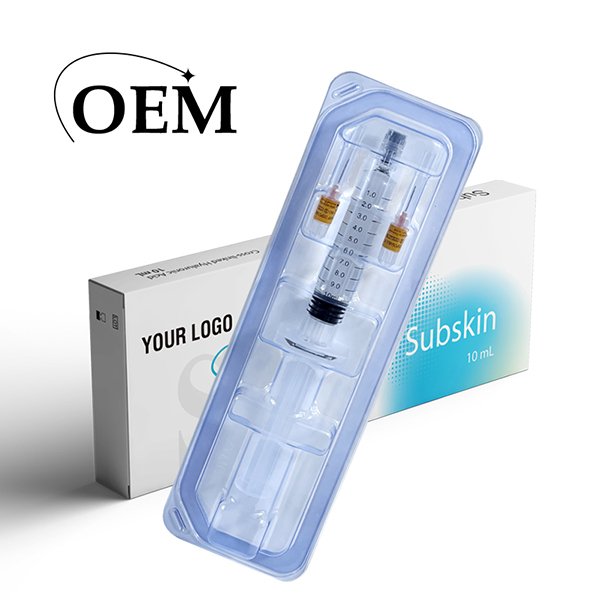
Давайте сразу перейдем к делу. Поиск OEM-наполнителей из Кореи – это не поиск поставщика.; речь идет о поиске стратегического партнера в вашей цепочке поставок. Вы не просто покупаете гиалуроновую кислоту в шприце.. Вы инвестируете в R&Возможность D, нормативное предвидение, и масштабируемость производства. Корейский рынок эстетической медицины переживает бум не случайно.. Это обусловлено неустанным вниманием к инновациям., контроль качества, и технологическое перекрестное опыление от гигантов в области полупроводников, дисплеи, и автомобилестроение. Эта культура точного машиностроения напрямую влияет на их биомедицинское производство и производство наполнителей.. Ваш первый фильтр не должен быть цена за единицу; это инвестиции завода в R&D в процентах от выручки и история соответствия требованиям аудита.. Попросите их годовой R&Отчет о расходах D. Надежный партнер получит это, часто демонстрируя приверженность 8-15% доходов обратно в инновации.
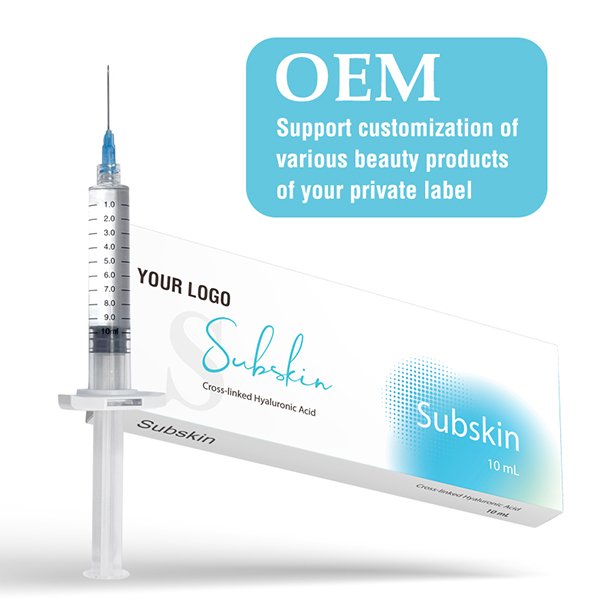
Пейзаж в 2024 определяется умной специализацией. Некоторые корейские OEM-производители доминируют в производстве наполнителей с высоким содержанием G для структурного увеличения., использование биоматериаловедения, первоначально разработанного для тканевой инженерии. Другие преуспевают в супергладкости, филлеры с низким G’ для тонких линий, использование технологий фильтрации и гомогенизации из индустрии электронных жидкостей. Дорожная карта вашего продукта должна соответствовать их инженерной специализации.. Вы ориентируетесь на сегмент дермальных бустеров, ориентированный на объемы, или на высокорентабельный сегмент?, специализированная ниша периостальных или биостимулирующих наполнителей? Ваш выбор OEM будет определять ваше позиционирование на рынке в будущем. 5 годы.
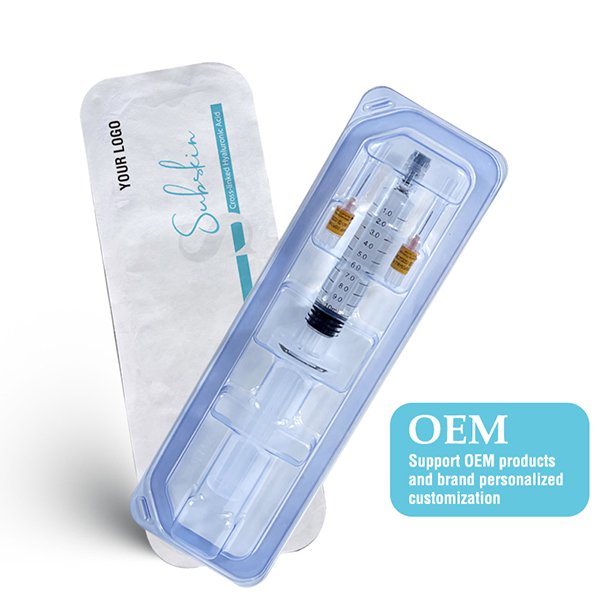
Н2: Основное исчисление: Поиск ингредиентов, Формула владения, и передача технологий
Вот где большинство разговоров о поиске поставщиков становятся нечеткими, и вы должны быть точными. The “Корея” в “OEM Корея Наполнитель” это не волшебная пыль. Это экосистема. Критические вопросы вращаются вокруг источника основного сырья – гиалуроновой кислоты. (ХА). Производит ли ваш потенциальный OEM собственную ГК посредством ферментации?, или это источник стороннего источника? В 2024, OEM-производители высшего уровня вертикально интегрируют, контроль путем отбора бактериальных штаммов (нравиться Стрептококк зооэпидемический) посредством ферментации, очищение (с использованием систем фильтрации с тангенциальным потоком), и наконец, сшивка. Этот контроль является вашей гарантией стабильности от партии к партии и отсутствия патогенных микроорганизмов..
При обсуждении формулировки, вы должны юридически определить “собственность.” В настоящем OEM-партнерстве, вы платите за разработку и производство твой запатентованная формула. Убедитесь, что в контрактах четко указано, что конкретная концентрация ГК, соотношение сшивающего агента (как BDDE), плотность сшивки, профиль распределения частиц по размерам, и конечная консистенция геля (Значения G’ и G’’) ваша уникальная интеллектуальная собственность. OEM-производитель обеспечивает технологию платформы и качество производства.. Процесс передачи технологий имеет ключевое значение. Требуйте подробный график блокировки формулы, опытно-серийное производство (10-50 единицы), тестирование стабильности (в реальном времени и ускоренно), и окончательная валидация в промышленном масштабе. Ожидайте, что этот процесс займет минимум 12-18 месяцы на новый, совместимый продукт.
Н2: Соблюдение требований — ваша валюта: Навигация по лабиринту нормативных требований
Это ваша непередаваемая ставка за столом.. Сертификаты корейского OEM-производителя — это паспорт вашего продукта.. Но это динамично. По состоянию на середину 2024 г., базовый уровень — ISO 13485:2016. Однако, для доступа на рынок, вам нужны целевые сертификаты. Для ЕС, они должны иметь действующую систему управления качеством, соответствующую требованиям MDR., и в идеале, успешно получили сертификат ЕС MDR для устройства класса наполнителя IIa или выше. Для пути FDA США, завод должен иметь историю успешных проверок FDA (не 483-е). Многие передовые корейские OEM-производители теперь также соблюдают китайские правила NMPA., которые становятся глобальным эталоном строгого тестирования.
Реальные данные, которые вам нужны, содержатся в их аудиторских отчетах и послепродажном надзоре. (ПМС) системы. Запросить сводку (с отредактированными конфиденциальными данными) из трех последних проверок уполномоченного органа или FDA. Какие незначительные несоответствия были? Как их исправили? Их система PMS должна отслеживать отчеты о нежелательных явлениях., жалобы клиентов, и отслеживание партий в режиме реального времени. Это не просто нормативное регулирование; это ваше управление рисками. В следующей таблице представлены текущие ключевые направления сертификации для основных рынков.:
| Целевой рынок | Критическая сертификация/статус корейского OEM-производителя (2024 Фокус) | Что это значит для вас (Дистрибьютор) |
|---|---|---|
| Евросоюз | Действующий сертификат ЕС MDR (Класс IIа/IIб). Статья о МЛУ 10(9) соответствие для импортера. | Вы можете на законных основаниях нанести знак CE.. OEM-производитель несет ответственность за соответствие требованиям MDR., но ты “Импортер” с определенными юридическими обязательствами. |
| Соединенные Штаты | Регистрация учреждения FDA & Листинг. Успешная история проверок FDA (Нет формы 483). ПМА или 510(к) ссылка. | Вы можете заниматься своим собственным 510(к) использование OEM в качестве контрактного производителя. Их чистая история проверок имеет решающее значение для вашей подачи. |
| Юго-Восточная Азия | Директива АСЕАН по медицинскому оборудованию (AMDD) совместимый. Часто использует MDR ЕС или FDA в качестве эталона.. | Ускоренная регистрация в таких государствах-членах, как Сингапур., Малайзия, Таиланд. Уменьшает нагрузку на местное тестирование. |
| Глобальный тест | ИСО 13485:2016. ИСО 17025 аккредитованная собственная лаборатория. Постмаркетинговый надзор (ПМС) система. | Основа качества. Внутреннее тестирование обеспечивает более быстрый результат. Проактивный PMS минимизирует вашу ответственность. |
Н2: Стол переговоров: Минимальный заказ, Сроки выполнения, и масштабирование партнерства
Сейчас, давайте поговорим о цифрах и логистике. Минимальный объем заказа (Минимальный заказ) для новой линейки продуктов с индивидуальной формулой можно начать с 5,000 к 20,000 единиц SKU для первого заказа. У существующих линий может быть более низкий минимальный заказ на повторный заказ.. Ваш рычаг зависит от многолетней дорожной карты. Ведение переговоров на основе прогнозируемых годовых объемов по 3 годы, не только первая покупка. Сроки выполнения имеют решающее значение: от подтвержденного заказа до отгрузки стандартного продукта по каталогу может быть 60-90 дни. Для индивидуальной формулы, включить график передачи технологий (12-18 месяцы) первый.
Условия оплаты являются отражением здоровья партнерства. Стандартные условия могут быть 30% депозит, 70% перед отправкой. Для долгосрочных партнеров, это может развиться до 30/70 против подтвержденного, безотзывный аккредитив (ЛК), обеспечение безопасности для обеих сторон. Заранее обсудите гибкость упаковки и маркировки. Могут ли они сделать двуязычную маркировку?? Предлагают ли они сериализацию или печать QR-кода для защиты от подделок?? Могут ли они хранить для вас резервный запас на своем таможенном складе для более быстрого пополнения запасов?? Лучшие OEM-производители расширяют вашу деятельность, предлагая ДМС (Инвентаризация, управляемая поставщиком) решения для ключевых клиентов.
Профессиональный вопрос&Раздел
-
вопрос: С появлением биостимулирующих наполнителей (НОАК, КаНА), Корейские OEM-производители выходят за рамки чистых наполнителей ГК??
А: Абсолютно. Ведущие корейские OEM-производители теперь имеют полный спектр “эстетический биоматериал” партнеры. Многие из них разработали усовершенствованные PLLA. (Поли-L-молочная кислота) технология подвески, предлагая более плавный, предварительно смешанные составы, которые уменьшают комкование. Они также являются пионерами в концепциях нового поколения, таких как наполнители на основе гидрогеля и гели ГК, реагирующие на ферменты.. Инновационный конвейер активен, переход от статической замены тома к динамической, биоактивное ремоделирование тканей. -
вопрос: Насколько прозрачны корейские OEM-производители в отношении своей технологии сшивки и остаточных уровней BDDE??
А: Это ключевое отличие. Авторитетные OEM-производители очень прозрачны. Они должны предоставить сертификат анализа. (Соглашение о намерениях) для каждой партии с указанием остаточного содержания BDDE, который должен быть ниже 2 ppm (частей на миллион) соответствовать мировым стандартам фармакопеи. Они должны быть в состоянии объяснить свой процесс перекрестных связей. (монофазный против. двухфазный) и как это влияет на долговечность продукта, вязкость, и грузоподъемность. Попросите G’ (модуль упругости) и Г'' (модуль вязкости) данные реологических исследований. - вопрос: Какова самая большая логистическая проблема при импорте наполнителей из Кореи?, и как мы можем это смягчить?
А: Логистика с контролируемой температурой (“холодовая цепь”) это первостепенная задача. Наполнители необходимо хранить и транспортировать при температуре 2-8°С.. Любое отклонение может ухудшить качество продукта.. Точкой риска часто являются задержки в таможенном оформлении.. Ваша стратегия смягчения последствий двоякая.: 1) Работайте только с OEM-производителями, которые используют проверенные, мониторинг температуры с регистрацией данных внутри каждой партии. 2) Используйте экспедиторов, специализирующихся на биомедицинской холодовой цепи, и обеспечьте предварительную договоренность с таможенными брокерами для ускоренного оформления.. Всегда имейте план действий в чрезвычайных ситуациях в аэропорту назначения..