
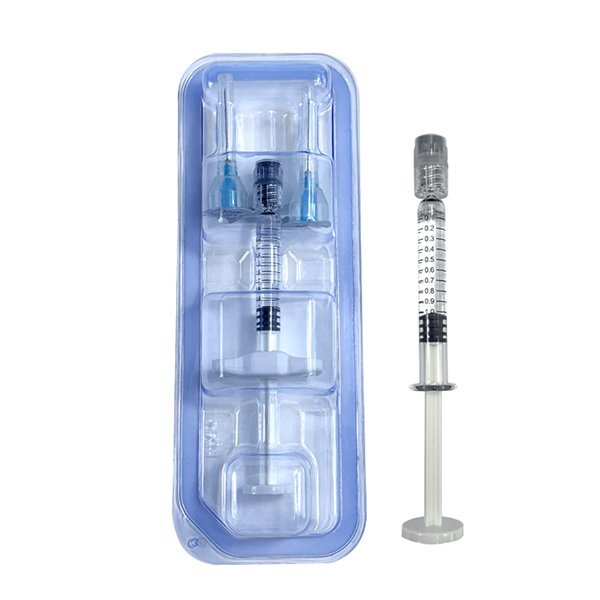
За пределами K-Beauty: Основанное на данных руководство по поиску OEM-наполнителей премиум-класса из Кореи в 2024
Н2: Корейский рынок OEM-наполнителей: Больше, чем просто гиалуроновая кислота
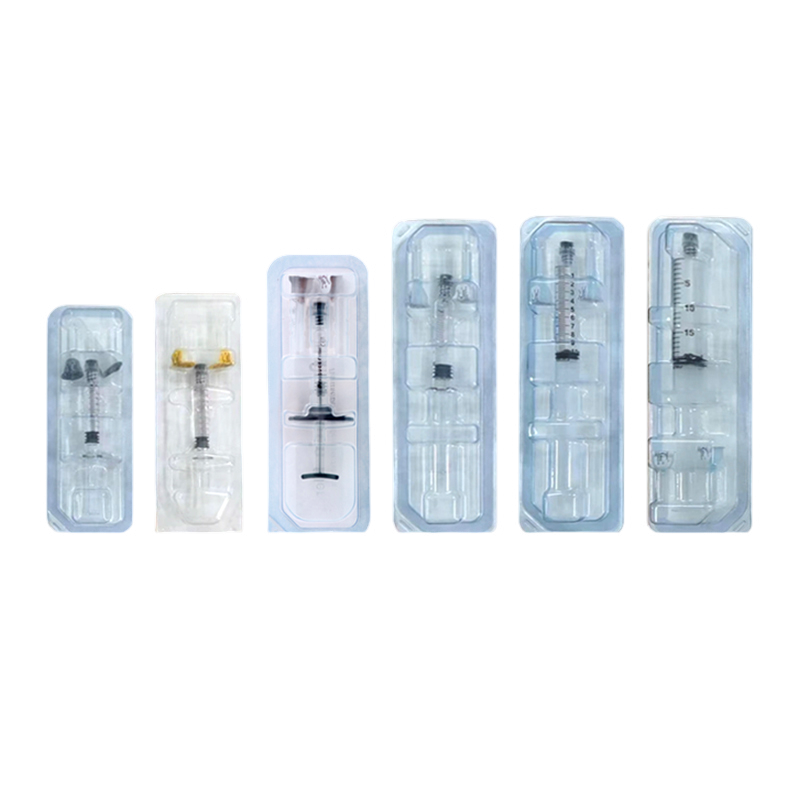
Давайте сразу перейдем к делу. You’re looking at Korea for OEM fillers because you know they’re not just riding the K-beauty wave—they’re driving the innovation. В 2023, South Korea’s cosmetic exports hit a record $10.3 миллиард, with injectable dermal fillers being a significant and growing segment. The appeal isn’t just branding; it’s about a unique ecosystem of rigorous R&Д, advanced manufacturing compliance (think MFDS regulations that are as strict as the FDA and EU MDR), and a relentless focus on novel biomaterials.
While hyaluronic acid (ХА) remains the backbone, Korean labs are pushing boundaries. The conversation now includes PCL-based stimulatory fillers (like Ellansé), НОАК, and next-generation HA with enhanced cross-linking technologies for longer duration and higher G-prime for structural support. Sourcing from Korea means accessing this pipeline of innovation. Для покупателя B2B, your first step is to map the market beyond the famous consumer brands. The real powerhouses are the GMP-certified, ISO 13485-compliant OEM/ODM manufacturers that supply globally. They offer the technical backbone, allowing you to brand the final product. Your due diligence starts with verifying these certifications and understanding their specialization—some excel in ultra-soft nasolabial fold fillers, others in high-density periosteal or chin augmentation products.
Н2: Vetting Your Korean OEM Partner: Critical Checks Beyond Price
Finding a manufacturer with a slick website and competitive pricing is easy. Finding a reliable, transparent, and innovative partner is the real task. Your checklist must go deeper than a quote sheet. Первый, insist on a factory audit—either virtual or in-person. You need to see their cleanrooms, quality control labs, and filling processes. Ask for real-time batch release data and their protocol for Heavy Metals, Endotoxin, and Sterility testing (для ИСО 10993 and USP standards).
Второй, drill down on their R&Возможность D. Can they provide full ingredient dossiers, TGA-style, and detailed physicochemical characterization reports? Can they co-develop or adjust formulations? Например, can they tweak the particle size in a PCL-based filler or modify the cross-linking degree in HA to meet your specific market’s preference for viscosity or longevity? Ask for their portfolio of approved raw material suppliers (например, for HA, are they sourcing from Bloomage, CNLX, or a patented Korean source?). Transparency here is non-negotiable.
Третий, evaluate their regulatory support. A top-tier OEM will have a clear roadmap for which markets their baseline formulations are already certified for (МФДС, Маркировка CE) and can guide you on the documentation needed for your local registration (например, in Southeast Asia, Ближний Восток, or Latin America). They should provide a comprehensive Registration Dossier package.
Н2: Cost Structure, Минимальный заказ, and Logistics: The Real Numbers for Importers
Talking money. The unit cost per syringe from a Korean OEM can be highly variable, typically ranging from $XX to $XXX in bulk, depending on technology, сложность, and order volume. Крайне важно, the lowest per-unit price isn’t always the best value. You must factor in the Total Cost of Ownership:
| Cost Component | Подробности & Considerations for Importers |
|---|---|
| Unit Product Cost | Based on formula complexity (standard HA, lidocaine-added HA, biphasic fillers, PCL/PLLA), volume tier (например, 10k vs. 100k units). |
| Tooling & Setup Fees | Custom syringe, packaging design, and primary packaging (например, pre-filled syringes, stoppers, needles) may involve one-time fees. |
| Минимальное количество заказа (минимальный заказ) | Standard for Korean OEMs: 10,000 к 50,000 единиц на SKU for a start. Some may go lower for pilot orders, but cost-effectiveness improves significantly at higher volumes. |
| Сертификация & Documentation | Costs for COA, Сертификаты GMP, Letter of Authorization (Очень хорошо), and dossier support for your market. |
| Shipping & Логистика | Temperature-controlled air freight (2-8°C for most fillers) is mandatory. Factor in cost, lead time (5-10 дни), and customs clearance in your country. Инкотермс (typically EXW or FOB) dramatically impact your landed cost. |
| Inventory Holding Cost | You must plan for warehousing with cold-chain capabilities upon arrival. |
Payment terms are usually 30-50% deposit with balance before shipment. Lead times from approved prototype to first production batch are typically 90-120 дни. Never let logistics be an afterthought—partner with a freight forwarder experienced in biomedical cold-chain transport from Incheon to your port.
Н2: From Contract to Customs: Navigating Agreements and Regulatory Import
You’ve chosen a partner. Сейчас, the contract is your safeguard. Ensure it explicitly covers: 1) Intellectual Property (IP): Clearly state that your brand’s formula (if custom) or the shared formula’s usage rights are defined. 2) Quality Agreements: Specify rejection criteria, responsibilities for batch failures, and recall procedures. 3) Exclusivity: If required, define the territory and duration. 4) Liability and Indemnification. Use a legal professional familiar with international biomedical contracts.
On the regulatory front, your Korean OEM should supply the essential “Device Master File” или “Технический файл” for your local health authority. Однако, ты, as the Legal Manufacturer or Marketing Authorization Holder in your country, bear the ultimate registration responsibility. This means you must understand your own market’s classification for fillers (usually Class II or III medical devices) and submission process. The OEM’s CE Mark or MFDS approval significantly expedites this but doesn’t automatically grant you approval elsewhere. Plan for 6-18 months for registration in new markets.
Н2: Future-Proofing Your Sourcing Strategy: 2024 Trends and Beyond
Sourcing today is about anticipating tomorrow’s demand. The data points to several key trends Korean OEMs are investing in: 1) Micro-Filler and Skin Boosters: Highly diluted HA or combo products for mesotherapy and skin quality improvement are booming. 2) Hyper-Defined and Personalized Solutions: Think of filler portfolios tailored for specific ethnic profiles or aesthetic goals (например, “V-line” или “Eye Rejuvenation” specific formulas). 3) Sustainable and Ethical Positioning: Traceability of HA source (неживотное, bio-fermented), and eco-friendly secondary packaging are becoming differentiators. 4) Device-Filler Combinations: OEMs offering integrated solutions, like specialized needles or cannulas paired with specific filler viscosities.
Your sourcing strategy should involve regular tech-review meetings with your OEM to align their pipeline with your product roadmap. Building a relationship that goes beyond transactional orders to strategic collaboration is what will give you a sustained competitive edge in the global B2B filler market.
Профессиональный вопрос&А
1 квартал: What is the typical shelf-life we can expect for Korean OEM fillers, and how does the OEM guarantee stability?
А: Standard shelf-life for HA-based fillers from reputable Korean manufacturers is 24-36 months when stored at 2-8°C. This is validated through real-time and accelerated stability testing (following ICH guidelines) conducted on three consecutive production batches. The OEM should provide a shelf-life validation report and ongoing stability study commitments as part of the quality agreement.
2 квартал: Can Korean OEMs provide fully private label packaging, and what are the key regulatory requirements on the label?
А: Да, comprehensive private labeling is standard. The OEM will handle primary packaging (syringe labels) and secondary (carton box) according to your design. Regulatory labeling elements typically include: Your brand name as Legal Manufacturer, product name & code, lot number, expiry date, storage conditions, list of ingredients (INCI), sterile symbol, Маркировка CE (if applicable), quantity, и предполагаемое использование. The OEM’s regulatory team should review your artwork for compliance with both Korean export and your target market’s regulations.
Q3: We are targeting markets with hot climates. Do Korean OEMs offer fillers with enhanced stability for such conditions?
А: Абсолютно. This is a common request. Leading OEMs can provide formulations with modified cross-linking technologies or additional excipients that increase resistance to enzymatic degradation (гиалуронидаза) and thermal stress. They can perform additional accelerated stability tests at elevated temperatures (например, 25°C and 40°C) to predict performance in tropical climates and provide supporting data for your registration.
Q4: What happens if a batch fails quality control upon arrival in our country?
А: This is covered in the Quality Agreement. A robust agreement outlines a clear “Non-Conformance” процесс. Обычно, you must notify the OEM with evidence (например, independent lab test results) within a defined period (например, 14-30 дни). Joint testing on retained samples from the same batch is then initiated. If the failure is confirmed and attributable to the OEM, the contract should stipulate replacement of the batch or financial compensation, covering the cost of the goods and often the logistics.