
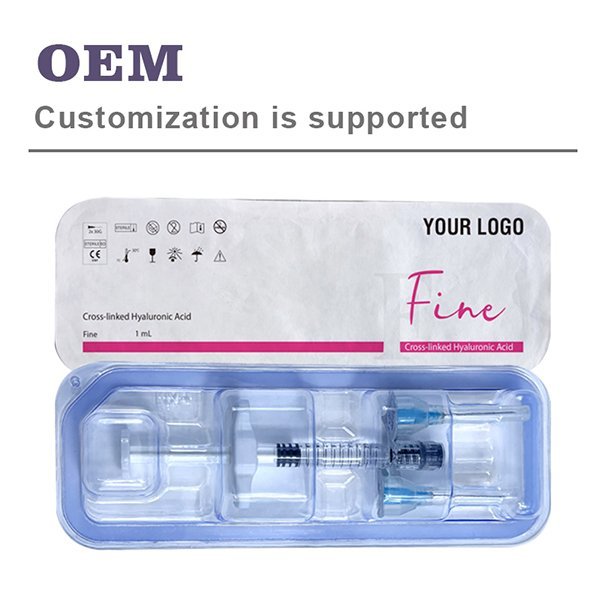
Por que a injeção de HA é usada em procedimentos cosméticos?
Talk to any serious distributor across pharmaceuticals, medical devices, or even luxury goods, and they all chase the same thing: a versatile, high-demand, and fundamentally sound product. Na medicina estética, that asset is Hyaluronic Acid (HA). Forget the fluffy beauty talk. Para jogadores B2B, HA isn’t just a filler; it’s the liquidity of the facial landscape. Think of it like this. In finance, cash flow keeps markets moving. In skin, HA is the body’s native hydrating currency, segurando 1,000 vezes seu peso em água. Every adult human has about 15 grams of it naturally, but that reserve depletes predictably with age, sol, and pollution. O mercado global de preenchimentos dérmicos, projected to hit USD 8.9 bilhão por 2027, runs on this simple principle of supply and demand. HA injections directly replenish this depreciating asset. It’s a biomimetic solution—your body already speaks its language, which drastically minimizes rejection risks and streamlines regulatory pathways compared to more exotic materials. Para você, o distribuidor, this translates to fewer client complications, smoother onboarding for new clinics, and a product story grounded in irrefutable human biology.
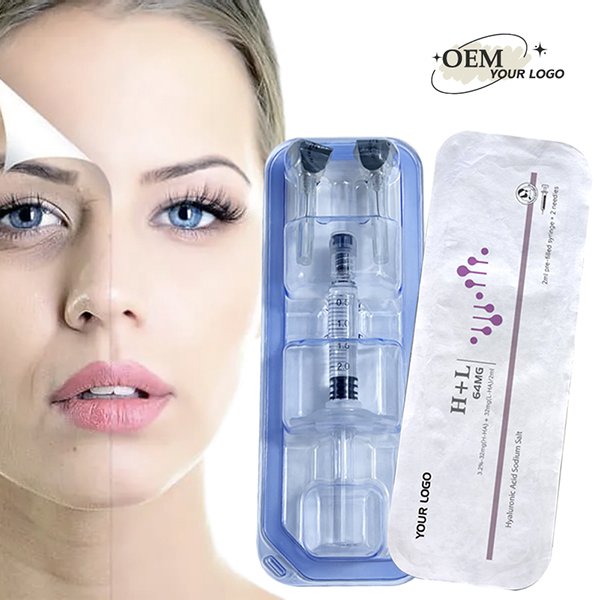
The Technical Evolution: From Basic Volumizer to Precision Tool
The early days of HA were about simple volume replacement. Hoje, it’s a precision engineering field. The game-changer is cross-linking technology—the process that determines how HA molecules are bonded, dictating product behavior. This isn’t monolithic. We now have a spectrum of HA “vehicles” for different applications. UM 2024 market analysis shows a clear segmentation: altamente reticulado, cohesive gels for structural contouring in cheekbones and chins; medium-density gels for smoothing nasolabial folds; and soft, baixo G’ gels for delicate lip enhancement and fine lines. The latest generation uses technologies like Sequential Cross-Linking or Nucleotide-based stabilization, offering longer duration—12 to 24 months—with more natural integration. For a clinic, this means one brand can service 80% of a patient’s facial rejuvenation needs. Para você, it means cross-selling and upselling within a single, trusted product line, maximizing your average order value and clinic stickiness.
HA vs. The Alternatives: A Clear-Cut Value Proposition
When pitching to clinics, they’re comparing you against collagen stimulators (como PLLA), CaHA, and permanent fillers. Here’s the distilled, real-time competitive analysis. HA’s unique selling proposition is its reversibility. If a result isn’t perfect, injecting hyaluronidase dissolves the product in hours. This is a safety net for practitioners and a massive liability reducer. Compare that to collagen stimulators, whose effects are gradual and non-reversible, or permanent fillers, which carry lifelong risk. The data from key opinion leader (KOL) surveys in 2024 indicates that over 73% of new practitioners start their filler journey with HA due to this safety profile. Além disso, HA’s compatibility with other modalities—it works synergistically with botulinum toxin, lasers, and energy-based devices—makes it the central pillar of combination treatments, which are now the standard in premium clinics.
| Feature/Criteria | Ácido Hialurônico (HA) | Hidroxilapatita de Cálcio (CaHA) | Ácido Poli-L-Lático (PLLA) | Permanent Fillers (por exemplo, PMMA) |
|---|---|---|---|---|
| Mecanismo Central | Direct volume replacement & hidratação | Volume + estimulação de colágeno | Biostimulatory (collagen production) | Permanent space-occupying |
| Time to Effect | Imediato | Imediato, with progressive improvement | Gradual (weeks to months) | Imediato |
| Duração | 6 para 24 meses (product-dependent) | 12-18 meses | Até 24+ meses | Permanente |
| Reversibilidade | Sim (via Hyaluronidase) | Não | Não | Não (surgical removal only) |
| Learning Curve for Practitioners | Moderado (for optimal results) | Mais alto | Mais alto | Mais alto (irreversible) |
| 2024 Global Demand Trend (B2B) | Sharply Rising (Foundation product) | Stable (Niche application) | Growing (Specific segments) | Declining (Due to risk profile) |
Sourcing for the Discerning Distributor: Beyond Price Per Milliliter
Your clinic clients are smarter. They’re not just buying a syringe; they’re investing in a system. They look for portfolio breadth, manufacturing pedigree, and clinical support. The top-tier manufacturers (like us) have moved past basic ODM. We offer integrated solutions: a range of viscosities and elasticities (G-prime), paired with matched blunt cannulas, detailed injection guides, and access to hands-on training. The raw material source matters. Non-animal, biofermented HA is the global standard, ensuring batch-to-batch consistency and eliminating zoonotic risk. Ask your supplier about their cross-linking agent (BDDE is the most studied and accepted), residual cross-linker levels (should be under 2 ppm), and sterility assurance. The leading factories now use automated filling lines and integrated terminal sterilization (like E-beam) that no small workshop can match. This is what supports your claim of a premium, seguro, and reliable product in a competitive tender.
Profissional Q&A para Distribuidores
1º trimestre: With new materials emerging, is HA becoming a commodity product with shrinking margins?
UM: Absolutamente não. HA is the foundation, but innovation is fierce. Margins are shifting from the basic gel to specialized formulations. Think of topical anaesthetic-combined HAs for painless injection, or lidocaine-free versions for sensitive patients. The growth is in niche, high-value products that solve specific clinical problems, allowing for premium pricing and protected margins for loyal distributors.
2º trimestre: How do I address clinic concerns about “cheio demais” looks from HA?
UM: This is an educational opportunity. O “cheio demais” look is often due to inappropriate product choice (too high G-prime for the area) or technique. Modern HA rheology allows for naturalistic results. Provide your clinics with comparison charts of your product portfolio’s indication areas and organize workshops on layered injection techniques. Positioning yourself as a knowledge partner, not just a vendor, builds indispensable relationships.
3º trimestre: What are the key regulatory documents I must have from my HA supplier for smooth import?
UM: This is critical. Demand a comprehensive dossier: 1) Free Sales Certificate (FSC) from the country of manufacture, 2) CE Marking (for EU) or FDA registration details (for the USA), 3) Full ISO 13485 certification of the manufacturing plant, 4) Certificado de Análise (CoA) for each batch specifying purity, sterility, and endotoxin levels, e 5) Biological Safety Evaluation Report (including genotoxicity, sensitization tests). A reputable manufacturer will have this ready and updated.