
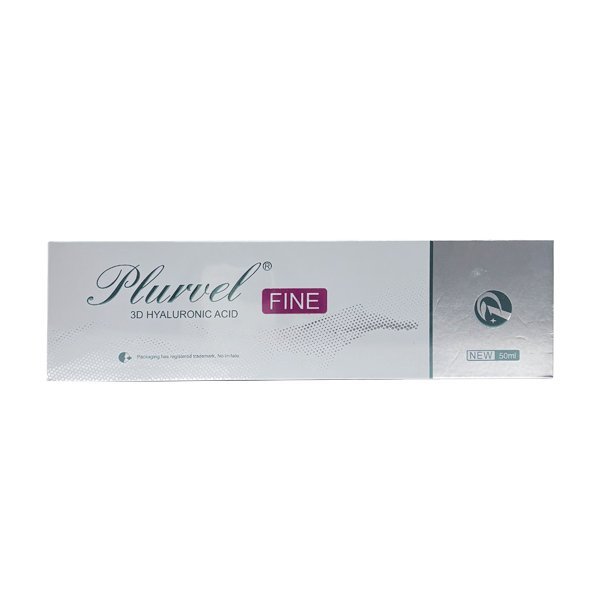
Boom da tecnologia de beleza: China’s Dermal Fillers Driving Global Aesthetic Economies
Tudo bem, vamos falar de fatos e números. You’re sourcing products to build or expand your aesthetics portfolio, and the data points squarely to China. Forget the old stereotypes. Em 2024, China isn’t just a manufacturing hub; it’s the engine for innovation in the global dermal filler market. The numbers tell the story: Chinese manufacturers now supply over 35% of the global hyaluronic acid (HA) filler raw material and are capturing a rapidly growing share of the finished product market, with export volumes growing at a CAGR of 18% year-over-year. Para um distribuidor, that’s not a trend; it’s a fundamental shift in the supply chain.
The New Gold Standard: Where Tech Meets Texture
Então, what are the top players in China doing differently? It boils down to a fusion of biotech precision and scalable manufacturing. We’re talking about highly purified, high molecular weight hyaluronic acid sourced from advanced fermentation processes. The real game-changer is in the cross-linking technology. Top Chinese labs have moved beyond basic BDDE methods to proprietary, low-modulus cross-linking. This creates a gel that integrates more naturally with tissue – think higher elasticity (G') and lower viscosity (G”). In practical terms, that means fillers that are supremely moldable for a practitioner, result in less swelling for the end-client, and maintain a soft, sensação natural. The product lines are hyper-specialized now. You’ll find specific formulations for ultra-fine peri-oral lines, high-support cheekbone profiles, and delicate under-eye treatments, all with tailored particle size and cohesion. For your B2B clients, this specialization allows them to offer targeted solutions, moving them from a generalist to a specialist practice.
Navigating Compliance and Cracking Markets
I know what your number one question is: “Are they compliant for my market?” The answer is increasingly “Sim,” but with critical due diligence. The leading Chinese manufacturers are no longer just aiming for China NMPA approval. They are investing millions to secure CE Marking under MDR (Medical Device Regulation) and have active 510(k) submissions with the US FDA. The key for you is to audit their quality management system. Ask for the certificates: ISO 13485 is the baseline. Look for those with on-site audits from European Notified Bodies. The packaging and IFU (Instruções de uso) are also tell-tale signs. Top-tier producers now offer multi-language, professionally translated IFUs with detailed injection techniques, complication management guides, and full ingredient transparency that meets EU and other regional labeling laws. This turns the product from a commodity into a partner-ready medical device for your surgeon clients.
The Logistics Edge and Customization Play
Here’s the operational advantage that often gets overlooked: integrated supply chain control. Major Chinese fillers producers own the process from bacterial strain selection to sterile filling in ISO Class 5 cleanrooms. This vertical integration does two things for you as a distributor. Primeiro, it guarantees batch-to-batch consistency – a non-negotiable for medical professionals. Segundo, it allows for remarkable flexibility. Quantidades mínimas de pedido (Quantidade mínima) are becoming more competitive, and lead times are beating traditional Western suppliers. We’re seeing a rise in successful OEM and private-label partnerships. A distributor can work with these factories to develop a co-branded line, with custom packaging, specific needle gauges (like 32G+ ultra-fine needles for precision work), and even tailored gel firmness for their geographic market preferences. It’s a move from being a reseller to being a brand owner.
The Data-Driven Distribution Future
The conversation is moving beyond just price per syringe. Smart distributors are leveraging the data capabilities of their manufacturing partners. Which SKU has the fastest turnover in the Middle East versus Southeast Asia? What’s the average units per procedure for lip augmentation in your network? Forward-thinking Chinese companies are providing distributors with market analytics, supporting them with real-time inventory management systems, and creating co-marketing material like 3D anatomy injection guides and digital patient consultation tools. The product is now part of a tech-enabled service package that helps your B2B clients grow their business. The future is in partnerships that offer not just a vial of gel, but a business development toolkit.
Quickfire Q&A for the Global Distributor
1º trimestre: What’s the real price advantage, and is it just about being cheaper?
UM: The advantage is in value density. Sim, there is a significant cost benefit at the manufacturing level, muitas vezes 25-40% compared to established Western brands, allowing for healthier distributor margins or competitive pricing. But it’s not just barato. The savings come from efficient, automated production and lower raw material costs, not from cutting corners on quality. This lets you compete on either price or profit, depending on your strategy.
2º trimestre: How do I verify quality and safety claims beyond certificates?
UM: Demand the dossier. A reputable factory will provide full technical files, including third-party lab test reports for sterility, níveis de endotoxina, pyrogen testing, and heavy metal residues. Ask for clinical observation reports or post-market surveillance data. Request samples for your own evaluation or to provide to a trusted key opinion leader (KOL) clinician in your network for hands-on assessment.
3º trimestre: Can these products truly compete with brands like Juvederm or Restylane in high-end clinics?
UM: The competition is no longer just on price; it’s on performance. Many top Chinese fillers use similar, or in some cases more advanced, tecnologia de reticulação. The entry point is often through specialized products (por exemplo, a superior under-eye filler or a longer-lasting lip product) that a clinic adopts to complement their existing portfolio. Once a practitioner sees the comparable results and patient satisfaction, full-line adoption follows. It’s a strategy of demonstration, not just declaration.
4º trimestre: What about after-sales support and complication management?
UM: This is a critical differentiator. Partner with manufacturers who offer comprehensive medical affairs support. They should provide 24/7 access to their clinical specialists for complication consultation, supply hyaluronidase (the antidote for HA fillers) either directly or through a clear protocol, and have transparent adverse event reporting systems. This support is essential for building clinician confidence and managing liability.