
Durante séculos, um bem definido, nariz equilibrado tem sido a base da estética facial, frequentemente perseguido através de rinoplastia cirúrgica invasiva. Hoje, uma revolução científica e artística está a remodelar esta paisagem – literalmente – sem um único bisturi. No centro desta transformação está uma molécula notável: Ácido Hialurônico (HA). Rinoplastia não cirúrgica, ou o “plástica no nariz líquida,” evoluiu de um simples procedimento de preenchimento para uma prática sofisticada baseada em profundo conhecimento anatômico, ciência avançada de biomateriais, e arte precisa. Este artigo investiga a ciência convincente por trás do HA, explorando como esta substância natural é aproveitada para esculpir com segurança e eficácia, definir, e corrigir a aparência do nariz.
A Fundação Molecular: Por que o ácido hialurônico é o agente ideal
O ácido hialurônico não é uma substância sintética estranha; é um glicosaminoglicano, uma molécula de açúcar encontrada abundantemente em todo o corpo humano - na pele, tecidos conjuntivos, e, notavelmente, no líquido sinovial das articulações e no humor vítreo do olho. Seu principal papel biológico é hidratação e manutenção do volume, como uma única molécula de HA pode se ligar a 1,000 vezes seu peso em água.
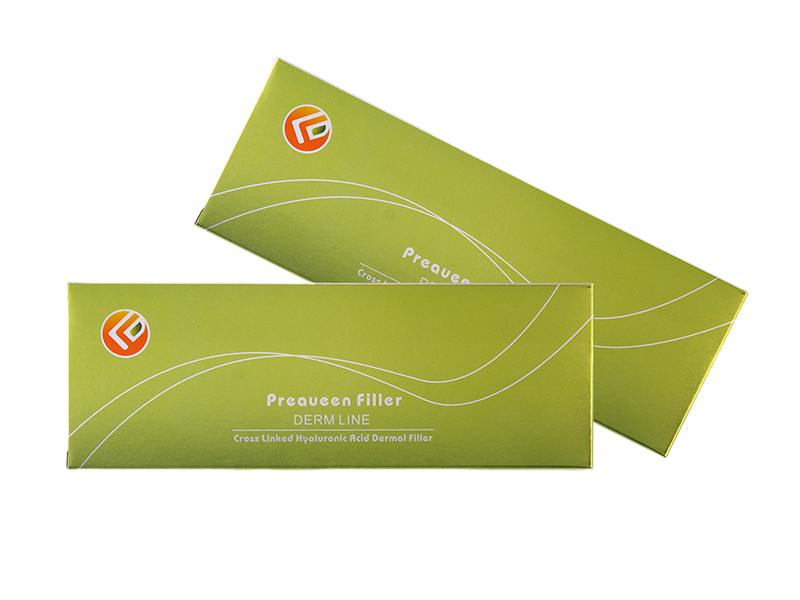
No contexto da rinoplastia não cirúrgica, esta biocompatibilidade inerente é a primeira vantagem crítica. O risco de reação alérgica é extremamente raro, como o HA é quimicamente idêntico em todas as espécies. No entanto, nem todos os HA são criados iguais para este procedimento delicado. Para injeção no nariz, O AH deve ser quimicamente modificado através de reticulação para resistir à rápida degradação pelas enzimas hialuronidases nativas do corpo.. Isto cria um preenchimento dérmico de ácido hialurônico—um gel com propriedades mecânicas específicas.
As principais considerações científicas para uso nasal incluem:
- Alto G-prime (G'): Isso mede um enchimento rigidez ou firmeza. A pele nasal é espessa e sebácea em algumas áreas (como a raiz e a ponta) mas fino e firmemente ligado à cartilagem subjacente em outros. Um preenchimento de alto G-prime fornece a capacidade de elevação e suporte estrutural necessários para remodelar o dorso nasal ou refinar a ponta sem migrar.
- Coesividade: Isso se refere a quão bem as partículas do produto se ligam. UM altamente coeso enchimento atua como um único, unidade integrada, permitindo ao praticante moldá-lo e moldá-lo com precisão. Isto é fundamental para criar imagens nítidas, linhas dorsais definidas e evitando um difuso, aparência inchada.
- Viscoelasticidade: Um equilíbrio de viscosidade (resistência ao fluxo) e elasticidade (capacidade de retornar à forma após deformação) permite que o preenchimento seja injetado suavemente e depois mantenha a forma pretendida sob os movimentos dinâmicos da expressão facial.
A seleção de uma carga com perfil reológico apropriado (suas características de fluxo e deformação) é a primeira decisão científica que impacta diretamente a segurança e longevidade do resultado.
A arte da escultura segura: Precisão Anatômica e Dinâmica de Injeção
O nariz é indiscutivelmente uma das áreas de maior risco para injeção de preenchimento devido à sua anatomia vascular complexa e densamente compactada. A principal preocupação de segurança é comprometimento vascular, o que pode ocorrer se o preenchimento for inadvertidamente injetado em uma artéria, levando à necrose tecidual (morte de pele) ou, em casos extremamente raros, fluxo retrógrado na artéria oftálmica causando cegueira. Portanto, a ciência do procedimento está intensamente focada em mitigação de riscos através do domínio anatômico.
Os praticantes devem ter uma intimidade, compreensão tridimensional dos principais vasos nasais, como a artéria nasal dorsal e a artéria angular. A ciência dita um protocolo rigoroso:
- Colocação suprapericondrial/supraperiosteal: O preenchimento deve ser depositado em um plano preciso – acima do pericôndrio da cartilagem ou do periósteo do osso. Tão profundo, plano avascular fornece um porto seguro para o produto e permite estabilidade, aumento de aparência natural.
- Cânula vs.. Técnica de Agulha: O debate é matizado. Agulhas afiadas permitem resultados mais precisos, colocação de bolus em tecido resistente, mas apresenta maior risco de penetração intravascular. Microcânulas de ponta romba são consideradas mais seguras para dissecção através de planos teciduais com menor risco de perfuração do vaso, embora exijam mais habilidade técnica para alcançar a definição. Muitos profissionais especializados empregam uma abordagem híbrida, usando agulhas para pontos de entrada precisos e cânulas para deposição mais ampla.
- Aspiração e Lentidão, Injeção de baixa pressão: Antes da injeção, o praticante puxa o êmbolo (aspiração) para verificar se há sangue, indicando possível entrada intravascular. O preenchimento é então injetado lentamente, com pressão mínima, em pequenas alíquotas para permitir que o material encontre o caminho de menor resistência dentro do plano correto.
UM 2023 revisão em Revista de Cirurgia Estética enfatizou que sobre 90% das principais complicações vasculares de preenchimentos faciais estão associados a alta pressão, injeções em bolus com agulha. Isso ressalta que a técnica do praticante, guiado pela ciência anatômica, é a variável mais crítica para a segurança.
Indicações, Técnica, e os limites da ciência
A rinoplastia não cirúrgica não é uma solução única para todos. Seu sucesso é governado por critérios anatômicos e de seleção de pacientes claros. A ciência define o que pode e o que não pode alcançar.
Principais indicações para rinoplastia HA:
- Corcundas Dorsais: O preenchimento injetado acima e abaixo de uma pequena protuberância pode criar a ilusão de um perfil mais reto, “camuflar” o destaque.
- Aumento da ponte nasal: Construir uma raiz e um dorso baixos ou planos para aumentar a projeção nasal e a altura da ponte.
- Refinamento e projeção de pontas: A injeção precisa na columela e na ponta nasal pode levantar, definir, e projetar uma ponta caída ou subprojetada.
- Correção de Assimetria Menor: Abordar assimetrias pós-cirúrgicas ou congênitas adicionando volume ao lado deficiente.
- Suavização de irregularidades de contorno: Preenchendo pequenas depressões ou saliências para uma linha dorsal mais suave.
Os Limites Científicos (Quando a cirurgia é indicada):
- Redução significativa de tamanho: HA não pode remover fisicamente tecido ou cartilagem.
- Principais questões estruturais: Desvio grave do septo nasal, comprometimento respiratório significativo (rinoplastia funcional), ou corcundas muito grandes requerem intervenção cirúrgica.
- Extremamente fino, Marcado, ou pele comprometida: A má qualidade da pele pode não mascarar adequadamente o preenchimento ou pode comprometer a vascularização.
O procedimento geralmente é realizado com anestésico tópico. Os resultados são imediato, embora um pequeno inchaço possa obscurecer o contorno final para 1-2 semanas. Os efeitos duram, em média, 12 para 18 meses, à medida que o HA é gradualmente metabolizado. Uma vantagem científica significativa é a reversibilidade; se um paciente estiver infeliz ou surgir uma complicação, injetando a enzima hialuronidase pode dissolver o enchimento de HA dentro 24-48 horas - uma cirurgia com rede de segurança não oferece.
Visão geral comparativa: Cirúrgico vs.. Rinoplastia Não Cirúrgica
| Recurso | Rinoplastia Não Cirúrgica (Preenchimento HA) | Rinoplastia Cirúrgica |
|---|---|---|
| Invasividade | Minimamente invasivo, baseado em agulha/cânula | Invasivo, requer incisões e alteração de tecido |
| Anestesia | Anestésico tópico/local | Normalmente anestesia geral |
| Tempo de procedimento | 15-45 minutos | 2-4 horas |
| Tempo de inatividade/recuperação | Mínimo; 24-48 horas de inchaço / hematomas | Significativo; 1-2 semanas de grande inchaço, talas por aproximadamente 1 semana |
| Resultados | Imediato, resultado final após o inchaço diminuir | Resultado final visível após 6-12 meses de cura |
| Reversibilidade | Sim, via injeção de hialuronidase | Não, irreversível |
| Objetivo principal | Adição de volume, camuflar, refinamento | Subtração/Redução, alteração estrutural |
| Custo | Menor por tratamento, mas recorrente | Custo único mais alto |
| Longevidade | Temporário (12-24 meses) | Permanente |
| Candidato Ideal | Buscando aprimoramento sutil, corrigindo pequenos problemas | Precisando de grande redução, correção estrutural, ou mudança permanente |
Profissional Q&UM: Respondendo a dúvidas comuns de especialistas
1º trimestre: Como a compreensão da longevidade do preenchimento de AH no nariz evoluiu com dados recentes?
Estudos longitudinais recentes (2022-2024) usando imagens volumétricas 3D sugerem que os preenchimentos de HA no nariz podem apresentar maior persistência do que em outras áreas faciais, muitas vezes duradouro 18-24 meses com produtos de alto G-prime. A teoria é que o relativamente imóvel, fibroso, e os planos avasculares do nariz levam à fagocitose mais lenta e à degradação enzimática do HA reticulado. No entanto, a técnica do profissional e a seleção do produto continuam sendo as maiores variáveis.
2º trimestre: Quais são os protocolos mais recentes baseados em evidências para o manejo de uma suspeita de oclusão vascular durante a injeção de preenchimento nasal?
O consenso, por 2023 Diretrizes do Conselho Internacional de Complicações de Preenchimento, é um protocolo imediato e agressivo: 1) Pare a injeção instantaneamente. 2) Injete hialuronidase generosamente no local e ao longo das vias suspeitas dos vasos – doses de 150-300 unidades são agora comumente recomendadas para garantir rápida, dissolução completa. 3) Iniciar compressas quentes e pasta tópica de nitroglicerina para estimular a vasodilatação. 4) Considere aspirina e esteróides orais. 5) Encaminhamento imediato a um oftalmologista ou hospital se ocorrerem sintomas visuais. O mantra é “tempo é visão,” e hialuronidase em altas doses é o tratamento de primeira linha inequívoco.
3º trimestre: Para um paciente com história prévia de rinoplastia cirúrgica, a correção não cirúrgica com AH é segura?
Proceda com extremo cuidado e selecione os pacientes meticulosamente. Embora seja excelente para corrigir pequenas assimetrias pós-cirúrgicas ou deficiências de contorno, a anatomia alterada apresenta riscos maiores. O tecido cicatricial pode perturbar as vias vasculares normais, tornando as embarcações mais tortuosas e imprevisíveis. Também pode causar distribuição desigual de enchimento. Uma história cirúrgica detalhada, uso de orientação de ultrassom por profissionais experientes, e uma abordagem conservadora com preenchimentos reversíveis são agora consideradas a melhor prática nestes casos complexos.
4º trimestre: Existem tecnologias emergentes ou formulações de AH projetadas especificamente para o nariz??
O mercado está vendo uma tendência para G-prime ultra-alto, enchimentos altamente coesivos explicitamente comercializado para “correção estrutural” e “rinoplastia.” Estes são caracterizados por um alto módulo de elasticidade, permitindo que eles se comportem mais como um implante sólido, proporcionando forte projeção na ponta e raiz. Além disso, o uso adjuvante de ultrassom de alta frequência está ganhando força. Permite ao médico visualizar o preenchimento em tempo real, confirme a colocação no plano correto, e, crucialmente, identificar vasos subjacentes a serem evitados - adicionando uma camada significativa de segurança ao procedimento.
Para concluir, a rinoplastia não cirúrgica é um testemunho da fusão entre inovação biomédica e arte estética. Não se trata apenas de injetar preenchimento no nariz; trata-se de aplicar uma compreensão profunda da biofísica molecular, anatomia em camadas, e estética dinâmica para alcançar um ambiente harmonioso, resultado de aparência natural. Para o candidato certo, oferece um poderoso, alternativa de baixo tempo de inatividade com um mecanismo de segurança integrado, mudando para sempre o panorama do aprimoramento estético facial. À medida que a ciência avança, com preenchimentos mais inteligentes e melhor orientação de imagem, a precisão, segurança, e os resultados deste procedimento continuarão a refinar a sua posição no mundo cosmético.