
Ao considerar o realce nasal, os pacientes de hoje enfrentam um dilema moderno: opte por uma rinoplastia cirúrgica tradicional ou experimente a cada vez mais popular rinoplastia líquida usando ácido hialurônico (HA) enchimentos. Ambos visam refinar a aparência do nariz – seja suavizando uma protuberância, levantando uma ponta caída, ou melhorar a simetria - mas suas abordagens, resultados, e as implicações diferem dramaticamente. Rinoplastia cirúrgica, a testada pelo tempo “plástica no nariz,”envolve mudanças estruturais permanentes sob anestesia, enquanto a rinoplastia líquida oferece uma solução não cirúrgica, correção temporária em ambiente clínico. À medida que aumenta o interesse em tratamentos minimamente invasivos, entender as nuances de cada opção torna-se essencial. Este guia completo se aprofunda em ambos os procedimentos, comparando suas técnicas, resultados, recuperação, custos, e adequação, capacitando você a fazer uma avaliação informada, decisão confiante para sua jornada estética.
Compreendendo a Rinoplastia Cirúrgica: O padrão ouro na remodelagem nasal
Rinoplastia cirúrgica, comumente conhecido como plástica no nariz, é um procedimento cirúrgico cosmético e/ou funcional que altera permanentemente o osso, cartilagem, e tecido do nariz. Realizado por um cirurgião plástico credenciado ou cirurgião plástico facial, requer anestesia geral ou sedação profunda. O cirurgião faz incisões (muitas vezes dentro das narinas ou através da columela em um “abrir” técnica) para acessar a estrutura nasal, permitindo uma redução precisa, aumento, ou reestruturação.
Este procedimento é a solução definitiva para preocupações estruturais significativas. Ele pode abordar:
- Principais corcundas dorsais: Reduzindo uma protuberância proeminente na ponte nasal.
- Refinamento da ponta nasal: Remodelando bulboso, caído, ou pontas assimétricas.
- Estreitando narizes largos: Osteotomias (fraturas ósseas controladas) estreitar os ossos nasais.
- Questões funcionais: Corrigindo um desvio de septo para melhorar a respiração (septorrinoplastia).
- Grande assimetria ou trabalho de revisão: Correção de resultados cirúrgicos anteriores ou trauma significativo.
Os resultados de uma plástica no nariz são permanentes, com a forma final tornando-se aparente após um ano inteiro à medida que o inchaço diminui. É uma verdadeira reconstrução, oferecendo um nível de mudança que os métodos não cirúrgicos não podem replicar.
A ascensão da rinoplastia líquida: Remodelagem não cirúrgica do nariz com preenchimentos
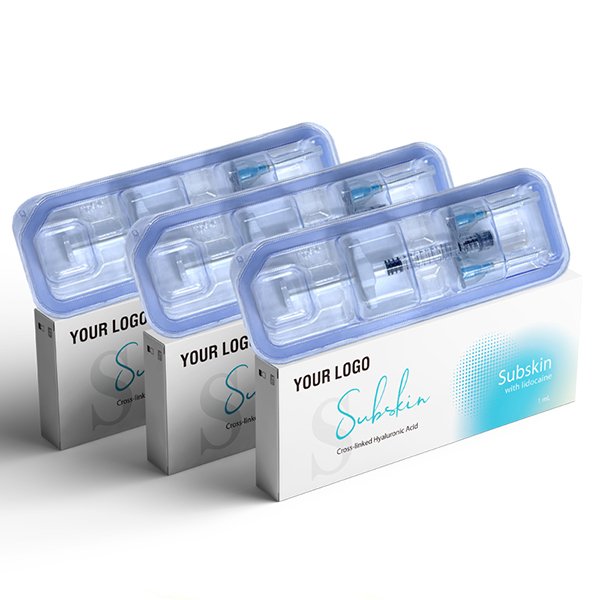
A rinoplastia líquida é um procedimento minimamente invasivo que utiliza preenchimentos dérmicos injetáveis, mais comumente preenchimentos à base de ácido hialurônico como Juvederm ou Restylane, para alterar a forma do nariz. Realizado por um injetor qualificado (muitas vezes um dermatologista ou cirurgião plástico) em uma visita ao escritório levando 15-45 minutos, não envolve bisturis ou anestesia geral. Usando uma agulha fina ou cânula, o fornecedor coloca estrategicamente o preenchimento para camuflar as saliências, levante a ponta nasal, endireitar uma aparência torta, ou adicione volume.
Esta técnica é mais adequada para adicionando volume ou mascarando imperfeições, não para reduzir o tamanho. Os candidatos ideais são aqueles com:
- Uma protuberância dorsal leve a moderada que desejam disfarçar preenchendo a área acima e abaixo dela.
- Uma ponta nasal caída (especialmente quando sorri) que pode ser levantado ligeiramente.
- Assimetria menor ou recortes.
- Um desejo por uma linha de ponte mais reta.
- UM “escavado” ou aparência excessivamente ressecada de uma cirurgia anterior.
A principal vantagem é a falta de tempo de inatividade – os pacientes normalmente podem retornar às atividades normais imediatamente, com apenas um pequeno inchaço ou hematoma. Os resultados são imediatos, mas temporário, durando de 9 para 18 meses em média antes que o corpo metabolize o preenchimento de ácido hialurônico.
Comparação cara a cara: Procedimento, Resultados, e recuperação
Para ilustrar claramente as diferenças fundamentais, a tabela abaixo contrasta os aspectos centrais de cada procedimento.
| Recurso | Rinoplastia Líquida (Preenchimentos HA) | Rinoplastia Cirúrgica |
|---|---|---|
| Invasividade | Não cirúrgico, minimamente invasivo | Cirúrgico, invasivo |
| Anestesia | Somente creme anestésico tópico | Anestesia geral ou sedação intravenosa |
| Tempo de procedimento | 15 – 45 minutos | 1.5 – 3+ horas |
| Mecanismo | Adiciona volume usando preenchimento injetável | Remove, remodela, e/ou adiciona osso/cartilagem |
| Tempo de inatividade | Mínimo; possíveis hematomas / inchaço por dias | Significativo; 1-2 semanas de folga do trabalho, inchaço por meses |
| Cronograma de Resultados | Imediato, ideal após o desaparecimento de um pequeno inchaço | Gradual; resultados finais visíveis após 12-18 meses |
| Longevidade | Temporário (9-18 meses) | Permanente |
| Reversibilidade | O preenchimento pode ser dissolvido com hialuronidase | Em grande parte irreversível; cirurgia de revisão possível |
| Objetivo principal | Camuflar, aumento sutil, alisamento menor | Grande remodelação, redução, correção estrutural |
| Custo (NÓS. Média) | $600 – $2,500 por sessão | $5,000 – $15,000+ (cirurgião, instalação, taxas de anestesia) |
| Candidato Ideal | Busca mudanças sutis, tem pequenas imperfeições, teme cirurgia | Precisa de redução significativa ou mudança estrutural, busca solução permanente |
Principal vantagem: A rinoplastia cirúrgica é uma reconstrutivo procedimento com resultados permanentes e recuperação significativa. A rinoplastia líquida é uma contorno procedimento com resultados temporários e tempo de inatividade mínimo. Eles não são intercambiáveis, mas atendem a diferentes necessidades dos pacientes.
Avaliando Riscos, Custos, e fazendo a escolha certa
Ambos os procedimentos apresentam perfis de risco distintos. Para rinoplastia líquida, embora complicações graves sejam raras, eles podem ser graves. Os riscos incluem oclusão vascular (onde o preenchimento bloqueia um vaso sanguíneo, potencialmente levando à necrose da pele ou cegueira), assimetria, correção excessiva, e granulomas. O principal fator de segurança é a experiência do injetor em anatomia vascular nasal. Uma grande vantagem é que os enchimentos de HA podem ser dissolvidos se surgir algum problema.
Rinoplastia cirúrgica carrega riscos cirúrgicos padrão: complicações da anestesia, infecção, sangramento, cicatrizes, e má cicatrização de feridas. Riscos nasais específicos incluem dificuldades respiratórias, dormência, perfuração septal, e a necessidade de cirurgia de revisão (5-15% de casos). Os resultados não são facilmente “desfeito.”
A diferença de custo é substancial, mas deve ser vista no contexto. A taxa única para cirurgia é alta, mas é um investimento permanente. A rinoplastia líquida tem um custo inicial mais baixo, mas requer tratamentos repetidos a cada 1-2 anos para manter os resultados, que pode aumentar significativamente ao longo de uma década.
Como escolher:
- Escolha Rinoplastia Líquida se: Você deseja um ajuste sutil, tem uma pequena colisão ou queda, deseja testar uma mudança potencial antes de se comprometer com a cirurgia, tem um forte medo de cirurgia / cicatrizes, ou não pode arcar com o tempo de inatividade.
- Escolha Rinoplastia Cirúrgica se: Você deseja reduzir o tamanho geral do seu nariz, têm grandes problemas estruturais ou funcionais, desejo uma mudança dramática, ou buscar um definitivo, solução permanente.
Uma consulta com um profissional certificado– seja um cirurgião plástico que oferece ambas as opções ou um dermatologista para avaliação do preenchimento – não é negociável. Eles podem avaliar sua anatomia nasal, espessura da pele, e metas para recomendar o mais seguro, caminho mais eficaz.
Profissional Q&UM: Seu líquido vs.. Perguntas sobre cirurgia cirúrgica do nariz respondidas
1º trimestre: A rinoplastia líquida pode eventualmente substituir a necessidade de plástica no nariz?
UM: Não. Embora a popularidade da rinoplastia líquida esteja crescendo, serve um papel complementar e não de substituição. Não pode reduzir o tamanho nasal, narinas estreitas e largas, ou corrigir problemas estruturais ou funcionais significativos. A rinoplastia cirúrgica continua sendo a única solução para, remodelação permanente. Dados da indústria da Sociedade Americana de Cirurgiões Plásticos (ASPS) mostra que enquanto os procedimentos minimamente invasivos crescem, A rinoplastia cirúrgica continua constantemente em demanda, com mais 352,000 procedimentos realizados em 2022 nos EUA. sozinho.
2º trimestre: A rinoplastia líquida com preenchimentos é segura? Qual é o risco mais sério?
UM: Quando realizado por um profissional médico habilmente treinado e com profundo conhecimento da anatomia facial, geralmente é seguro. O mais sério, embora raro, risco é comprometimento vascular. Injeção inadequada pode encher acidentalmente uma artéria, bloqueando o fluxo sanguíneo. Isso pode levar à necrose tecidual (morte de pele) no nariz ou, se o preenchimento viajar retrógrado para a artéria da retina, cegueira permanente. Isto ressalta a importância crítica de escolher um injetor com características específicas, treinamento avançado em técnicas de preenchimento nasal.
3º trimestre: Como a recuperação e a dor se comparam entre os dois procedimentos?
*UM:* Rinoplastia Líquida:** A recuperação é mínima. O desconforto é limitado às picadas de agulha (mitigado por creme anestésico). Os pacientes podem sentir sensibilidade, inchaço, e hematomas para 3-7 dias. A maioria retorna às atividades sociais imediatamente, usando maquiagem para esconder qualquer hematoma.
- Rinoplastia Cirúrgica: A recuperação é significativa. A primeira semana envolve dor controlada por medicação, inchaço e hematomas significativos (pico no dia 2-3), talas, e possível tamponamento nasal. Atividades extenuantes são evitadas para 4-6 semanas. Embora a maior parte do tempo de inatividade social termine depois 2 semanas, inchaço sutil persiste por meses, com a forma final se estabelecendo após um ano ou mais.
4º trimestre: Os resultados da rinoplastia líquida são verdadeiramente reversíveis??
UM: Sim, esta é uma das principais vantagens de usar preenchimentos à base de ácido hialurônico. Uma enzima chamada hialuronidase pode ser injetado para dissolver rapidamente o preenchimento de HA se o paciente não estiver satisfeito com os resultados ou se ocorrer uma complicação como oclusão vascular. Esta reversibilidade oferece uma “rede de segurança” não disponível com resultados cirúrgicos ou preenchimentos permanentes. No entanto, o processo de dissolução em si deve ser feito com cuidado para evitar afetar o AH natural do corpo.
Q5: Com base nos dados mais recentes, qual é a comparação de custos a longo prazo?
UM: Vamos projetar para um período de 10 anos, usando os EUA. custos médios:
- Rinoplastia Cirúrgica: Custo único de $8,000 (estimativa intermediária).
- Rinoplastia Líquida: Tratamento inicial $1,500, repetido a cada 15 meses (média). Sobre 10 anos, isso equivale a aproximadamente 7 tratamentos, totalizando ~$ 10.500.
Este modelo simplificado mostra que embora a cirurgia tenha um custo inicial mais elevado, rinoplastia líquida pode ficar mais cara com o tempo. Também não leva em conta potenciais aumentos de preços ou o risco cumulativo de injeções repetidas. A escolha passa pela valorização da permanência versus flexibilidade e menor investimento inicial.