
So, you’ve booked your dermal filler appointment. Whether it’s to enhance your lips, smooth out nasolabial folds, or restore volume to your cheeks, this decision marks an exciting step towards achieving your aesthetic goals. However, the journey to a beautiful, natural-looking result doesn’t begin in the treatment chair—it starts days, even weeks, before.
Proper preparation is the unsung hero of a successful dermal filler experience. It’s the difference between a smooth procedure with minimal downtime and a rocky one with unexpected complications. Think of it as preparing for a important presentation or a marathon; the groundwork you lay determines your performance and outcome. This comprehensive checklist is designed to guide you through every essential step, ensuring you walk into your appointment informed, prepared, and ready for the best possible results. Let’s get you prepared.
Understanding Dermal Fillers and Why Preparation Matters
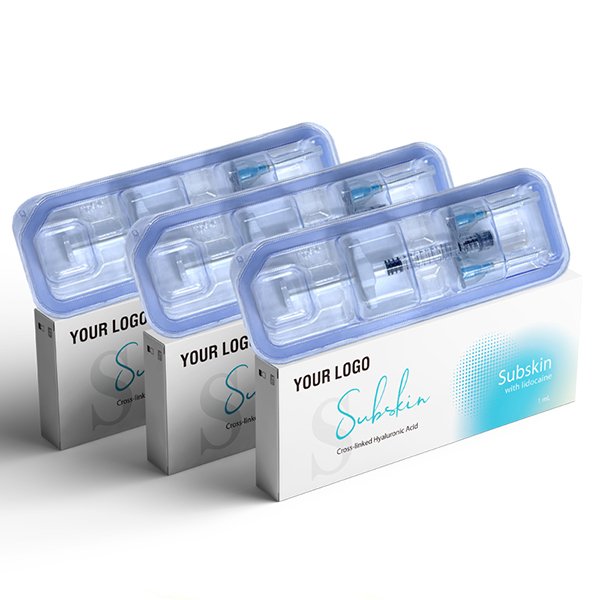
Dermal fillers, primarily composed of substances like Hyaluronic Acid (HA), are gel-like injectables used to restore volume, soften lines, and enhance facial contours. They work by integrating into your skin’s architecture, drawing in moisture and providing support. While the injection process itself is relatively quick, your body’s response to it is an active biological process. This is where your pre-treatment actions become critical.
Preparation optimizes your body’s canvas. It minimizes potential risks such as excessive bruising, swelling, and bleeding, which can interfere with the injector’s precision and affect initial results. More importantly, it sets the stage for optimal healing and integration of the filler. By following a structured pre-treatment plan, you actively participate in your own safety and satisfaction. It demonstrates to your practitioner that you are a committed partner in the process, allowing them to work with greater confidence and precision on a well-prepared patient.
The Medical Preparation: Your Health & Medication Review (2+ Weeks Prior)
This is the most crucial phase of your preparation. An open and honest conversation with your provider about your health is non-negotiable.
Consultation is Key: Your journey must begin with a thorough consultation with a qualified, licensed medical professional—a dermatologist or plastic surgeon. This is not a mere formality. During this meeting, discuss your medical history in detail. Be transparent about any conditions, especially:
- Autoimmune diseases
- Herpes simplex virus (cold sores) – crucial for lip treatments
- Bleeding disorders
- Allergies, particularly to bacterial proteins or lidocaine
- Previous facial surgeries or treatments
Medication & Supplement Pause: Many common substances act as blood thinners, increasing the risk of bruising and bleeding. Your provider will give you a specific list, but common items to avoid typically include:
| Category | Examples (Common Brands) | General Guideline for Discontinuation |
|---|---|---|
| NSAIDs | Ibuprofen (Advil, Motrin), Naproxen (Aleve), Aspirin | 1-2 weeks before treatment |
| Blood Thinners | Warfarin (Coumadin), Clopidogrel (Plavix) – DO NOT stop prescription meds without explicit guidance from your prescriber. | As directed by your doctor & injector |
| Supplements | Vitamin E, Fish Oil/Omega-3s, Ginkgo Biloba, St. John’s Wort, Garlic, Ginseng | 2-3 weeks before treatment |
Important: You must never discontinue prescribed medications without the explicit consent of the doctor who prescribed them. Your aesthetic provider will collaborate with your primary care physician if needed.
Pre-Treatment Prophylaxis: If you have a history of cold sores (herpes simplex), your provider will likely prescribe an antiviral medication like Valtrex to take before and after treatment to prevent an outbreak triggered by the injections.
Lifestyle & Dietary Adjustments for Optimal Results
In the week leading up to your appointment, your daily habits can significantly influence your treatment day and recovery.
Diet and Hydration: Start aggressively hydrating. Drink plenty of water in the days before your appointment. Well-hydrated skin is more supple, can heal better, and helps Hyaluronic Acid fillers perform optimally. Reduce your intake of salt, processed foods, and excessive sugars, which can contribute to inflammation and swelling. Focus on a clean, anti-inflammatory diet rich in fruits, vegetables, and lean proteins.
Alcohol and Caffeine: Avoid alcohol for at least 48-72 hours before your appointment. Alcohol is a vasodilator (expands blood vessels) and can increase the risk of bruising and swelling. Similarly, limit caffeine the day before and day of treatment, as it can also contribute to dehydration and potentially heighten anxiety.
Skin Preparation: Avoid aggressive facial treatments like chemical peels, laser therapy, or deep exfoliation for at least two weeks prior. Keep your skin clean and moisturized. If your provider has recommended or provided medical-grade skincare products (like topical Arnica or certain growth factors), begin using them as instructed.
Stress and Rest: Prioritize good sleep and stress-management techniques. Being well-rested helps your immune system function optimally for healing. High stress can elevate cortisol levels, which may negatively impact inflammation and recovery.
The Final Countdown: 24-48 Hours Before Your Appointment
You’re in the home stretch. Now is the time for final adjustments.
Final Substance Avoidance: Double-down on avoiding alcohol, NSAIDs (like ibuprofen), and any remaining supplements on your “pause” list. If you need pain relief, acetaminophen (Tylenol) is generally considered safe but always confirm with your provider.
Logistics: Plan your travel. Ensure you have a way to get to and from your appointment comfortably. You will be able to leave on your own, but it’s wise not to schedule a high-stress work presentation or a major social event immediately afterward.
Prepare Your Recovery Kit: Have the following items ready at home:
- Cooling Packs/Gel Packs: For intermittent gentle cooling to reduce swelling.
- Acetaminophen (Tylenol): For any discomfort post-treatment.
- Arnica Montana tablets or gel: A homeopathic remedy believed to help reduce bruising.
- Soft, easy-to-eat foods: If you’re having lip filler.
- A clean pillowcase: To rest your freshly treated face on at night.
Mental Preparation: Review your goals with your provider’s before-and-after photos. Go in with realistic expectations. Dermal fillers provide enhancement and correction, not perfection. Initial swelling is normal, and final results emerge after settling.
Your Treatment Day: What to Do and What to Expect
The day has arrived! Here’s how to navigate it smoothly.
Morning Of:
- Cleanse: Gently wash your face with a mild cleanser. Do not apply makeup, moisturizer, or sunscreen to the treatment areas unless instructed otherwise by your clinic.
- Eat: Have a light, nutritious meal before your appointment. This helps stabilize blood sugar and prevents lightheadedness.
- Hydrate: Drink water, but avoid excessive caffeine.
- Dress Comfortably: Wear loose, comfortable clothing. A top that buttons or zips is ideal so you don’t have to pull anything over your head after treatment.
During the Appointment:
Your provider will likely clean your face again with an antiseptic solution. They may apply a topical numbing cream for comfort. The injections themselves are typically quick, involving a series of small, precise injections. You may feel slight pressure or a brief sting. Communication is key—let your provider know if you feel any significant pain.
Immediate Aftercare Instructions (First 24-48 Hours):
Your provider will give you specific instructions, but universal rules include:
- Ice Gently: Apply cool packs intermittently (10 minutes on, 20 minutes off) to reduce swelling.
- Avoid Touching: Do not massage or manipulate the area unless specifically directed by your provider.
- Stay Upright: Avoid bending over intensely or lying flat for several hours.
- Skip the Gym: Avoid strenuous exercise, excessive heat (saunas, hot showers), and alcohol for 24-48 hours.
- Be Gentle: Use a gentle cleanser and avoid makeup on the area for at least 12-24 hours.
Professional Q&A: Your Dermal Filler Concerns Addressed
Q1: How painful is the dermal filler procedure, and what is done to manage discomfort?
A: Most patients describe the sensation as a brief pinch or sting. Modern fillers are often pre-mixed with lidocaine, a local anesthetic, which significantly numbs the area during and immediately after injection. Additionally, providers frequently apply a topical numbing cream 15-30 minutes prior to treatment. For highly sensitive areas or patients, other pain management options may be available. Communication with your injector is key—if you’re uncomfortable, let them know.
Q2: How long do results typically last, and what factors influence longevity?
A: Longevity varies based on the product used, the treatment area, and individual patient metabolism. For popular Hyaluronic Acid fillers:
- Lips: Typically 6-9 months.
- Cheeks/Midface: 12-18 months or longer.
- Nasolabial Folds: 9-12 months.
Lifestyle factors play a huge role. Sun exposure, smoking, and high metabolic rates (from intense exercise) can break down filler more quickly. Consistent skincare and maintenance touch-ups, as recommended by your provider, can help sustain results.
Q3: What are the most common side effects, and how can I tell if something is wrong?
A: Common, expected side effects include temporary redness, swelling, tenderness, and bruising at injection sites. These usually resolve within 3-7 days. Less common but more serious complications include vascular occlusion (a blockage of a blood vessel), infection, or nodules. Seek immediate medical attention if you experience: intense pain, white or blanched skin around the treatment area that does not resolve, vision changes, or signs of skin infection (increasing redness, heat, pus, fever). Choosing an experienced, medical-grade provider is your best defense against serious complications, as they possess the anatomical knowledge to avoid vessels and the expertise to manage emergencies.
Q4: If I don’t like my results, can filler be reversed?
A: Yes, one of the significant safety advantages of Hyaluronic Acid (HA) fillers is that they can be dissolved using an enzyme called hyaluronidase. This injection breaks down the HA filler, typically within 24-48 hours. It is a valuable tool for correcting over-treatment, asymmetry, or misplaced product. This reversibility is a key reason to choose HA fillers over non-HA options. Always confirm with your provider that they have hyaluronidase readily available in the clinic.
By meticulously following this pre-treatment checklist, you are not just preparing for an appointment—you are investing in your safety, comfort, and the ultimate success of your aesthetic treatment. Your proactive approach empowers your provider to deliver their best work, paving the way for a confident and beautiful you.