
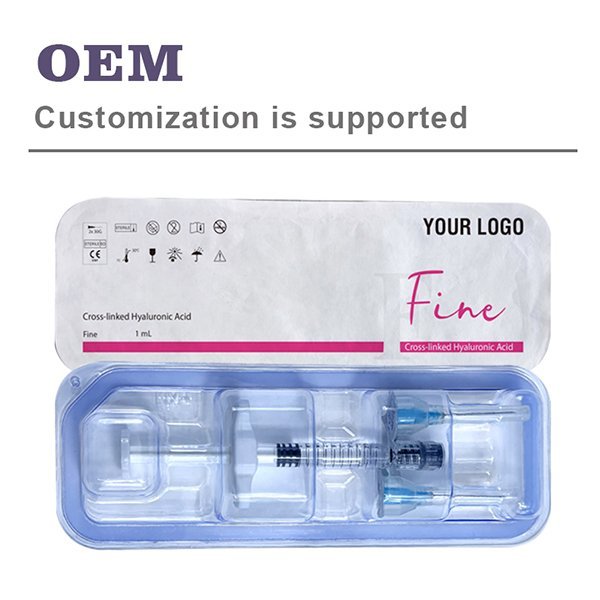
그래서, What Exactly is a Diphasic Gel Filler and Why Do Injectors Swear By It?

바로 본론으로 들어가자. In your hand, you might have a syringe of monophasic filler—a single, homogeneous gel. 지금, imagine a filler that combines two distinct phases: a dense, cross-linked gel particulate phase suspended within a softer, cohesive gel matrix. That’s the diphasic system. Think of it not as a simple mixture, but as a precisely engineered suspension. This architecture isn’t an accident; it’s borrowed from high-stakes industries. The logic mirrors how smartphones layer hardened glass over a responsive touch layer, or how composite materials in aerospace combine rigidity and flexibility. For a cosmetic practitioner, this means one product delivers two primary actions upon injection. The integrated particulate gel provides immediate structural support and lift for deep folds (팔자주름처럼) or facial contouring (궁둥이, 턱). Simultaneously, the surrounding gel matrix integrates smoothly into the tissue for hydration and fine-line correction. 결과? A versatile tool that addresses multiple aging concerns with natural-looking, 지속적인 결과. 당신을 위한, 배포자, this translates into a product with a wider application range, simplifying inventory and meeting more of your clinic clients’ needs with a single SKU.

The Manufacturing Edge: Why This Tech is a B2B Game-Changer
We need to talk about what this means behind the scenes—in the factory and on your balance sheet. Producing a stable, sterile diphasic gel is a feat of precision engineering. It requires advanced homogenization and cross-linking technology to ensure the particulate phase remains uniformly suspended without settling, guaranteeing consistency in every single syringe. This isn’t just mixing; it’s controlled rheology. For a B2B partner, this technical barrier to entry is your competitive moat. It means the market isn’t flooded with low-quality equivalents. Clinics and surgeons sourcing from you are buying predictability: they know that each injection will offer the same balance of lift and integration, procedure after procedure. 뿐만 아니라, the durability profile of diphasic fillers, often cited in clinical studies to last 12-18 개월, creates a predictable repurchase cycle for clinics. You’re not just selling a consumable; you’re providing a reliable engine for your clients’ recurring revenue. From a logistics standpoint, high patient satisfaction with these results directly fuels re-orders and brand loyalty for your distribution network.
2024 Global Market Realities: Data-Driven Opportunities for Distributors
Let’s ground this in numbers. 글로벌 필러 시장은 단순히 성장하는 것이 아니다; it’s segmenting, with technology-laden products like diphasic gels capturing premium positioning. Here’s a snapshot of the landscape relevant to your strategic planning:
| 미터법 | 데이터 | B2B 유통업체에 대한 시사점 |
|---|---|---|
| Global Filler Market Value (2024) | USD 7.8 Billion | Indicates a large, established market with room for premium product penetration. |
| 예상 CAGR (2024-2030) | 9.1% | Sustained growth ensures long-term product viability. |
| Market Share of Hyaluronic Acid (하아) 필러 | >80% | HA-based diphasic fillers operate in the dominant, trusted material segment. |
| 주요 성장 동인 | Demand for Non-Surgical, Long-Lasting Results | Diphasic fillers directly meet this core consumer demand. |
| Top Importing Regions for Aesthetic Products | 북아메리카, Western Europe, 대한민국, 중동 (UAE, KSA) | Target markets with established regulatory pathways and high clinic density. |
| Critical Purchase Factor for Clinics | Product Consistency & Complication Profile | Diphasic gels from certified manufacturers offer a superior safety/efficacy record. |
The data is clear. Distributors aligning with technologically advanced, reliable diphasic filler manufacturers are positioned to capture value in the market’s most profitable segments. The focus in key importing regions has shifted from the cheapest option to the most reliable and effective. Clinics are investing in products that minimize downtime and maximize patient outcomes, as this protects their reputation and drives referrals. Your role is to supply that certainty.
Beyond the Face: Expanding Applications and Regulatory Navigation
The story doesn’t end with facial aesthetics. The biphasic property—firm support within a malleable carrier—is pioneering off-label uses that open new B2B verticals. We’re seeing increased use in hand rejuvenation to restore lost volume over tendons, in decolletage treatments, and even for subtle earlobe reconstruction. Each application represents a new conversation with a different specialist within a clinic. 당신을 위한, this means more cross-selling opportunities per client. 하지만, this expansion is tightly governed by regional regulations (FDA, CE, 은드와, 식약청, 등.). A professional manufacturer doesn’t just supply the gel; they provide the essential regulatory documentation, batch-specific certificates of analysis, and post-market surveillance data you need to clear customs and assure your clinic clients. ~ 안에 2024, a distributor’s value is increasingly tied to their ability to navigate this complex web, not just move boxes. Partnering with a manufacturer that has robust, transparent regulatory compliance is no longer optional; it’s the core of a sustainable B2B business in medical aesthetics.
프로페셔널Q&대리점을 위한 A
큐: For a distributor new to aesthetics, what’s the single biggest advantage of stocking diphasic over monophasic fillers?
에이: Portfolio efficiency. A well-chosen diphasic filler can often serve 70-80% of a clinic’s volumizing and lifting needs, simplifying your inventory and their ordering process. It’s a versatile “일꾼” product that reduces the need for clinics to stock multiple specialized fillers, making you a more strategic partner.
큐: How does the viscosity (G') of the particulate phase in diphasic fillers impact clinical use and my sales strategy?
에이: Higher viscosity (high G’) particulate gel provides stronger lift for deep folds and structural contouring. In your portfolio, you can position a high-G’ diphasic filler for mid-to-deep dermal placement (궁둥이, 턱) and a medium-G’ option for more moderate correction. This allows you to offer tiered solutions without venturing into entirely different product categories.
큐: We face price competition from generic monophasic fillers. How do we justify the premium for diphasic technology?
에이: Shift the conversation from price-per-syringe to value-per-procedure. Present clinical data showing longer duration (less frequent touch-ups), higher patient satisfaction scores, and the practitioner’s time saved by using one product for dual purposes (승강기 + 완성). Frame it as a tool that increases clinic revenue and efficiency, not just a cost.
큐: Are there specific storage or handling logistics for diphasic fillers that differ from other fillers?
에이: The core requirements (room temperature, avoid freezing/direct sunlight) are similar. The key differentiator is stability. A properly manufactured diphasic gel will show no phase separation over its shelf life. Your manufacturer should provide stability data. Your sales pitch should emphasize this consistency as a mark of quality assurance.
큐: 생체자극성 필러의 등장으로 (예를 들어, PLLA, 카하), is HA-based diphasic technology still relevant?
에이> 전적으로. They serve different mechanisms. Biostimulators work gradually by stimulating collagen. Diphasic HA fillers provide immediate, predictable correction with hyaluronidase as a “safety switch.” They are complementary, not competing. A robust distributor portfolio will include both, allowing clinics to offer tailored treatment plans. The instant results and reversibility of diphasic HA fillers ensure their permanent place in the treatment algorithm.