
Introduction to Non-Surgical Rhinoplasty: The Modern Approach to Nose Enhancement
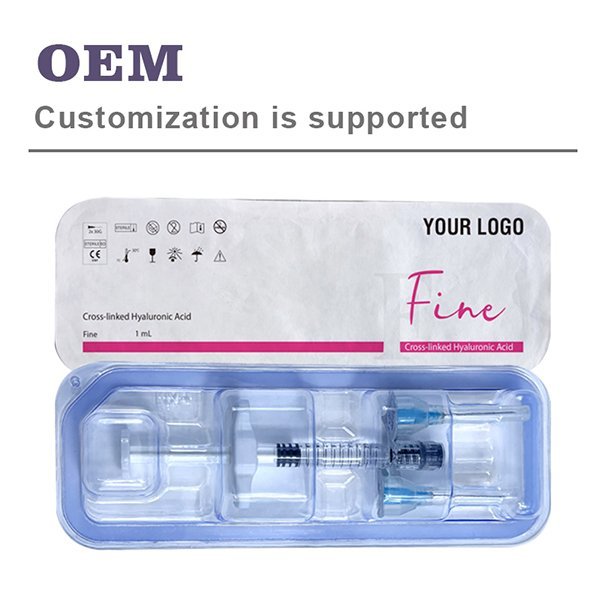
최근에는, the field of cosmetic enhancement has witnessed a significant shift towards minimally invasive procedures, with non-surgical rhinoplasty emerging as one of the most sought-after treatments. Often called a “liquid nose job” 또는 “15-minute nose job,” this procedure utilizes dermal fillers, primarily hyaluronic acid (하아) based, to reshape, 윤곽, and correct imperfections of the nose without the need for surgery. Unlike traditional surgical rhinoplasty, which involves anesthesia, 절개, bone and cartilage restructuring, and a lengthy recovery period, the non-surgical version offers a compelling alternative for individuals seeking subtle to moderate refinements with immediate results and minimal downtime. The global fascination with this procedure is reflected in its surging popularity. 미국성형외과학회에 따르면, non-surgical cosmetic procedures saw a substantial rise post-2020, with soft tissue fillers (a category including HA fillers) remaining consistently among the top five minimally invasive procedures performed annually. The appeal is clear: it addresses common concerns like dorsal humps, droopy tips, 어울리지 않음, and flat bridges with precision and reversibility, fundamentally changing the landscape of facial aesthetics.
히알루론산의 과학: Why It’s the Gold Standard for Dermal Fillers
To understand the efficacy of a hyaluronic acid filler nose job, one must first understand the molecule at its core. Hyaluronic acid is a naturally occurring sugar molecule (a glycosaminoglycan) found abundantly throughout our bodies, particularly in the skin, 결합 조직, 그리고 눈. Its primary function is to retain water—one gram of HA can hold up to six liters—providing volume, 수화, 구조적 지원. This inherent biocompatibility is what makes HA fillers the preferred choice for non-surgical rhinoplasty. The body recognizes it, and there is no risk of long-term rejection.
Modern HA fillers, 하지만, are not simply extracted and injected. They are engineered in laboratories through a cross-linking process that binds the HA molecules into a cohesive gel. This cross-linking determines the filler’s key properties: 점도 (두께), 탄력 (how well it bounces back), 그리고 G-프라임 (firmness or lifting capacity). For nasal procedures, clinicians typically select fillers with a high G-prime. These firmer gels provide the necessary structural integrity to lift, 지원하다, and define the nasal framework without migrating. Popular brands used for non-surgical rhinoplasty include Juvéderm Voluma, 레스틸렌 리프트, 벨로테로 밸런스, each with slightly different characteristics tailored for precise placement. 한번 주사하면, the gel integrates into the tissue, instantly adding volume and smoothing contours. 시간이 지남에 따라 (일반적으로 9 에게 18 개월), the HA is gradually and safely metabolized by the body’s natural enzymes, reverting the nose to its original state—a feature that offers both a safety net and an opportunity for revision.
The Procedure Decoded: 상의, 기술, 그리고 무엇을 기대할 것인가
A successful non-surgical rhinoplasty hinges on a meticulous process that begins long before the injection.
1. 종합상담: 이것이 가장 중요한 단계입니다. A qualified practitioner—ideally a board-certified dermatologist or plastic surgeon with specific expertise in facial anatomy and filler injections—will assess your nasal anatomy, 피부의 질, and underlying bone and cartilage structure. They will discuss your aesthetic goals using imaging technology or visual simulations. 결정적으로, they will determine your candidacy. Ideal candidates are those looking for 정제, not drastic reconstruction. This procedure is excellent for:
- Camouflaging a small dorsal hump by filling the area above and below it to create a straighter line.
- Lifting and defining a drooping or rounded nasal tip.
- Correcting minor asymmetry from injury or natural development.
- Smoothing out indentations or irregularities.
- Improving the nasolabial angle to alleviate a “scooped” 모습.
그것은 not suitable for individuals seeking to significantly reduce the size of a large nose, correct major structural issues like a severely deviated septum affecting breathing, or those with thin skin and very prominent underlying irregularities that may become more visible.
2. 주입 과정: 시술 당일, 치료 부위가 깨끗해졌습니다., 국소 마취 크림을 바르는 경우가 많습니다.. The practitioner may also use a filler product that contains integrated lidocaine for added comfort. 초미세 바늘이나 캐뉼라를 사용하여 (멍과 혈관 손상을 최소화하는 끝이 뭉툭한 튜브), the practitioner strategically injects tiny amounts of the HA gel into predetermined deep and superficial planes of the nose. The artistry lies in the precise placement of micro-droplets to build shape and support gradually. 이 과정은 일반적으로 소요됩니다. 15 에게 30 분.
3. Immediate Results and Downtime: 결과는 즉시 표시됩니다.. Some minor swelling, 홍반, or pinpoint bleeding is common. Significant bruising can occur but is less likely with cannula use. Most patients can return to normal activities the same day, with makeup applied after 24 시간. 결정적인, settled results are apparent after about 1-2 weeks once all swelling subsides.
Weighing the Advantages Against the Risks: A Realistic Outlook
The rise of the non-surgical nose job is built on a compelling set of advantages, but a responsible assessment requires equal attention to potential risks.
장점:
- 가동 중지 시간 최소화: Often termed a “점심시간 절차,” it allows for a rapid return to daily life.
- 즉각적인, 되돌릴 수 있는 결과: Changes are instant, and complications or dissatisfaction can be addressed with an injection of hyaluronidase, HA필러를 녹이는 효소.
- Lower Cost & Less Invasive: It is significantly less expensive than surgical rhinoplasty and avoids general anesthesia, 절개, 그리고 흉터.
- Subtle, Natural Enhancement: It excels at creating subtle refinements that look natural, as it works with the existing anatomy.
Risks and Considerations:
- Temporary Nature: Results last 9-18 개월, requiring ongoing maintenance treatments and associated costs.
- 혈관 합병증: 이것이 가장 심각한 위험이다. 혈관에 부주의하게 주사하면 혈관이 막힐 수 있습니다., 조직 허혈로 이어지는 (oxygen deprivation), 회저 (피부 죽음), 또는, 극히 드문 경우, blindness if the occlusion travels to the retinal artery. This underscores the non-negotiable importance of an expert injector with an intimate knowledge of nasal vascular anatomy.
- Other Common Side Effects: 어울리지 않음, 멍이 들다, 부종, 홍반, and tenderness are possible but usually temporary.
- Limitations in Scope: It cannot reduce overall nose size, narrow wide nostrils, or fix functional issues.
The following table contrasts the core aspects of surgical and non-surgical rhinoplasty:
| 특징 | Surgical Rhinoplasty | 비수술적 (HA Filler) Rhinoplasty |
|---|---|---|
| 침략성 | Invasive surgery under local or general anesthesia | Minimally invasive injection, topical numbing |
| 기구 | Reshapes bone/cartilage, removes/adds tissue | Adds volume with hyaluronic acid gel |
| 중단 시간 | 1-2 weeks of significant swelling/bruising, full recovery over months | 24-48 hours of minor swelling/bruising |
| 결과 타임라인 | Final results seen after 1 year | Immediate results, final look after 2 주 |
| 영구 | 영구적인 | 일시적인 (9-18 개월) |
| 가역성 | Largely irreversible, revision surgery possible | Reversible with hyaluronidase |
| Primary Cost (US Avg.) | $5,000 – $15,000+ | $600 – $2,500 세션당 |
| 최고의 대상 | Major reshaping, size reduction, functional fixes | Subtle contouring, hump camouflaging, tip lifting |
Market Trends and Evolving Techniques: The Data-Driven View
The non-surgical rhinoplasty market is dynamically evolving, driven by technological advancements and shifting consumer preferences. 업계 보고서의 실시간 데이터 (예를 들어, from the Aesthetic Society or global market research firms like Grand View Research) highlights several key trends:
- Explosive Market Growth: 세계의 피부 필러 시장, valued in the multi-billions, is projected to continue growing at a compound annual growth rate (CAGR) of nearly 10% through this decade. Non-surgical rhinoplasty is a significant contributor to this growth.
- Demographic Shift: While traditionally popular among women in their 20s to 50s, there is a marked increase in male patients seeking subtle, non-surgical facial enhancements, including nose contouring.
- 그만큼 “Pre-Juvenation” 경향: Younger adults (late teens, early 20s) are increasingly opting for preventative and subtle enhancement treatments to refine features before considering major surgery, making HA filler nose jobs a popular entry point.
- Technique Refinement: 사용 캐뉼라 is becoming a gold standard for safer nasal procedures. Their blunt tip pushes vessels aside rather than piercing them, drastically reducing the risk of vascular injury and bruising. 뿐만 아니라, practitioners are adopting more sophisticated layering techniques, using different filler consistencies (a firmer one for structure, a softer one for smoothing) to achieve more natural, integrated results.
- 복합 치료: Non-surgical rhinoplasty is often performed as part of a global facial harmonization plan. Clinicians may combine it with filler in the chin (to balance profile), 궁둥이 (for support), or anti-wrinkle injections to address adjacent muscle activity, creating a more holistic and balanced outcome.
프로페셔널Q&에이: 주요 문제 해결
1분기: How do I find a truly qualified and safe provider for a non-surgical nose job?
에이: This is paramount. Seek a provider who is a 보드 인증을받은 피부과 의사 또는 성형 외과 의사 광범위한, specific experience in non-surgical rhinoplasty. 상담 중, 묻다: “How many of these procedures do you perform monthly?” “What is your protocol for managing vascular complications?” “Do you use a cannula or needle?” Review their before-and-after portfolio extensively. 가격만 보고 선택하지 마세요; expertise is your primary safety factor.
2분기: 시술이 고통스럽나요, and what is the recovery really like?
에이: 불편함은 일반적으로 최소화됩니다.. Topical numbing cream and fillers with integrated anesthetic make the process manageable. You will feel pressure and occasional pinching. 시술 후, expect mild swelling and tenderness for 24-48 시간. Bruising varies; applying arnica and avoiding blood thinners (아스피린처럼, 이부프로펜, 특정 보충제) for a week prior can minimize it. 무리한 운동은 피해야 합니다, 과도한 열 (사우나), and wearing glasses directly on the nose for about 1-2 주.
3분기: Can a non-surgical rhinoplasty fix a crooked nose from an old injury?
에이: It can significantly 개선하다 the appearance of a crooked nose by filling in depressions and creating a more symmetrical silhouette. 하지만, it cannot straighten a deviated nasal septum or reposition displaced cartilage/bone. It is a cosmetic camouflage, not a structural correction. A surgical consultation is needed for functional or severe structural issues.
4분기: 결과가 마음에 들지 않으면 어떻게 되나요??
에이: This is one of the key safety benefits of HA fillers. If you are unhappy with the shape or if a complication like a vascular occlusion occurs, 귀하의 의료 제공자가 주사를 할 수 있습니다 히알루로니다아제. This enzyme breaks down the HA filler, typically dissolving it within 24-48 시간, effectively reversing the procedure.
Q5: How does the long-term cost compare to surgical rhinoplasty?
에이: While the upfront cost of a non-surgical procedure is lower, it is a recurring expense. If results last 12 개월, maintaining the effect over 10 years could approach or even exceed the one-time cost of surgery. View non-surgical rhinoplasty not as a cheaper surgery, 하지만 different product with its own value proposition: low commitment, 가동 중지 시간 최소화, 가역성, and subtle, incremental change. It is an ongoing investment in a non-permanent result.