
비계 대. 더 브릭스: A Distributor’s Guide to Hyaluronic Acid and Collagen Fillers

Forget the vague marketing fluff. As a distributor navigating the lucrative yet complex dermal filler market, your success hinges on understanding the core engineering of the products you sell. It’s not just about “볼륨 추가”; it’s about choosing the right foundational material for the job. Let’s break down the two titans—Hyaluronic Acid (하아) and Collagen—not as beauty solutions, but as distinct biomaterial technologies with clear-cut logistical, clinical, and commercial profiles.
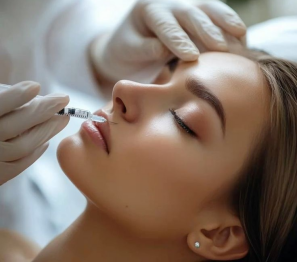
The Molecular Blueprint: How Each Filler Builds from the Ground Up
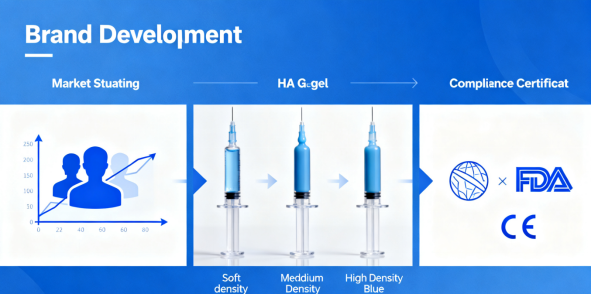
You need to know what you’re moving from warehouse to clinic. The fundamental difference isn’t skin-deep; it’s in the very blueprint of the substance.
Hyaluronic Acid is a sugar molecule naturally found throughout our skin, 관절, 그리고 눈. Think of it as a supremely efficient humectant and space-filler. Its superpower is its capacity to bind and retain water—up to 1000 times its own weight. In filler form, HA is typically cross-linked (its molecules are bonded into a stable network or “gel”) to resist immediate degradation. Clinicians love this because it creates predictable, malleable volume. They can inject it, assess the look, and if needed, use an enzyme (히알루로니다아제) to dissolve it on the spot—a massive safety net. From your perspective, this means handling a product with a highly tunable viscosity (from thin lips to deep contouring) and a safety profile that simplifies client education.
Collagen, 반면에, is a structural protein. It’s the literal framework, the steel rebar of the skin, providing firmness and tensile strength. Natural collagen fillers were historically sourced from bovine (cow) or porcine (pig) tissue. The modern, dominant player is now human-based collagen (from bioengineered cells) or highly purified animal-sourced options. It doesn’t attract water like HA. 대신에, it integrates into the skin’s own architecture, providing direct structural support. There’s no “antidote” like hyaluronidase. Its effect is more about direct tissue integration and stimulation.
Here’s a quick snapshot of their core specs:
| 특징 | 히알루론산 (하아) Filler | Collagen Filler |
|---|---|---|
| 원천 | Biofermentation (Lab-grown, consistent & sustainable). | Historically bovine/porcine; now primarily bioengineered human collagen or highly purified animal. |
| Primary Action | Binds water to create volume and hydrate. | Integrates as structural protein to provide support and stimulate native collagen. |
| 장수 (Typical) | 6 에게 18 개월 (varies by product cross-linking & 영역). | 3 에게 6 개월 (traditional), 최대 12+ for newer, cross-linked formulations. |
| 가역성 | 예. Instantly reversible with hyaluronidase enzyme. | 아니요. No dissolving agent; integrates naturally. |
| Pre-Treatment Test | Not required (동물이 아닌, synthetic origin). | Often required for animal-derived versions; not for most modern human-based. |
| Key Handling Point | Stable shelf life. Viscosity varies by product line. | Stringent temperature control for some; check specific manufacturer guidelines. |
시장 역학 & Inventory Strategy: Reading the Global Demand Map
Your warehouse isn’t stocked by trends, but by data-driven demand. The global filler market is overwhelmingly dominated by HA, but collagen is carving out a strategic, high-growth niche.
현재 2024, HA fillers command an estimated 82-85% of the global dermal filler market share, valued in the multi-billion dollar range. This is due to their versatility, longevity, and reversible nature. 하지만, the collagen segment is experiencing a significant resurgence, 이상의 CAGR로 성장할 것으로 예상 7% in the next five years, driven by new technologies and specific clinical needs.
Geographically, the demand pattern is insightful:
- 북아메리카 & 유럽: Mature HA markets with high demand for advanced, 고G’ (high stiffness) products for contouring. Collagen is seeing renewed interest for under-eye treatments and for patients with autoimmune concerns who prefer non-HA options.
- 아시아 태평양: The fastest-growing region, driven by a preference for subtle, hydrating, “glass skin” effects. 단상, low-modulus HA fillers for delicate tear troughs and cheek hydration are top sellers. Bioengineered human collagen is gaining rapid traction here as a premium “natural framework” option.
- 라틴 아메리카 & 중동: High demand for volumizing and sculpting. Biphasic HA fillers for cheek and chin augmentation, along with robust collagen-based stimulators (like PLLA/PCL), are key products.
당신을 위한, this means a tiered inventory. HA is your broad-base, high-turnover workhorse. A strategic selection of advanced collagen fillers represents a premium, specialized segment to offer clinics seeking cutting-edge solutions.
Clinical Applications: Matching the Tool to the Trade
Smart clinics don’t use one tool for every job. Your most successful clinic clients will use HA and collagen as complementary parts of their toolkit.
Hyaluronic Acid is the Master Sculptor and Hydrator.
- 입술 강화: The gold standard. Its malleability allows for precise border definition and volume.
- 팔자주름 & 마리오네트 라인: Excellent for filling established, deep folds.
- Cheek & Chin Contouring: High-density, cohesive HA products are used like architectural putty to build and define bone structure.
- Skin Boosting: Micro-droplets of low-crosslinked HA are injected superficially to improve overall skin hydration and glow (mesotherapy).
Collagen is the Structural Specialist and “Bio-Renovator”.
- 가는 선 & 주름 (especially perioral): Excellent for softening fine lines around the mouth where HA can sometimes look lumpy.
- Under-Eye (눈물통) Rejuvenation: A rising star. Certain collagen fillers, being more fluid and integrative, can reduce the bluish tint of under-eye circles with a lower risk of Tyndall effect (a bluish cast sometimes seen with HA).
- Improving Skin Quality: It doesn’t just fill. By providing a collagen matrix, it can improve skin texture, 두께, and elasticity over time—a selling point for holistic treatment plans.
- For Patients with “HA Fatigue”: Some long-term users feel their skin looks overfilled with HA. Collagen offers a different, often more natural, textural result.
The Logistics & Commercial Bottom Line for Distributors
This is where your operational reality meets the science. These products have different physical and commercial behaviors.
유통기한 & 저장:
HA fillers generally have a long, stable shelf life (자주 24-36 개월) and standard temperature storage requirements (room temp, avoid freezing). Collagen-based products, especially certain animal-derived ones, may have shorter shelf lives and stricter, sometimes refrigerated, storage chains. Always verify the manufacturer’s SPECIFIC storage SOPs. This impacts your warehousing costs and inventory rotation strategy.
Pricing & Margin Structures:
HA fillers have a wide price range—from economical generic lines to ultra-premium, branded products. Competition is fierce. Your value-add is technical education, reliable supply, and a curated portfolio.
Modern collagen fillers are typically positioned as premium or ultra-premium products. They often command higher price points per syringe, which can translate to attractive margins. Your selling point is exclusivity, advanced technology, and addressing unmet needs in a clinic’s service menu.
Market Education & Your Role:
Clinics are bombarded with claims. Your teams must move beyond being order-takers to being technical consultants.
- For HA: Be ready to discuss G-프라임 (단단함), 응집력, 및 입자 크기. Help a clinic choose the right physical product for lips vs. 궁둥이.
- For Collagen: Understand and communicate the 원천 (bovine, porcine, bioengineered human), 가교 기술, and the unique “조직 통합” story. Prepare data on improved skin quality metrics, not just volume.
The future is in combination therapy. The smartest clinics use HA for immediate volumetric contouring and collagen for structural support and skin quality. Your ability to supply and educate on both platforms makes you an indispensable partner, not just a vendor.
프로페셔널Q&대리점을 위한 A
1분기: We have clients in regions with less stable power grids. Are there filler options more resilient to occasional temperature fluctuations during storage or transport?
에이: Hyaluronic acid fillers are generally more forgiving in this scenario. Most modern HA gels are highly stable and can tolerate short-term deviations from ideal room temperature far better than many collagen-based products, especially liquid collagen formulations that may require strict, unbroken refrigeration. For challenging logistics, prioritize HA lines and always use validated cooler boxes for transport, regardless of product type.
2분기: A clinic client reports a patient with a suspected allergic reaction to an HA filler. Isn’t HA supposed to be non-allergenic?
에이: True, biofermented HA itself is virtually non-allergenic. 하지만, reactions can occasionally occur to the cross-linking agent (BDDE, for example) or other components in the proprietary gel formulation. This is why a detailed patient history and a provider’s in-depth knowledge of product chemistry are crucial. It underscores the importance of sourcing from manufacturers with ultra-pure, well-documented production processes to minimize such risks.
3분기: From a purely commercial stock-turn perspective, does the shorter longevity of traditional collagen fillers mean clinics will re-order more frequently?
에이: This is a common assumption, but the reality is more nuanced. While a single treatment may not last as long, the commercial model for collagen is shifting. 첫 번째, newer cross-linked collagen products last 9-12 개월, rivaling mid-range HAs. 두번째, collagen is often used as part of a multi-session “collagen induction therapy” program (예를 들어, 2-3 sessions scheduled a few weeks apart), which can mean more syringes sold per patient in the initial phase. The key is to educate clinics on packaging collagen as a process, not a one-time product.