
The chin plays a defining role in facial harmony and profile. A weak or recessed chin can affect the balance of the entire face, often leading individuals to seek cosmetic enhancement. 오늘, two dominant solutions exist: non-surgical hyaluronic acid (하아) dermal fillers and surgical chin implants. This comprehensive guide will dissect both procedures, comparing their mechanisms, 결과, 소송 비용, and ideal candidates to help you determine which path might be better for your goals.
Understanding the Desire for Chin Enhancement
Facial aesthetics often hinge on balance and proportion. 턱, 특히, provides a crucial counterpoint to the nose and forehead. A well-defined chin can strengthen the jawline, reduce the appearance of a “이중턱,” and bring overall facial features into harmony. The motivations for seeking chin enhancement vary widely, from correcting a genetically recessed chin to restoring lost volume due to aging or addressing asymmetry.
역사적으로, surgical implantation was the only permanent solution. 하지만, the advent of advanced dermal fillers, particularly those based on stabilized hyaluronic acid, has revolutionized the field, offering a significant, yet non-permanent, alternative with minimal downtime. The choice between these two is not merely procedural; it involves a deeper consideration of one’s tolerance for surgery, desired outcome longevity, 예산, and personal aesthetic philosophy.
The Non-Surgical Approach: Hyaluronic Acid Chin Fillers
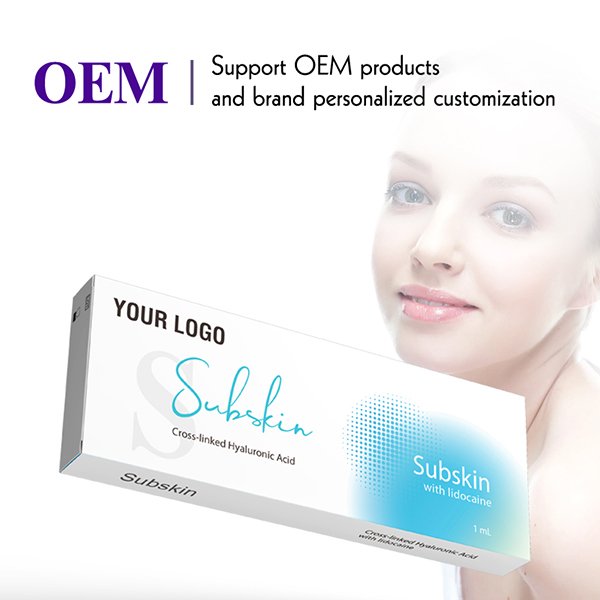
Hyaluronic acid chin fillers represent the forefront of non-surgical facial contouring. HA is a naturally occurring sugar molecule in the skin that attracts and retains water, 볼륨과 수분 공급. Injectable gels made from cross-linked HA are used to add precise projection and shape to the chin.
절차: Performed in a clinician’s office, the treatment typically takes 30-60 분. After a topical numbing cream is applied, the provider strategically injects the filler into and around the chin area using a fine needle or cannula. The product is molded during injection to create the desired shape and improve contour. The results are visible immediately, though final settling occurs over 1-2 주.
Key Benefits:
- 최소 침습적: No general anesthesia or incisions required.
- 가동 중지 시간 최소화: Most patients return to normal activities immediately, with only minor swelling or bruising.
- 거꾸로 할 수 있는: A significant safety net; most HA fillers can be dissolved with an enzyme (히알루로니다아제) if the patient is unhappy with the result.
- Gradual and Customizable: 미묘한 허용, 점진적인 향상. The outcome can be tailored in real-time during the appointment.
- Lower Initial Cost: The per-treatment price is substantially lower than surgery.
Considerations and Limitations:
- Temporary Results: 효과는 일반적으로 다음 사이에 지속됩니다. 12 에게 18 개월, 제품 및 개인별 대사에 따라, 유지관리가 필요한.
- Volume Limitations: There is a practical limit to how much projection can be achieved with filler alone before it may look unnatural or cause tissue strain.
- Skill-Dependent: The outcome is highly dependent on the injector’s artistic skill and anatomical knowledge.
The Surgical Solution: Chin Implant (Genioplasty)
A chin implant, or augmentation genioplasty, is a surgical procedure designed to permanently alter the chin’s structure. It involves placing a solid, biocompatible implant—typically made of silicone or porous polyethylene—over the chin bone to enhance its size and projection.
절차: This is an outpatient surgery performed under local anesthesia with sedation or general anesthesia. The surgeon makes an incision either inside the mouth (intraoral) or under the chin (submental). A pocket is created on the front of the chin bone, the implant is inserted and secured, and the incision is closed. The surgery itself takes about one hour.
Key Benefits:
- Permanent Results: The implant is designed to last a lifetime, offering a one-time solution.
- Significant Projection: Capable of creating more dramatic changes in chin size and shape than is typically feasible with filler.
- Structural Change: Addresses the underlying bony framework, which can be more effective for severe recession.
- Predictable Material: The implant size and shape are selected pre-operatively, offering a high degree of predictability.
Considerations and Limitations:
- Surgical Risks: Includes standard surgical risks like infection, bleeding, anesthesia complications, and nerve injury (potentially causing temporary or permanent numbness).
- Extended Recovery: Significant swelling and discomfort for 1-2 주, with a soft diet often required for oral incisions. Final results may take several months to settle.
- Irreversible: While removable, the procedure is considered permanent and revision surgery is more complex than a filler touch-up.
- Higher Upfront Cost: The total cost for surgery, 마취, and facility fees is significantly higher than a filler treatment.
- Implant-Specific Risks: Rare risks include shifting, bone erosion, or capsular contracture.
Direct Comparison: Filler vs. Implant
The following table summarizes the core differences between these two chin enhancement methods:
| 특징 | 히알루론산 필러 | 수술용 턱 임플란트 |
|---|---|---|
| Nature | Non-surgical, 주사 가능한 | Surgical, implant-based |
| 마취 | Topical numbing (일반적으로) | Local with sedation or General |
| Incision | 없음 (needle puncture) | Intraoral or submental |
| 시술시간 | 30-60 분 | ~60-90 minutes |
| 중단 시간 | 최소한의 (24-48 hrs for bruising) | 1-2 주 (significant swelling) |
| Results Timeline | 즉각적인, final in 2 주 | Swollen initially, final in 3-6 개월 |
| 장수 | 12-18 개월 (유지관리가 필요하다) | 영구적인 |
| 가역성 | 예 (히알루로니다아제와 함께) | 아니요 (implant is removable via surgery) |
| 이상적인 대상 | Mild to moderate enhancement, “시험해보다” a look, 미묘한 컨투어링 | Moderate to significant enhancement, permanent correction, strong structural change |
| Typical Cost (우리를, 2024) | $800 – $2,500 per syringe/session | $3,000 – $7,000+ (all-inclusive) |
시장 & Data Insight: The non-surgical aesthetic market continues to surge. 미국성형외과학회에 따르면 (ASPS) 2022 보고서, soft tissue filler procedures grew by over 70% ~부터 2019, reflecting a strong consumer shift towards minimally invasive options. 하지만, surgical chin augmentations remain a stable and requested procedure for those seeking definitive, 구조적 변화.
당신의 선택: Which is Better for You?
The question of “which is better” has no universal answer—it depends entirely on your individual circumstances, 목표, and risk tolerance.
Choose Hyaluronic Acid Filler If You:
- Desire a subtle to moderate enhancement.
- Are apprehensive about surgery or general anesthesia.
- Value minimal downtime and need to return to work/social life quickly.
- Want to “테스트 드라이브” a more projected chin before committing to surgery.
- Prefer a reversible, adjustable approach.
- Have a budget that allows for periodic maintenance treatments.
Choose a Surgical Chin Implant If You:
- Have significant chin recession or desire a major change in projection.
- Want a permanent, “일대일” 해결책.
- Are in good health and not averse to undergoing surgery and its associated recovery.
- Are financially prepared for the higher upfront investment.
- Seek a structural, bone-based augmentation.
The Critical Step: 상의. Regardless of your leaning, a consultation with a qualified professional is non-negotiable. Seek a board-certified plastic surgeon or dermatologist who is expert in 둘 다 surgical and non-surgical facial contouring. They can provide an unbiased assessment of your facial anatomy, discuss realistic outcomes for each modality, and recommend the most appropriate path to safely achieve your aesthetic vision.
프로페셔널Q&에이
1분기: Can filler truly achieve similar projection to an implant?
에이: For mild to moderate cases, yes—skilled injectors can use advanced, more cohesive HA fillers (like those from the Juvéderm Voluma or Restylane Lyft families) to build significant projection. 하지만, there is a biomechanical limit. Adding a very large volume of filler can look unnatural and place pressure on the tissue. For severe recession or cases requiring more than 2-3ml of filler, a surgical implant is usually the more effective and economically sensible long-term choice.
2분기: What is the most common complication of each procedure, and how is it managed?
에이: 을 위한 필러, the most common issues are bruising, 부종, 그리고 비대칭. These are usually mild and resolve within days to a week. A more serious but rare risk is vascular compromise, which is why choosing an expert injector with deep anatomical knowledge is paramount. 을 위한 implants, common complications include prolonged swelling, numbness of the lower lip/chin (usually temporary), and discomfort. Infection or implant shifting are rarer but may require antibiotic treatment or revision surgery.
3분기: I had filler and liked the shape, but now want it permanent. Can an implant replicate my filler result?
에이: 전적으로. 사실은, this is a common and highly strategic pathway. Using filler as a “preview” allows you and your surgeon to design an ideal outcome. 상담 중, you can show photos of your chin with filler at its best. The surgeon can then select a chin implant that closely matches that added volume and projection, leading to a high degree of satisfaction with the permanent surgical result.
4분기: How do the costs compare over a 10-year period?
에이: This requires a long-term view. A surgical implant may cost $5,000 once. Filler, ~에 $1,800 per treatment lasting 15 개월, would require approximately 8 treatments over 10 연령, totaling around $14,400. While the upfront cost of surgery is higher, filler becomes the more expensive option over many years due to maintenance. The calculation depends on current age, 원하는 장수, and financial planning.
Q5: Are there any new alternatives on the horizon?
에이: 분야가 발전하고 있다. Screw-based implant systems offer alternative surgical fixation. In injectables, 최신 생체자극성 필러 (like Sculptra or Radiesse) can stimulate the body’s own collagen, offering longer-lasting contouring than HA, though with less immediate control. 에너지 기반 장치 like radiofrequency (RF) microneedling are also being used to tighten skin and improve the jawline contour as an adjunct therapy. Always discuss the very latest options with your provider.