
소개: The Rise of Chin Augmentation in Modern Aesthetics
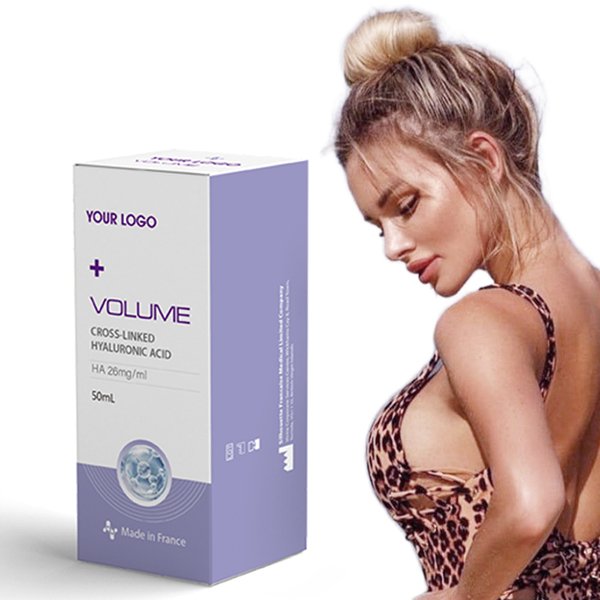
최근에는, chin augmentation has emerged as one of the fastest-growing non-surgical cosmetic procedures globally. 에 따르면 2023 미국성형외과학회 보고서, chin fillers saw a 23% increase from the previous year, 이상으로 75,000 procedures performed in the United States alone. This surge reflects a broader trend toward facial harmonization, where individuals seek balanced profiles without undergoing invasive surgery. Among the various options available, 히알루론산 (하아) dermal fillers have become the gold standard for chin enhancement due to their safety profile, 가역성, 그리고 자연스러운 결과.
히알루론산, a substance naturally found in the skin, has revolutionized non-surgical contouring. When injected into the chin area, it can create subtle projection, improve facial symmetry, and restore definition that may have been lost due to aging or genetics. 영구 임플란트와는 다르게, HA fillers offer a temporary yet transformative 해결책, typically lasting 12–24 months depending on the product and metabolism. 이 가이드에서는 과학을 탐구합니다., 절차, 이익, and considerations of hyaluronic acid chin fillers, providing you with the latest data and professional insights to make an informed decision.
The Science Behind Hyaluronic Acid Fillers: How They Reshape Your Profile
Hyaluronic acid is a glycosaminoglycan—a complex sugar molecule—that exists naturally in our skin, 관절, 및 결합 조직. 주요 기능은 다음과 같습니다. retain moisture, with each gram capable of holding up to six liters of water. 미용 의학에서는, cross-linked HA molecules are suspended in a gel form to provide structural support when injected into subcutaneous tissue. For chin augmentation, specific high-density, 하이지' (단단함) fillers are chosen for their ability to mimic bone structure and resist deformation from facial movements.
When strategically placed along the chin’s midline, these fillers can:
- Project a receding chin forward to align with the lips and nose
- Reduce the appearance of a “weak” chin that can make the nose appear larger
- Improve jawline definition by creating a smoother transition from chin to neck
- Correct asymmetry caused by natural development or past trauma
Modern HA fillers also integrate lidocaine, 국소 마취제, to enhance comfort during treatment. Recent advancements include Vycross™ technology (used in Juvederm Volux) 그리고 Optimal Balance Technology (in Restylane Lyft), which offer longer-lasting and more cohesive gels specifically engineered for jawline and chin contouring.
| Popular HA Fillers for Chin Augmentation | 주요 특징 | 평균 기간 |
|---|---|---|
| Juvederm Volux | 하이 G', designed for chin/jaw | 최대 24 개월 |
| 레스틸렌 리프트 | High support, 변하기 쉬운 | 12–18 months |
| 벨로테로 리브라 | Smooth integration, less swelling | 12 개월 |
| 테오시알 RHA 4 | High resistance to movement | 12–18 months |
치료 과정: What to Expect During and After
A successful chin filler procedure begins with a 종합상담. 귀하의 서비스 제공자는 귀하의 얼굴 해부학을 평가할 것입니다, 당신의 목표를 논의, and develop a customized plan. This may involve digital imaging or 3D simulation to visualize potential outcomes. 진료 당일, 그 지역은 깨끗해졌어, and topical anesthetic may be applied, though most modern fillers include lidocaine for added comfort.
Using a cannula or fine needle, the provider injects small amounts of gel into predetermined points along the chin. The cannula technique—now favored by many experts—reduces bruising and allows for smoother contouring with fewer entry points. 절차는 일반적으로 소요됩니다 30–45 minutes, with immediate visible results. 하지만, minor swelling can initially exaggerate the effect, with the final shape settling within 2–3 weeks.
Post-treatment care includes:
- Avoiding strenuous exercise for 24–48 hours
- Minimizing pressure on the area (예를 들어, sleeping on your back)
- Applying cold compresses to reduce swelling
- Following up with your provider for any touch-ups
Most patients resume normal activities immediately, making this a true 점심시간 절차. In the rare event of dissatisfaction or complications, HA fillers can be partially or fully dissolved using hyaluronidase, an enzyme that breaks down hyaluronic acid—a significant safety advantage over permanent options.
결과, 장수, and Combining Treatments
The results of hyaluronic acid chin fillers are both visual and psychological. A balanced profile often enhances overall facial harmony, with many patients reporting improved confidence. The longevity of results depends on factors such as the specific product used, 개인 대사, 그리고 라이프스타일. 평균적으로, chin fillers last 12–18 months, though newer formulations like Juvederm Volux can persist up to two years.
To maintain optimal results, follow-up treatments are scheduled before the filler fully dissipates. Some patients choose to combine chin augmentation with other non-surgical procedures for enhanced outcomes:
- Jawline filler to create a more defined lower facial contour
- Nefertiti neck lift (botulinum toxin along the platysma bands) to sharpen the jawline
- Lip filler to improve overall lip-chin balance
- Skin tightening treatments like Ultherapy or radiofrequency for aged skin
에 따르면 2024 market data from the Global Aesthetics Institute, 68% of patients who undergo chin filler also opt for at least one complementary treatment within the same year, reflecting a holistic approach to facial rejuvenation.
안전, 위험, and Choosing a Qualified Provider
Hyaluronic acid fillers are FDA-approved and considered safe when administered by trained professionals. 하지만, 모든 의료 시술과 마찬가지로, 위험이 존재합니다. Temporary side effects include swelling, 멍이 들다, 홍반, 주사 부위의 압통. More serious complications—though rare—include vascular occlusion (혈관 막힘), 전염병, or nodules. 경험자 선택, board-certified dermatologist or plastic surgeon significantly minimizes these risks.
Signs of a qualified provider include:
- Certification in dermatology, 성형수술, or oculoplastic surgery
- Extensive experience with facial anatomy and filler injection techniques
- A portfolio of before-and-after photos specific to chin augmentation
- Use of high-quality, FDA-approved products
- Clear post-treatment protocols and emergency management plans
The cost of chin fillers varies by geographic location, 공급자 전문 지식, 그리고 사용된 제품의 양. 미국에서는, prices typically range from $800 에게 $2,500 치료 당. While cost is a consideration, prioritizing skill over price is crucial for both safety and aesthetic outcomes.
프로페셔널Q&에이: 턱필러 질문에 대한 답변
1분기: 턱필러 시술은 얼마나 아픈가요??
대부분의 환자는 경미한 불편함만 보고합니다., often described as a brief pressure or stinging sensation. Modern fillers contain lidocaine, which numbs the area during injection. Providers may also use topical numbing cream or ice packs to enhance comfort. 캐뉼라 기술, which requires only one entry point, tends to be less painful than multiple needle punctures.
2분기: Can chin fillers help with “witch’s chin” or aging-related sagging?
예. Aging often leads to bone resorption and soft-tissue descent, resulting in a “witch’s chin” where the tip droops downward. HA fillers can be injected along the pre-jowl sulcus and chin apex to restore forward projection and lift the downward-turning tip. This is often combined with skin-tightening modalities for optimal rejuvenation.
3분기: Are there any long-term side effects of repeated chin filler treatments?
Current long-term studies (최대 10 연령) show no evidence of permanent adverse effects from repeated HA filler use. The body naturally metabolizes hyaluronic acid, and the skin returns to its baseline once the filler dissipates. 하지만, maintaining treatments over many years may require periodic assessment to ensure facial balance is preserved as natural aging continues.
4분기: How do I know if I’m a good candidate for chin fillers?
Ideal candidates are individuals with mild to moderate chin retrusion, 어울리지 않음, or lack of definition who seek a non-permanent solution. A good candidate is in general good health, 현실적인 기대를 갖고 있다, and does not have active skin infections or severe allergies to HA components. 상담 중, 3D imaging can help visualize potential outcomes and determine suitability.
Q5: What is the latest innovation in chin filler materials?
Beyond traditional HA fillers, 생체자극성 필러 like calcium hydroxylapatite (래디에스) and poly-L-lactic acid (스컬트라) are gaining traction for chin enhancement. These stimulate collagen production, offering longer-lasting structural support. 하지만, HA remains preferred for its precision, 가역성, and lower risk of nodules in the chin area. ~ 안에 2024, the FDA approved a new high-density HA filler specifically designed for jawline and chin, showing improved longevity in clinical trials.
부인 성명: 이 기사는 정보 제공 목적으로만 작성되었으며 의학적 조언을 구성하지 않습니다.. Consult a qualified healthcare provider to determine the best treatment plan for your individual needs. Data cited is based on 2023–2024 industry reports from the American Society of Plastic Surgeons, Global Aesthetics Institute, and FDA publications.