
The Rise of Non-Surgical Jawline Contouring
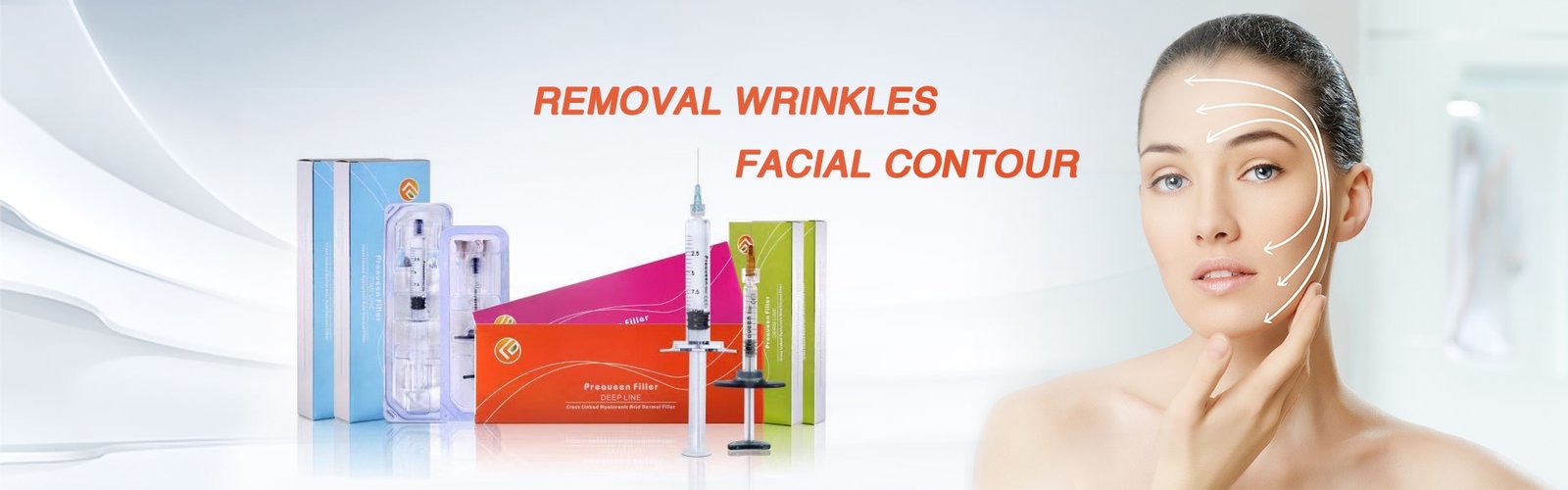
In recent years, the desire for a defined, sculpted jawline has moved from being a niche aesthetic interest to a mainstream beauty goal. Driven by cultural trends, social media, and the “filter effect,” individuals are increasingly seeking ways to achieve that sharp, angular look associated with youth, health, and vitality. While surgery was once the only option, the advent of advanced dermal fillers has revolutionized facial contouring. Hyaluronic acid (HA) fillers, in particular, have emerged as the leading non-surgical solution for enhancing the jawline. This treatment involves strategically injecting a gel-like substance to add volume, improve definition, and create a more balanced facial profile. The appeal is clear: minimal downtime, immediate results, and a natural-looking outcome that subtly restores or enhances one’s natural architecture. Real-time data from the American Society of Plastic Surgeons indicates a continued year-over-year increase in soft tissue filler procedures, with jawline and chin enhancement growing at a particularly fast rate as patients and practitioners recognize their transformative potential for facial harmony.
Understanding Hyaluronic Acid Fillers and How They Work
Hyaluronic acid is a substance naturally found in our skin, joints, and eyes. Its primary function is to retain water, keeping tissues well-lubricated and plump. As we age, our natural HA production declines, leading to volume loss, skin dehydration, and the formation of wrinkles and folds. In aesthetic medicine, scientists have learned to stabilize HA into a gel form that can be injected beneath the skin. Not all HA fillers are the same; they differ in their consistency, viscosity, and cross-linking (a process that determines how long they last). For the jawline, practitioners typically choose a high-G’ (high cohesivity) filler. Think of G’ as the “stiffness” or lift capacity. A high-G’ filler is robust, structured, and able to provide the necessary support to lift and define the heavy, dense tissue of the jaw area without migrating.
The procedure itself is relatively quick, often taking 30 to 60 minutes. After a thorough consultation, a topical numbing cream or local anesthetic is applied. Using a fine needle or cannula (a blunt-tipped tube), the practitioner injects the HA gel along the jawbone’s edge, from the chin back toward the earlobe. The goal is not to create a new shape but to enhance the existing bone structure, fill in hollows, and create a smoother, more continuous line. The HA integrates with the tissue, instantly adding volume and structure. Most patients experience minimal discomfort and can return to their daily activities almost immediately, with only minor swelling or bruising as possible side effects.
The Transformation: Detailed Before and After Breakdown
The “before and after” of hyaluronic acid jawline filler is a story of subtle yet profound rejuvenation and enhancement. The results are not about dramatic, unnatural change but about refinement and restoration.
Before Treatment:
In the “before” state, individuals may exhibit several characteristics that lead them to seek treatment. Common concerns include:
- Loss of Definition: A blurred or softened jawline where the skin seems to blend into the neck, often described as “jowling” or a loss of the crisp angle.
- Volume Deficiency: Hollowing or flattening along the mandible (jawbone), making the face appear less supported.
- Facial Imbalance: A weak chin or a jawline that recedes, making other facial features appear disproportionately large.
- Skin Laxity: Mild to moderate sagging where the skin has lost its elasticity but is not severe enough to require a surgical lift.
The “After” Results:
Following a skilled administration of HA filler, the transformation can be assessed across several dimensions:
- Enhanced Definition and Contour: The most immediate result is the reappearance of a clear, sharp line defining the lower face. This re-established angle between the jaw and neck creates a more sculpted, athletic appearance.
- Improved Facial Proportion and Harmony: By strengthening the jawline, the entire facial framework appears more balanced. It can better complement the cheeks and chin, creating the coveted “heart-shaped” or “V-shaped” facial silhouette.
- Lifted Appearance: The added volume along the jawbone provides a subtle lifting effect on the lower face, reducing the appearance of early jowls and making the skin look tighter.
- Restored Youthful Volume: Hollows under the jaw or in the pre-jowl area are filled, restoring a look of youthful fullness and health.
- Natural Movement and Feel: Unlike implants, HA fillers feel natural. Patients can talk, smile, and chew normally. The result should look integrated and move with the patient’s expressions.
It’s crucial to view “after” photos at least 2-4 weeks post-treatment, once any initial swelling has fully subsided, to appreciate the true, settled outcome.
Considerations: Longevity, Safety, and Choosing a Provider
While the results are compelling, a responsible discussion must include longevity, safety, and the paramount importance of practitioner selection.
Longevity and Maintenance: HA jawline fillers are not permanent. Their duration depends on the product used, the individual’s metabolism, and the amount injected. On average, results last between 12 to 24 months. Over time, the body naturally metabolizes the hyaluronic acid. Maintenance treatments are required to sustain the effect. A significant advantage of HA fillers is their reversibility; if a patient is unhappy with the outcome, an enzyme called hyaluronidase can be injected to dissolve the filler.
Safety and Potential Side Effects: When performed by a qualified professional, HA filler injections for the jawline are considered safe. However, as with any medical procedure, risks exist. Common, temporary side effects include redness, swelling, bruising, and tenderness at the injection sites. More serious but rare complications can include vascular occlusion (where filler is inadvertently injected into a blood vessel), infection, or nodules. This underscores why the provider’s expertise is non-negotiable.
Choosing the Right Provider: This is the single most important factor in achieving a safe, beautiful result. Seek a board-certified dermatologist or plastic surgeon who has extensive, specific experience in advanced facial fillers and jawline contouring. They possess an in-depth understanding of facial anatomy, know how to avoid vital structures, and have an artistic eye for creating natural-looking, personalized results. During your consultation, review their before-and-after portfolio, ask about their experience with jawline treatments, and ensure you feel comfortable and heard.
Comparative Overview of Popular HA Fillers for Jawline Contouring
| Filler Brand (Common Examples) | Key Characteristics | Best For in Jawline Area | Typical Longevity (Approx.) |
|---|---|---|---|
| Juvederm Volux | Specifically designed for the jawline and chin. High G’, high viscosity, high lift capacity. | Creating strong definition, augmenting chin, enhancing jawline angle. | Up to 24 months |
| Restylane Lyft | A robust, high-G’ filler with a proven track record for lifting and contouring. | Adding structure to the mid-face and jawline, correcting age-related volume loss. | 12-18 months |
| Teosyal RHA 4 | Part of the Resilient Hyaluronic Acid line, designed to adapt to dynamic facial movement. | Providing natural-looking definition and contour where flexibility is desired. | 12-15 months |
| Belotero Balance / Contour | Softer integration with tissue, versatile in its layering capabilities. | Fine-tuning, smoothing transitions, and adding subtle definition in less dense areas. | 9-12 months |
Data is based on manufacturer clinical studies and general practitioner consensus; individual patient results will vary.
Professional Q&A on Hyaluronic Acid Jawline Fillers
Q1: How painful is the jawline filler procedure, and what is the recovery like?
Most patients report the procedure as being tolerable. Practitioners use topical numbing cream and/or fillers pre-mixed with lidocaine (a local anesthetic) to minimize discomfort. During the injection, you may feel a mild pressure or a slight stinging sensation. Recovery is typically quick. Common post-treatment effects include mild swelling, redness, and possible bruising, which usually subside within 3-7 days. Applying cold compresses and avoiding strenuous exercise, alcohol, and blood-thinning medications for 24-48 hours can help reduce these side effects. Most people return to work and social activities the next day.
Q2: Can jawline filler look unnatural or “overdone”?
Yes, it can, but this is almost always a result of poor technique or an inexperienced injector. A skilled, artistic practitioner focuses on enhancement, not alteration. The goal is to create a result that looks natural for your face—a jawline you might have had in your youth or that complements your bone structure. Overfilling, placing filler in the wrong plane, or ignoring facial proportions can lead to a bulky, obvious, or distorted look. This is why choosing an expert who prioritizes a conservative, anatomical approach is critical.
Q3: I’m in my late 20s/early 30s with no significant aging. Is jawline filler still an option for me?
Absolutely. While fillers are excellent for age-related volume restoration, they are increasingly used for aesthetic enhancement in younger patients. This is often called “pre-juvenation” or “structural enhancement.” A younger individual might seek filler to strengthen a genetically weak chin, improve facial symmetry, or create a more defined, sculpted jawline for cosmetic reasons. The approach is similar but often requires less product and focuses purely on shaping rather than lifting sagging tissue.
Q4: What happens if I don’t like my results? Is it truly reversible?
One of the greatest safety benefits of HA fillers is their reversibility. If you are unhappy with the volume, shape, or if a rare complication occurs, a trained professional can inject hyaluronidase. This enzyme breaks down hyaluronic acid, dissolving the filler, usually within 24-48 hours. This allows for correction and offers significant peace of mind. However, it’s always best to achieve the desired result through careful planning and skilled injection, as dissolution should be a corrective measure, not a planned step.
Q5: How do I maintain my results, and what is the long-term plan?
HA fillers are metabolized by your body over time. To maintain your results, you will need touch-up treatments. The longevity varies (see table above), but many patients schedule maintenance sessions every 12-18 months. A good practitioner will develop a long-term plan with you, which may involve using different products or techniques over time to ensure your appearance evolves naturally and beautifully. Consistent sun protection and a good skincare regimen also help preserve your skin’s health and the quality of your results.