
Al considerar una rinoplastia no quirúrgica, una de las preguntas más críticas es: cuanto duran los resultados? ácido hialurónico (JA) rellenos nasales, una opción popular para refinar los contornos nasales sin pasar por el quirófano, Ofrecer una combinación convincente de resultados inmediatos y compromiso temporal.. A diferencia de los implantes permanentes, Los rellenos de HA proporcionan flexibilidad y reversibilidad, pero su naturaleza transitoria significa que comprender su vida útil es clave para establecer expectativas realistas y planificar el mantenimiento.. Esta guía completa profundiza en la ciencia., factores que influyen, y datos del mundo real detrás de la longevidad de los rellenos nasales de ácido hialurónico.
Comprender los rellenos de ácido hialurónico y su mecanismo en la nariz
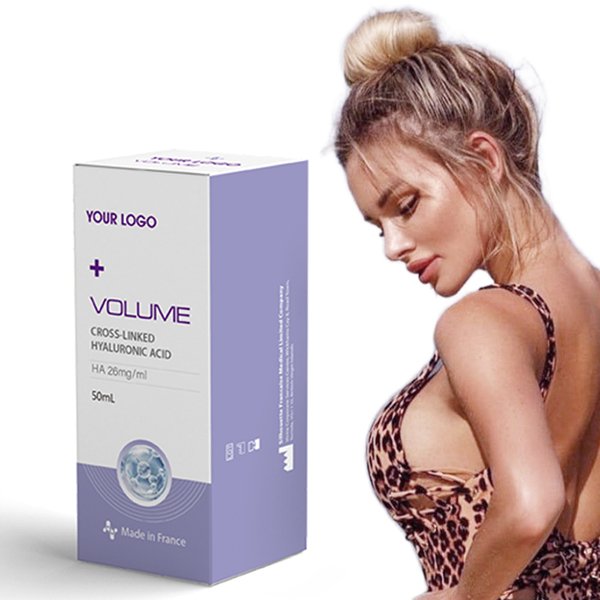
El ácido hialurónico es una molécula de azúcar presente de forma natural en nuestra piel., articulaciones, y tejidos conectivos, Reconocido por su increíble capacidad para retener y retener agua.. En rellenos dérmicos, El HA está reticulado en una sustancia similar a un gel que se puede inyectar con precisión para agregar volumen., lineas suaves, y remodelar características.
En rinoplastia no quirúrgica, el relleno se inyecta estratégicamente para:
- Jorobas de camuflaje: El relleno se coloca encima y debajo de la joroba dorsal para crear una línea más recta..
- Levanta la punta nasal: La inyección precisa puede proporcionar soporte y elevación sutiles..
- Suaves irregularidades: Los rellenos pueden corregir asimetrías o hendiduras por lesiones o cirugías previas..
- Mejorar el ángulo de nariz a labio. (ángulo nasolabial): Una pequeña cantidad puede girar la punta para obtener un perfil más refinado..
Los resultados son inmediato. Sin embargo, el cuerpo reconoce el gel de HA inyectado como una sustancia extraña y comienza un proceso de eliminación de dos fases:
- Difusión: El agua del gel se difunde gradualmente hacia los tejidos circundantes..
- Degradación enzimática: La enzima del cuerpo, hialuronidasa, descompone sistemáticamente las moléculas de HA con el tiempo.
Este proceso biológico es la razón por la que los rellenos de HA no son permanentes. La duración es una danza entre la estabilidad del producto utilizado y la tasa metabólica única de su cuerpo..
Factores que determinan cuánto durarán sus resultados
La longevidad del relleno nasal de HA no es una respuesta única para todos. Normalmente oscila entre 9 a 18 meses, pero este lapso está influenciado por una compleja interacción de factores.
1. Características del producto (El factor más significativo)
No todos los rellenos de HA son iguales. Su longevidad se logra mediante:
- Tecnología de enlace cruzado: Este proceso fortalece las moléculas de HA., haciéndolos más resistentes a la degradación. Las marcas utilizan tecnologías patentadas. (p.ej., Vycross® de Juvederm, OBT® de Restylane) para crear geles más duraderos.
- Concentración y viscosidad del gel: más grueso, rellenos más cohesivos diseñados para soporte estructural (como Juvederm Voluma, Restylane Lyft) tienden a durar más en la nariz que los rellenos más finos destinados a las líneas finas.
- Tamaño de partícula: Algunos productos constan de una única fase de gel., mientras que otros son bifásicos (que contiene partículas de diferentes tamaños). La formulación afecta la forma en que el producto se integra y persiste en el tejido..
2. Factores biológicos individuales
- Tasa metabólica: Las personas con metabolismos más rápidos pueden descomponer los componentes de relleno más rápidamente.
- Calidad de la piel y edad: La piel más joven con mayor contenido de colágeno y elastina puede integrar y soportar el relleno de manera diferente que la piel madura..
- Estilo de vida: Ejercicio de alta intensidad, que aumenta el flujo sanguíneo y la tasa metabólica, potencialmente puede acelerar la degradación. La exposición significativa al sol y el tabaquismo también pueden aumentar la inflamación y degradación de los tejidos..
- Actividad muscular: Aunque tiene menos impacto en la nariz que en áreas como los labios, Los movimientos faciales muy expresivos pueden contribuir a una dispersión más rápida del producto..
3. Técnica de inyección y experiencia del profesional
Este es un punto crítico, factor a menudo subestimado. Un inyector experto con un profundo conocimiento de la anatomía nasal:
- Coloque el relleno en el lugar correcto. plano del tejido (típicamente supraperióstico o subcutáneo profundo).
- Utilice el cantidad correcta de producto para conseguir el efecto deseado sin sobrellenar.
- Emplear preciso técnica para garantizar una distribución uniforme y minimizar el trauma, que puede reducir la inflamación e hinchazón innecesarias.
Una mala técnica puede conducir a una migración más rápida, aglomeración, o descomposición rápida del producto.
Datos del mundo real y expectativas de longevidad por producto
Basado en estudios clínicos y consenso de revistas de medicina estética., A continuación se ofrece una descripción general de la longevidad esperada de los populares rellenos de HA utilizados en la nariz.. Es importante tener en cuenta que las indicaciones etiquetadas por la FDA pueden variar., y el uso no autorizado para la nariz es común a discreción del médico..
| Marca de relleno (Nombres comunes) | Características clave | Indicación primaria de la FDA | Longevidad típica en la nariz (Basado en la práctica clínica) |
|---|---|---|---|
| Juvederm Voluma XC | Alta viscosidad, altamente reticulado, Centrado en el ascensor | Aumento de pómulos para corregir la pérdida de volumen relacionada con la edad | Arriba a 18-24 meses (A menudo se considera el más duradero para trabajos nasales estructurales.) |
| Restylane Lyft | Cohesivo, gel bifásico | Aumento de pómulos y corrección de deficiencias del contorno de la parte media de la cara relacionadas con la edad. | 12-18 meses |
| Belotero Libra | Baja viscosidad, gel altamente integrado | Arrugas y pliegues faciales de moderados a severos. (p.ej., pliegues nasolabiales) | 6-12 meses (A menudo se usa para cosas muy sutiles., refinamientos superficiales) |
| Teosyal RHA 2/3 | Alta elasticidad, diseñado para áreas dinámicas | Corrección de líneas y arrugas faciales dinámicas. | 9-12 meses |
| Revanesse Versa+ | Liso, gel monofásico altamente cohesivo | Inyección media a profunda para la corrección de pliegues y arrugas faciales de moderados a graves. | 12-15 meses |
Una nota sobre los datos en tiempo real: El mercado mundial de rellenos dérmicos continúa evolucionando rápidamente. Según un análisis reciente de la industria (2023-2024), la demanda de más duradero pero aún reversible Las opciones están impulsando la innovación.. La tendencia es hacia rellenos que equilibren la alta G-prime (capacidad de elevación) con excelente integración tisular para natural, resultados duraderos. Los datos anteriores reflejan el consenso actual de los profesionales en los últimos tiempos. 2024.
Maximizar la longevidad y la seguridad: El papel crucial del cuidado posterior
Sus acciones después del tratamiento influyen significativamente en el resultado y la duración.. Siga estrictamente el protocolo de cuidados posteriores de su inyector, que normalmente incluye:
- Evitar la presión: No use gafas que descansen sobre el puente durante al menos 1-2 semanas. Duerma boca arriba si es posible.
- Minimizar la inflamación: Evite el ejercicio extenuante, alcohol, y calor excesivo (saunas, yoga caliente) para 24-48 horas.
- Manejo suave: Evite masajear o frotar la nariz a menos que su proveedor se lo indique específicamente para corregirlo..
- Protección solar: Utilice un protector solar con SPF alto a diario, ya que la exposición a los rayos UV puede degradar el colágeno y potencialmente afectar el entorno del relleno.
Seguridad ante todo: La nariz es una zona de alto riesgo de complicaciones vasculares.. Elegir un experimentado, Un inyector certificado que comprende la anatomía vascular y tiene un plan para manejar complicaciones raras como la oclusión vascular no es negociable.. Esta experiencia también impacta directamente en la calidad y longevidad de su resultado..
Ácido Hialurónico vs.. Otras opciones de relleno nasal: Una comparación de longevidad
- Rellenos HA (9-18 meses): Estándar oro para rinoplastia no quirúrgica. Los beneficios incluyen la reversibilidad con hialuronidasa., sensación natural, y un historial de seguridad. La naturaleza temporal permite ajustes a medida que cambian las tendencias o sus preferencias..
- Rellenos semipermanentes (p.ej., CAHA – Radiesse): Dura 12-18 meses. La hidroxiapatita de calcio también estimula el colágeno, pero es no reversible. Su consistencia más espesa puede resultar ventajosa para determinadas correcciones pero requiere una precisión técnica aún mayor en la nariz..
- Rellenos permanentes (p.ej., Silicona): Muy desalentado por profesionales éticos para el aumento nasal. Riesgos de granulomas, migración, y la distorsión irreversible son altas, y los resultados a menudo no envejecen bien con la cara. El “permanencia” A menudo se convierte en un problema permanente..
Conclusión y panorama general
Los rellenos nasales de ácido hialurónico ofrecen un poderoso, solución mínimamente invasiva con un longevidad típica de 9 a 18 meses. Esta duración es producto de una avanzada tecnología de relleno., tu biología única, y, lo más importante, La habilidad de tu inyector.. Considerar la rinoplastia no quirúrgica como una proceso de tratamiento en lugar de un evento único es esencial. Planificación de posibles retoques cada 12-18 meses le ayudarán a mantener el aspecto deseado de forma constante y segura.
La mayor ventaja del relleno HA es su reversibilidad y adaptabilidad. A medida que tu rostro envejece o tus objetivos estéticos evolucionan, no estás encerrado en una forma permanente. Invirtiendo en un profesional experto y entendiendo los factores en juego, usted puede tomar una decisión informada para mejorar su confianza con resultados que son a la vez hermosos y cuidadosamente temporales.
Q profesional&A: Respuestas a sus preguntas sobre el relleno nasal
q: ¿Puedo hacer que mi relleno nasal de ácido hialurónico dure más inyectándome más unidades inicialmente??
A: No necesariamente. El llenado excesivo puede provocar una apariencia antinatural, aumento de la presión sobre los tejidos, y una descomposición potencialmente más rápida debido a un compromiso vascular o un estiramiento excesivo. La cantidad óptima es la que consigue tu objetivo respetando la anatomía nasal. La longevidad se maximiza mejor eligiendo un producto adecuado., Producto duradero y una técnica experta en lugar de simplemente usar más volumen..
q: He oído que latas de relleno “durar años” en la nariz. ¿Es eso cierto??
A: Si bien es poco común, algunos pacientes pueden conservar un pequeño grado de corrección más allá del período de tiempo típico. Esto generalmente se debe al producto residual de HA integrado en el tejido o, más probable, neocollagenesis—la estimulación de la producción de colágeno del propio cuerpo alrededor de las partículas de relleno. Sin embargo, El efecto voluminizador primario del gel HA en sí generalmente disminuye dentro del 9-18 ventana de mes. La planificación del mantenimiento anual es el enfoque más fiable.
q: ¿Cómo funciona un “relleno disuelto” (hialuronidasa) trabajar, ¿Y afecta mi tejido natural??
A: La hialuronidasa es una enzima que descompone rápidamente el ácido hialurónico.. Cuando se inyecta para corregir un problema o revertir el tratamiento, se dirige específicamente al relleno de HA. Si bien puede afectar temporalmente la salud del cuerpo pequeñito cantidad de HA natural en el área inmediata, esto se repone dentro 24-48 horas. No daña permanentemente el colágeno ni la estructura del tejido.. Esta reversibilidad es una ventaja de seguridad fundamental de los rellenos de HA..
q: son los ultimos 2024 Las fórmulas de relleno HA son realmente más duraderas que las de 5 hace años que?
A: Sí, hay una evolución continua. Los avances recientes se centran en aumentar la densidad de reticulación y mejorar la homogeneidad del gel (suavidad) para crear productos que sean resistentes a la degradación y se integren perfectamente con el tejido, reduciendo la respuesta inflamatoria. Las marcas están invirtiendo en R&D para extender la durabilidad manteniendo una sensación natural, como se ve en las últimas generaciones de productos como Juvederm Voluma XC y la colección Teosyal RHA. Consulte siempre con su proveedor sobre la mejor, El producto más avanzado para sus necesidades individuales..