
For many, the journey to smoother, more youthful skin leads to the world of dermal fillers. من بين الحلول الأكثر شعبية وموثوق بها حشوات حمض الهيالورونيك, celebrated for their ability to subtly turn back the clock. If you’re considering this treatment, you likely have questions about the process, the results, and what truly happens between the “before” و “after.” This guide delves deep into the science, the experience, and the transformative outcomes of using hyaluronic acid to reduce wrinkles.
Understanding the Science: Why Hyaluronic Acid?
حمض الهيالورونيك (ها) is a sugar molecule naturally found throughout your body, with the highest concentrations in your skin, connective tissues, والعيون. Its primary function is to retain water, keeping your tissues well-lubricated and plump. In fact, one gram of hyaluronic acid can hold up to six liters of water. As we age, يتباطأ إنتاجنا الطبيعي من HA, leading to a loss of volume, moisture, and elasticity. This depletion is a primary contributor to the formation of static wrinkles (those visible at rest), الخطوط الدقيقة, and skin sagging.
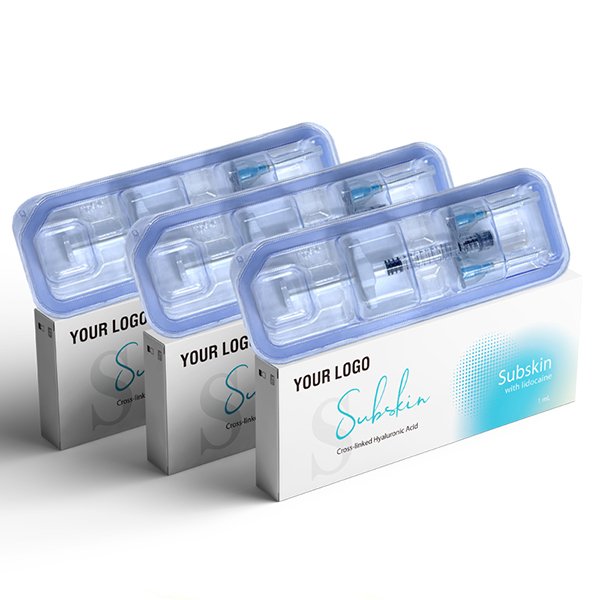
Modern aesthetic science harnesses this powerful hydrator by creating biocompatible, biodegradable gel fillers. These are not synthetic implants but sophisticated formulations designed to integrate with your skin’s tissue. The HA used in fillers is cross-linked, meaning its molecules are bonded to create a more stable, longer-lasting gel that provides structural support. Once injected, it acts like an invisible scaffold, lifting and filling wrinkles from within while simultaneously attracting and binding water for a hydrated, dewy glow. Its safety profile is excellent, and a significant advantage is that its effects are reversible using an enzyme called hyaluronidase, should adjustment be desired.
ال “Before”: Consultation, Planning, and Procedure
The journey begins long before the actual injection. A successful outcome is rooted in a thorough consultation with a qualified and experienced medical professional—typically a board-certified dermatologist or plastic surgeon. This initial meeting is crucial. Your provider will assess your facial anatomy, discuss your aesthetic goals, evaluate skin quality, and review your medical history. This is the time to be explicit about your desires. Are you looking to smooth out nasolabial folds (smile lines), خطوط الدمى المتحركة, or under-eye hollows? Perhaps you wish to restore lost volume in the cheeks or define your lips.
Based on this assessment, your provider will recommend a specific type of HA filler. Not all fillers are the same; they vary in their particle size, اللزوجة (thickness), and cross-linking technology. Thinner gels are ideal for fine lines and delicate areas like the lips or under-eyes, while thicker, more robust fillers are designed for deeper wrinkles and volumetric restoration in the cheeks or jawline. The consultation also covers the procedure itself, potential side effects (like temporary swelling, redness, or bruising), downtime, and cost. Realistic expectations are set—the goal is natural-looking enhancement, not a completely different face.
On the day of the procedure, the treatment area is cleansed, and a topical numbing cream may be applied for comfort. Most modern HA fillers also contain lidocaine, مخدر موضعي, which minimizes discomfort during injection. Using a fine needle or cannula (a blunt-tipped tube), the provider strategically places the gel in targeted tissue planes. The process is artistic, requiring an in-depth understanding of facial dynamics. A typical session can take between 15 ل 60 minutes, depending on the treatment scope.
The Transformation: Navigating the “After” and Seeing Results
ال “after” is a phased journey. You will see immediate results from the moment the filler is placed. Wrinkles will appear softened, and volume will be restored. لكن, this initial look is accompanied by common post-procedural effects: تورم, possible bruising, and slight asymmetry. This is completely normal. The true, settled results emerge after about two weeks, once the swelling has fully subsided and the filler has integrated into your tissue.
The transformation is often described as looking “well-rested,” “refreshed,” or like “a better version of yourself.” Deep folds like nasolabial folds can be dramatically softened. Under-eye troughs, which create a tired appearance, can be lifted, reducing shadows. Restoring cheek volume can subtly lift the lower face, improving the appearance of jowls. The artistry lies in creating balance and harmony, not isolated pockets of filler.
To illustrate the typical outcomes for different concern areas, consider the following data compiled from clinical studies and practitioner consensus:
| منطقة العلاج | Primary Concern | Time to See Settled Results | Typical Longevity (Results Vary by Product & Individual) |
|---|---|---|---|
| الطيات الأنفية الشفوية | Deep smile lines from nose to mouth | 10-14 أيام | 9-12+ شهور |
| خطوط ماريونيت | Lines from mouth corners down chin | 10-14 أيام | 9-12 شهور |
| Tear Troughs | Under-eye hollows/dark circles | 10-21 أيام (swelling can last longer here) | 6-12 شهور |
| تكبير الخد | Loss of mid-face volume, sagging | 2-3 أسابيع | 12-18+ شهور |
| تعزيز الشفاه | Thin lips, perioral lines | 5-7 أيام (initial swelling subsides quickly) | 6-9 شهور |
| الخطوط الدقيقة (على سبيل المثال, شفه) | Vertical lip lines (smoker’s lines) | 3-7 أيام | 4-6 شهور |
Data is representative and based on leading HA filler brands (على سبيل المثال, جوفيديرم, Restylane families) as of 2024. Longevity is influenced by individual metabolism, lifestyle, and injection technique.
Maintaining Your Results: Longevity and Follow-up
Hyaluronic acid fillers are not permanent. The body gradually metabolizes the gel over time. How long results last depends on several factors: the specific product used, المنطقة المعالجة (more dynamic areas like lips break down faster), your individual metabolic rate, and lifestyle factors like sun exposure and smoking. On average, most HA fillers last between 6 ل 18 شهور.
A key to maintaining a natural, continuous result is a touch-up strategy. Rather than letting all filler dissolve completely before the next treatment, many providers recommend smaller maintenance sessions. This approach can prevent the dramatic “before and after” cycle, allowing for more subtle preservation of volume and smoothness. A good skincare regimen with sunscreen, antioxidants, and retinoids will support skin health and prolong the overall aesthetic effect. It’s also an excellent complementary treatment to neuromodulators like Botox, which relax muscle-induced wrinkles (like frown lines), while fillers address volume loss and static folds.
س المهنية&أ: Your Top Concerns Addressed
س: How do I choose between hyaluronic acid fillers and other options, like collagen stimulators or fat grafting?
أ: HA fillers offer immediate, reversible results with minimal downtime, making them ideal for first-timers or those seeking controlled, predictable enhancement. Collagen stimulators (like Sculptra) work gradually by encouraging your body to produce its own collagen, with results appearing over months and lasting longer (up to 2+ سنين), but they require multiple sessions and don’t offer immediate gratification. Fat grafting is a surgical procedure with longer downtime and more variable longevity, as some of the transferred fat may be reabsorbed. The best choice depends on your goals, timeline, budget, and your provider’s recommendation.
س: Are the results from hyaluronic acid fillers really natural-looking?
أ: نعم, when performed by a skilled, artistic injector. The hallmark of a great treatment is that you look like yourself—just refreshed and revitalized. ال “overdone” look often stems from poor technique, using the wrong product for the area, or simply using too much. A conservative, strategic approach focused on facial balance and anatomy yields beautifully natural results. During consultation, review your provider’s before-and-after portfolio to assess their aesthetic style.
س: What are the most significant risks or complications I should be aware of?
أ: Common temporary side effects include redness, تورم, tenderness, and bruising. Rare but more serious risks include infection, lumpiness, or vascular compromise (where filler is inadvertently injected into a blood vessel, which can block blood flow). This underscores the critical importance of choosing a medical professional with expert knowledge of facial anatomy and the ability to manage complications. The reversibility of HA with hyaluronidase is a vital safety net for managing adverse events.
س: With new products constantly emerging, what are the latest innovations in HA fillers as of 2024?
أ: The field is advancing towards more personalized treatments. Key trends include: 1) Softer, more cohesive gels for a more natural feel in dynamic areas. 2) Integrated anesthetic for virtually painless injection. 3) Tailored product ranges with specific fillers designed for ultra-precise indications (على سبيل المثال, micro-droplet technique for skin quality improvement). 4) A stronger emphasis on bio-stimulatory effects, where certain HA fillers are shown to also promote long-term collagen and elastin production, improving skin health beyond simple filling. Always discuss the most current, evidence-based options with your provider.
In conclusion, reducing wrinkles with hyaluronic acid fillers is a powerful, science-backed path to a more youthful appearance. By understanding the process, setting realistic expectations with a qualified professional, and committing to proper aftercare, you can achieve a transformative yet natural “after” that truly reflects a rejuvenated you.