
For many individuals, the delicate under-eye area can be a source of significant cosmetic concern. Dark circles, hollows, and that perpetually tired appearance—often collectively referred to as “tear trough deformities”—can persist despite ample sleep, expensive creams, and a healthy lifestyle. These concerns are not just about vanity; they can profoundly impact one’s perceived freshness, youthfulness, and confidence. Fortunately, modern aesthetic medicine offers a highly effective and minimally invasive solution: hyaluronic acid (HA) fillers. This advanced treatment has revolutionized facial rejuvenation, providing a safe and precise method to restore volume, smooth contours, and say a definitive goodbye to unwanted tear troughs.
Understanding the Tear Trough Dilemma: More Than Just Lack of Sleep
The tear trough is the groove that runs diagonally from the inner corner of the eye down towards the mid-cheek. Its prominence is influenced by a complex interplay of anatomy and aging. Primarily, it results from a combination of factors:
- Volume Loss: As we age, we naturally lose subcutaneous fat and collagen in the mid-face. This descent and deflation create a shadow under the eyes, emphasizing the orbital rim (the bone around the eye socket).
- Genetic Predisposition: Some people are genetically predisposed to have a more pronounced tear trough or thinner skin under the eyes, making underlying structures and discoloration more visible.
- Skin Thinning: The skin in the under-eye area is the thinnest on the body. With age and sun exposure, it becomes even thinner and more translucent, allowing the bluish-purple hue of the underlying orbicularis oculi muscle and blood vessels to show through.
- Weakening of Ligaments: The orbitomalar ligament, which holds tissue in place, can weaken over time, contributing to the formation of a hollow.
Traditional concealer can only mask the discoloration to a degree and does nothing to address the underlying shadow caused by volume loss. This is where injectable fillers step in, not as a cover-up, but as a structural correction.
Hyaluronic Acid Fillers: The Science of Subtle Rejuvenation
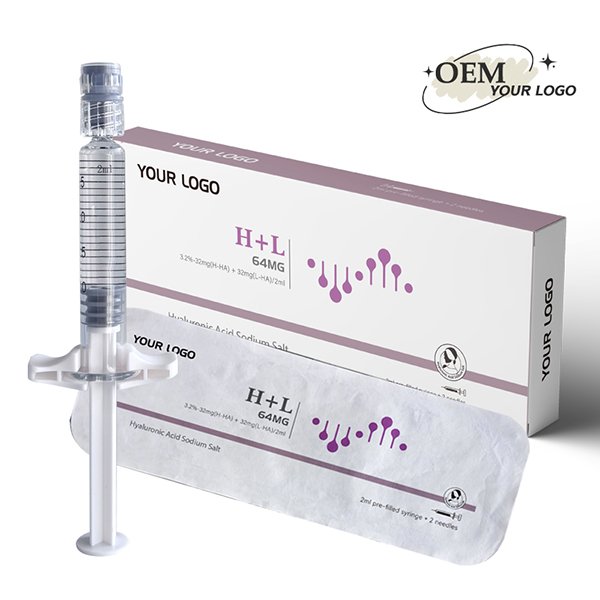
Hyaluronic acid is a sugar molecule naturally found throughout our skin, joints, and eyes. Its primary function is to bind and retain water—a single gram can hold up to six liters of water. In aesthetic medicine, HA fillers are clear, gel-like substances formulated through advanced bioengineering. They are:
- Biocompatible and Reversible: Being a substance already present in the body, the risk of allergic reaction is extremely low. Crucially, if necessary, the effects can be dissolved with an enzyme called hyaluronidase, providing a critical safety net.
- Versatile and Precise: Different fillers are engineered with varying particle sizes, cross-linking (how the HA molecules are bonded for longevity), and viscosity (thickness). For the delicate tear trough area, practitioners choose products specifically designed to be soft, smooth, and highly moldable to avoid lumps and ensure a natural result.
- Hydrating and Stimulating: Beyond merely filling space, HA attracts and holds water, providing intrinsic hydration to the skin. Furthermore, some studies suggest certain HA gels may stimulate the body’s own collagen production over time.
The goal of treatment is not to overfill the area, which can lead to a puffy, unnatural look, but to strategically replenish lost volume, lifting the trough and blending it seamlessly with the upper cheek. This erases the shadow and eliminates the tired, hollow appearance.
The Treatment Journey: From Consultation to Results
A successful tear trough augmentation is a testament to the skill of the practitioner. The process is meticulous and patient-centric.
- Comprehensive Consultation: This is the most critical step. A qualified provider (a board-certified dermatologist or plastic surgeon with extensive experience in periorbital injections) will assess your facial anatomy, skin quality, and underlying causes of the tear trough. They will discuss realistic outcomes, potential risks, and choose the most appropriate product. They will also rule out contraindications, such as certain allergies or active infections.
- The Procedure: The appointment itself typically takes 30-45 minutes. After cleansing and potentially applying a topical numbing cream, the practitioner will use an ultra-fine needle or cannula (a blunt-tipped tube) to inject tiny amounts of filler along the trough and into the upper cheek. The cannula technique is often preferred for this area as it may reduce bruising and allow for smoother product placement. Discomfort is minimal, often described as a slight pressure or burning sensation.
- Immediate Aftercare and Results: You will see an immediate improvement, though initial mild swelling may obscure the final result. Common temporary side effects include slight redness, swelling, tenderness, and bruising. Applying cold packs and avoiding strenuous activity, alcohol, and blood-thinning medications for 24-48 hours can minimize these. The final, settled result is apparent within 1-2 weeks.
- Longevity: Results typically last between 9 to 18 months, depending on the product used, individual metabolism, and lifestyle factors. The body gradually and naturally metabolizes the HA gel.
Critical Considerations and Data-Driven Insights
Choosing to pursue tear trough fillers is a medical decision. Selecting an expert injector is non-negotiable due to the area’s high risk profile (proximity to the eye, thin skin, and complex vasculature). Potential risks, though rare in expert hands, can include asymmetry, lumps, bluish discoloration (Tyndall effect), and, most seriously, vascular compromise.
The market for HA fillers is robust and evolving. Below is a comparison of some leading brands commonly considered for the tear trough area, based on current product profiles and clinical data (2024).
| Filler Brand (Manufacturer) | Key Characteristics | Best For | Typical Longevity (Tear Trough) | Notable Feature |
|---|---|---|---|---|
| Restylane®-L / Restylane® Lyft (Galderma) | Versatile range; Lyft is firmer for deeper support. | Lyft for deeper volume loss & cheek support. | 12-18 months | Well-studied, with a long safety history. |
| JUVÉDERM® Volbella® XC (Allergan Aesthetics) | Soft, smooth, highly malleable gel with lidocaine. | Fine lines & subtle volume in delicate areas. | 10-12 months | Specifically designed for lip and periorbital area. |
| Belotero® Balance (Merz Aesthetics) | Cohesive polydensified matrix; integrates seamlessly. | Superficial lines and very thin skin. | 6-9 months | Low risk of Tyndall effect; spreads evenly. |
| TEOSYAL® Redensity® II (Teoxane) | Contains antioxidants & amino acids; low swelling. | Addressing both volume loss and dark circles. | 9-12 months | Formulated to combat oxidative stress in eye area. |
Data is indicative and based on manufacturer clinical studies and real-world practice. Always consult your provider for the best individual recommendation.
Recent industry analysis from the Aesthetic Society reports that cheek and mid-face augmentation with fillers grew by over 15% in 2023, highlighting the trend towards holistic, three-dimensional facial rejuvenation of which tear trough treatment is a key component. Patient satisfaction rates for tear trough filler procedures, when performed by experienced injectors, are consistently reported above 90%.
Professional Q&A on Tear Trough Fillers
Q: Am I a good candidate for tear trough fillers?
A: Ideal candidates are generally healthy adults with mild to moderate hollowing or shadowing under the eyes, good skin elasticity, and realistic expectations. Those with severe bulging lower eyelids (festoons) or very poor skin laxity may be better suited for surgical options like blepharoplasty. A consultation with a specialist is essential to determine candidacy.
Q: What is the single most important factor for a safe and natural result?
A: The expertise of the injector. The under-eye area is one of the most technically challenging to treat. An expert has an intimate understanding of the anatomy, uses the appropriate product and technique (like cannulas), knows how to place the correct volume at the correct depth, and is trained to manage any potential complications immediately.
Q: Can fillers completely eliminate my dark circles?
A: Fillers are excellent for addressing dark circles caused by shadows from structural hollowing. By restoring volume and lifting the trough, the shadow is eliminated, which often dramatically improves the appearance of darkness. However, if dark circles are primarily due to superficial skin pigmentation (melanin) or visible blood vessels, fillers will have a limited effect, and treatments like laser therapy or topical brighteners may be recommended in conjunction or instead.
Q: How do I choose between the different brands of HA filler?
A: You don’t; your provider does. While it’s good to be informed, an experienced injector will select the product based on their assessment of your specific anatomy, skin thickness, and the nature of your volume loss. Different fillers are tools, and the artisan chooses the right tool for the job.
Q: Are the results permanent?
A: No. Hyaluronic acid fillers are temporary, as the gel is naturally broken down by your body over time. This is actually a safety feature, allowing for correction and adaptation as your face continues to age. Maintenance treatments are needed to sustain the results, typically annually.
In conclusion, hyaluronic acid fillers represent a paradigm shift in addressing tear trough deformities. Moving beyond surface-level cover-ups, they offer a sophisticated, minimally invasive solution that targets the root cause—volume loss. With a commitment to choosing a highly qualified medical professional and maintaining realistic expectations, you can effectively say goodbye to tired-looking tear troughs and hello to a fresher, more rejuvenated appearance that reflects your vitality.