

Beyond Beauty: The Science and Commerce of HA in Modern Aesthetics
Let’s cut straight to the point. As a distributor, you’re not just selling a vial of gel; you’re supplying a highly engineered biomaterial with a function so fundamental, it’s become the gold standard. Hyaluronic Acid (HA) filler is used because it mimics what our bodies already know and lose over time. Think of it as a targeted hydration and volume reserve. Every person’s skin contains HA naturally—it’s a sugar molecule that binds to water, providing structure, moisture, and plumpness to the skin. Starting in our mid-20s, our natural HA production declines. Sun exposure, pollution, and lifestyle factors accelerate this depletion. The result? Loss of volume, deepening folds, and skin that appears less resilient. Cosmetic procedures using HA fillers are, at their core, a precision replacement therapy. Practitioners inject calibrated HA gels to restore that lost framework, re-hydrate tissues from within, and support facial structures. It’s a direct, logical intervention with predictable and reversible outcomes, which is a massive point of safety and appeal for clinicians and patients alike.
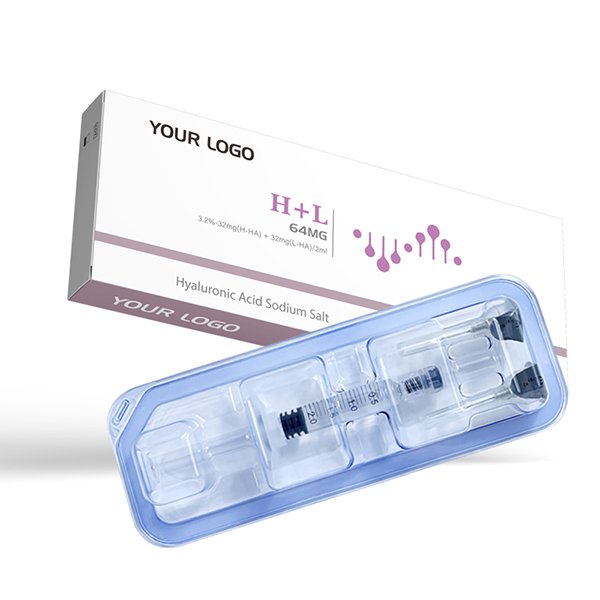
Market Drivers: Why Global Demand Isn’t Slowing Down
The data tells a clear story. This isn’t a fleeting trend; it’s a robust segment of the global medical aesthetics market, driven by demographic shifts, technological access, and evolving consumer profiles. The demand is increasingly driven by younger, more proactive individuals (prejuvenation) seeking maintenance, not just correction. Furthermore, the social normalization of aesthetic treatments and the rise of medical tourism have created a truly globalized demand. For you as a B2B player, this means opportunities are no longer confined to traditional North American or European markets. Look at the rapid growth in Asia-Pacific, the Middle East, and Latin America. Each region has nuanced preferences—some markets prioritize subtle, natural-looking results, while others may have higher demand for specific treatment areas like the nose or jawline contouring. The universal thread is the preference for HA due to its safety profile and the availability of hyaluronidase, an enzyme that can dissolve the filler if needed, making it a “low-risk” option in the eyes of practitioners.
Product Evolution: From One-Size-Fits-All to a Precision Toolkit
Gone are the days of a single HA product for all indications. Today’s landscape is about specialization, and that’s where your portfolio strategy matters. Modern HA fillers are meticulously engineered by altering cross-linking technologies and particle sizes to create products with distinct rheological properties—essentially, how they flow, push, and hold under the skin. This creates a toolkit for practitioners. A thin, highly fluid gel is designed for fine lines, lip hydration, and skin quality improvement (often called “bio-revitalization”). A medium-density product is the workhorse for nasolabial folds and cheek augmentation. A highly cohesive, viscous gel is engineered for deep structural support, like lifting the cheeks or sculpting the jawline. This specialization allows for more natural, targeted outcomes and drives repeat business for clinics, as different concerns require different solutions. For distributors, understanding and communicating this technical differentiation is key to building credibility with clinic owners and dermatologists.
The Global HA Filler Landscape: A Data Snapshot for Strategic Sourcing
Making informed inventory and partnership decisions requires a grasp of the hard numbers. Here’s a breakdown of key market metrics that directly impact your business planning.
| Metric | Current Data & Projection (2023-2024) | Implication for B2B Distributors |
|---|---|---|
| Global Market Size | Valued at USD 5.8 billion in 2023. | Indicates a large, established market with significant volume potential. |
| Projected Growth Rate (CAGR) | Expected ~7.5% from 2024 to 2030. | Steady, sustainable growth ahead, not a bubble. Planning for capacity increase is viable. |
| Top Regional Market | North America holds the largest revenue share (>35%). | Remains a critical, high-value market requiring premium product positioning. |
| Fastest-Growing Region | Asia-Pacific (particularly China, India, South Korea). | Prioritize market entry strategies, regulatory navigation, and localized marketing. |
| Key Product Trend | Rising demand for long-lasting (12-24 month) formulations. | Stock and promote products with advanced cross-linking tech. Clinics seek efficiency. |
| Primary End-User | Dermatology & Cosmetic Clinics hold the dominant share. | Your core B2B customer. Marketing materials must speak to clinical efficacy and safety data. |
Navigating the Supply Chain: Critical Questions for Discerning Distributors
Your reputation is tied to the quality and reliability of the products you source. In an increasingly crowded market, partnering with a manufacturer like us goes beyond price. It’s about supply chain integrity, regulatory compliance, and technical support. You need a manufacturer that controls the process from raw material sourcing (pharmaceutical-grade, non-animal sourced HA) to sterile filling. Consistent GMP (Good Manufacturing Practice) certification is non-negotiable; it’s your insurance against batch failures and regulatory audits. Furthermore, in the era of social media and instant information, practitioners are more educated than ever. They demand comprehensive support: detailed CE/FDA technical dossiers, injection technique guides, complication management protocols, and hands-on training opportunities. The manufacturer’s ability to provide this directly enhances your value proposition to your clinic clients.
Professional Q&A Section
Q: For a distributor entering a new market, what’s more important: a lower-priced HA filler or one with strong clinical data and brand recognition among practitioners?
A: While price is always a factor, long-term success hinges on the latter. Established practitioners are risk-averse. They will choose products with a proven track record of safety, consistency, and supported by clinical studies. A cheaper, unknown product can cost you more in returns, damaged relationships, and potential liability issues. Start by building trust with key opinion leaders using well-documented, high-quality products. Price competitiveness can be built through bundled offers and loyalty programs once trust is established.
Q: How significant is the “reversibility” of HA fillers in driving clinical adoption?
A: It is arguably one of the top three factors. From a practitioner’s perspective, the availability of hyaluronidase as a “safety switch” significantly lowers the barrier to treatment. It allows them to correct over-treatment, asymmetry, or rare vascular complications immediately. This mitigates their professional risk and builds patient confidence. When promoting products, always emphasize this feature—it’s a core competitive advantage over permanent or semi-permanent fillers.
Q: We see a trend toward “bio-stimulatory” fillers. Is this a threat to traditional HA fillers?
A: It’s more of a complementary evolution. Bio-stimulatory fillers (like those based on PLLA or CaHA) work by stimulating the body’s own collagen over time. Their mechanism is different. The current consensus in aesthetic medicine is that these modalities are often used together or for different indications. HA provides immediate, predictable volume and hydration. Many practitioners use HA for immediate correction and bio-stimulatory products for underlying collagen support. This creates an opportunity for distributors to offer a broader, synergistic portfolio rather than viewing them as direct replacements.