
Introduction to Hyaluronic Acid Cheek Fillers
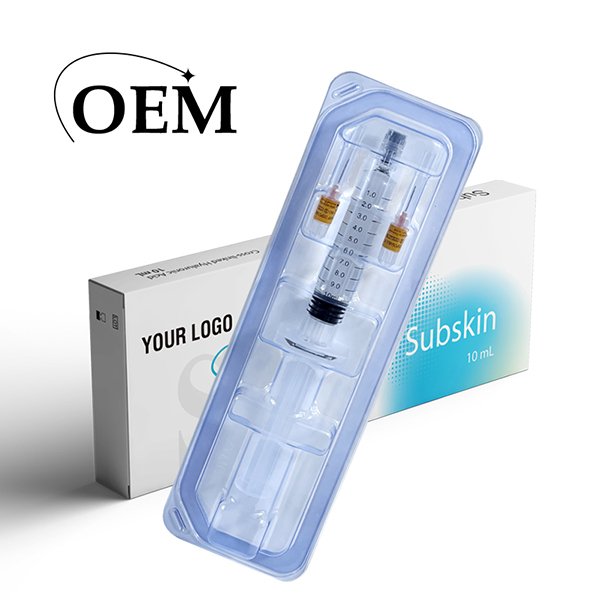
Hyaluronic acid (HA) fillers have become one of the most popular and trusted non-surgical cosmetic treatments worldwide. Specifically for cheek augmentation, they offer a powerful solution for restoring lost volume, enhancing facial contours, and creating a more youthful, balanced appearance. Unlike surgical implants, HA fillers are injectable gels that integrate naturally with your skin’s tissues. Hyaluronic acid is a substance already found abundantly in your body, particularly in the skin, joints, and eyes, where it provides hydration and volume. As we age, our natural production of HA decreases, leading to volume loss, sagging skin, and the formation of wrinkles. Cheek fillers aim to reverse these signs by replenishing that lost volume, lifting the mid-face, and smoothing out deeper folds.
The popularity of this treatment is backed by significant data. According to the American Society of Plastic Surgeons, over 3.4 million soft tissue filler procedures were performed in 2023, with cheek augmentation being among the top five most requested areas. The global dermal filler market, valued at approximately $5.7 billion in 2023, is projected to grow steadily, driven by technological advancements and increasing social acceptance. The primary appeal lies in the treatment’s minimally invasive nature, immediately visible results, and relatively low downtime compared to surgery. Major brands like Juvéderm Voluma, Restylane Lyft, and Belotero Balance are FDA-approved specifically for cheek enhancement and have extensive clinical safety profiles. Understanding what the journey entails—from consultation to aftercare—is crucial for anyone considering this transformative procedure.
The Consultation: Your Blueprint for Success
Your journey begins with a comprehensive consultation with a qualified medical professional, such as a board-certified dermatologist or plastic surgeon. This step is non-negotiable and is the foundation for a safe and satisfactory outcome. A reputable practitioner will never proceed with treatment during the first consultation.
During this 30 to 60-minute session, your provider will:
- Review Your Medical History: They will discuss your overall health, allergies (especially to bacterial proteins like lidocaine), current medications (particularly blood thinners), and any history of cold sores or autoimmune conditions. Full transparency here is vital for safety.
- Discuss Your Aesthetic Goals: You’ll explain what you hope to achieve. Bringing reference photos can be helpful. A skilled injector will manage expectations, explaining what is realistically possible based on your unique facial anatomy and bone structure.
- Perform a Facial Analysis: The provider will examine your face at rest and during animation (smiling, talking). They will assess skin quality, existing volume, symmetry, and underlying bone structure. They may take standardized photographs for documentation.
- Develop a Customized Treatment Plan: Based on the analysis, your provider will recommend the specific type of HA filler best suited for your cheeks (some are thicker for deep volume, others are softer for subtle blending), the estimated amount needed (typically measured in syringes, e.g., 1-2 syringes per side), and the injection technique (e.g., supraperiosteal for deep structural support or subcutaneous for contouring).
- Explain Risks, Costs, and Alternatives: You will receive clear information on potential side effects (bruising, swelling), rare risks (vascular occlusion), the total cost (which can range from $800 to $2,500 per syringe depending on geographic location and provider expertise), and alternative treatments like poly-L-lactic acid (Sculptra) or fat grafting.
Table 1: Popular FDA-Approved HA Fillers for Cheek Augmentation
| Product Name | Key Characteristics | Best For | Typical Longevity |
| :— | :— | :— | :— |
| Juvéderm Voluma XC | Thick, viscous gel with lidocaine. Designed for deep injection to lift and contour. | Restoring significant volume loss and creating pronounced cheekbone projection. | Up to 24 months |
| Restylane Lyft | A cohesive, biphasic gel. FDA-approved for cheek augmentation and correction of age-related volume loss in the hands. | Adding volume and lift to the mid-face. | 12-18 months |
| Belotero Balance | Softer, more flexible gel that integrates smoothly into the skin. | More subtle enhancement and blending of the cheek transition area. | 6-12 months |
| Radiesse (Note: Not an HA filler; Calcium Hydroxylapatite) | A biostimulatory filler that provides immediate volume and stimulates collagen. | Patients seeking both immediate correction and long-term collagen remodeling. | 12-18 months |
The Treatment Day: A Step-by-Step Guide
On the day of your appointment, arrive with a clean face, free of makeup. The entire procedure usually takes between 30 to 45 minutes.
Step 1: Preparation and Numbing
You will be seated in a reclining medical chair. Your provider will clean the treatment area with an antiseptic solution. While most modern HA fillers are pre-mixed with lidocaine (a local anesthetic) for comfort, many practitioners apply a topical numbing cream 15-30 minutes prior to further minimize sensation. In some cases, a dental block or nerve block may be used for more extensive work.
Step 2: The Injection Process
Using a very fine needle or a blunt-tipped microcannula, your provider will begin the precise injection process. A cannula is often preferred for cheek filler as it may reduce bruising and allows the provider to place product safely across a broader area from a single entry point. You may feel slight pressure, a mild stinging, or a cool sensation as the gel is deposited in strategic layers and planes. Your injector will frequently step back to assess symmetry and may massage the area gently to ensure even distribution.
Step 3: Immediate Aftercare
Once the injections are complete, the provider may apply ice packs to minimize swelling and bruising. You will be given a mirror to review the initial results. It is critical to understand that you will see immediate improvement, but the final, settled result will appear in about 2-4 weeks as swelling subsides and the product fully integrates.
Recovery, Results, and Long-Term Maintenance
The “downtime” is minimal but requires mindful aftercare to optimize results and reduce complications.
First 24-48 Hours:
- Swelling and Bruising: Expect moderate swelling and potential bruising. This is normal. Applying ice intermittently (10 minutes on, 10 minutes off) is highly effective.
- Activity Restrictions: Avoid strenuous exercise, excessive heat (saunas, hot showers), and alcohol, as these can exacerbate swelling.
- Sleeping: Try to sleep on your back with your head elevated to reduce morning swelling.
- Avoid Pressure: Do not massage the area unless specifically instructed by your provider. Be gentle when washing your face or applying skincare.
First 2 Weeks:
Swelling and any bruising will subside significantly. The filler will continue to settle and soften, looking more natural. By the end of the second week, most patients feel comfortable with their appearance in social settings. Makeup can be applied after 24 hours to cover any residual bruising.
Long-Term Results & Maintenance:
HA fillers are not permanent. As shown in Table 1, most last between 12-24 months in the cheeks due to the area’s lower movement. Metabolism, lifestyle, and the specific product used affect longevity. To maintain your results, you will need follow-up “touch-up” treatments. Many patients schedule these annually. A long-term plan with your provider ensures natural, progressive enhancement and prevents the “overfilled” look.
Potential Risks and How to Mitigate Them
While highly safe when administered by a trained professional, all medical procedures carry inherent risks.
Common, Temporary Side Effects:
- Redness, swelling, tenderness, itching, and bruising at injection sites. These typically resolve within 3-7 days.
Less Common, More Serious Complications:
- Asymmetry: Can occur due to swelling or uneven injection. Often correctable with minor adjustment.
- Lumps or Nodules: Usually technique-related or due to swelling. They often smooth out but may require massage or enzymatic dissolution (with hyaluronidase).
- Vascular Compromise (Occlusion): This is the most serious risk, occurring if filler is accidentally injected into a blood vessel. It can block blood flow, leading to tissue necrosis (skin death) or, in extremely rare cases, blindness. This is why choosing an expert with profound knowledge of facial anatomy and the ability to manage emergencies is paramount. Signs include severe pain, blanching (white skin), or mottled discoloration. Immediate treatment with hyaluronidase (an enzyme that dissolves HA) is required.
Mitigation Strategy: Your single greatest risk-reduction factor is provider selection. Choose a board-certified physician in dermatology or plastic surgery who performs filler injections regularly, understands deep facial anatomy, and has hyaluronidase readily available.
Professional Q&A: Your Hyaluronic Acid Filler Questions Answered
Q1: How do I choose between a filler for my cheeks and a surgical cheek implant?
A: This hinges on your goals, anatomy, and tolerance for downtime/invasiveness. Fillers are ideal for adding moderate volume, creating subtle lift, and allowing for reversible, customizable adjustments over time with no scarring. They involve minimal recovery. Surgical implants are better for patients seeking dramatic, permanent changes to their underlying bone structure or who have severe volume deficiency. Surgery involves longer downtime, anesthesia, and permanent implants. A consultation can determine which is suitable for you.
Q2: I’ve heard filler can “migrate.” Is this true with cheek fillers?
A: True migration of the HA gel mass is rare with modern, cohesive fillers placed in the correct anatomical plane (deep on the bone). What is often mistaken for migration is the natural spreading of the product within the tissue as it integrates, or the settling of swelling, which can make the product appear to have moved slightly. Using an experienced injector who employs precise technique and appropriate product selection minimizes any unintended movement.
Q3: Can HA cheek fillers be dissolved if I don’t like the result?
A: Yes, this is a key safety advantage of HA fillers. An enzyme called hyaluronidase can be injected to dissolve the filler, usually within 24-48 hours. This is used for correcting over-treatment, asymmetry, or complications like vascular occlusion. However, dissolution should not be seen as a routine “undo button”; it’s a medical procedure with its own risks and should be performed by an expert.
Q4: What is the latest advancement in HA filler technology for cheeks?
A: The frontier is in biostimulatory fillers and tailored rheology. While Radiesse (CaHA) has been a leader in biostimulation, newer HA fillers are being engineered to not only provide volume but also to more effectively stimulate the body’s own collagen production for longer-lasting, more natural results. Furthermore, companies are developing fillers with specific “rheological properties” (flow and elasticity) designed for precise facial layers, allowing for more natural-looking augmentation that moves dynamically with the face.