
For many, the delicate under-eye area is a source of aesthetic concern, often showing the earliest signs of aging, fatigue, or genetic predisposition. Hollows, dark circles, and fine lines can be stubbornly resistant to even the most diligent skincare routines. Enter hyaluronic acid (HA) under eye fillers—a premier, minimally invasive treatment that has revolutionized cosmetic enhancements by offering a targeted solution for rejuvenating the tear trough and mid-face region. This guide provides a comprehensive, expert-driven overview of everything you need to know about this popular procedure, grounded in the latest data and best practices.
Understanding Hyaluronic Acid and Its Role in Under Eye Rejuvenation
Hyaluronic acid is a sugar molecule (glycosaminoglycan) that occurs naturally in our skin, joints, and eyes. Its primary function is to retain water—up to 1,000 times its weight—making it a superb humectant and volume provider. In youthful skin, HA is abundant, contributing to plumpness, hydration, and elasticity. However, with age, sun exposure, and lifestyle factors, our natural HA levels deplete, leading to volume loss, skin thinning, and the formation of shadows and hollows under the eyes.
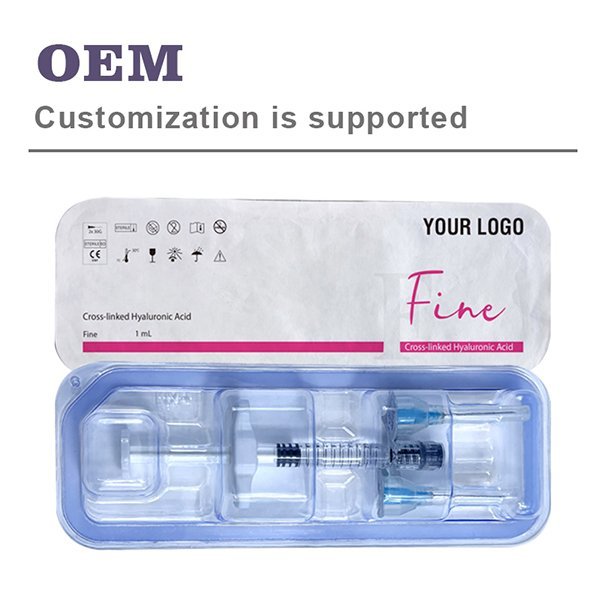
Under eye fillers, specifically formulated with cross-linked hyaluronic acid, are designed to address these concerns. Unlike the thicker HA gels used for cheek or jawline augmentation, tear trough fillers are typically softer, more cohesive, and smoother to integrate seamlessly with the thin under-eye skin. They work by:
- Restoring Lost Volume: Filling the depression of the tear trough (the groove that runs from the inner corner of the eye down the cheek) to smooth the transition between the lower eyelid and the upper cheek.
- Improving Skin Hydration and Quality: HA draws and retains moisture, improving skin texture and reducing the appearance of fine lines.
- Camouflaging Dark Circles: By adding a layer of material over the underlying vasculature and muscles that can create a bluish or purple hue, fillers can significantly lighten the appearance of dark circles caused by shadows and thin skin.
According to the American Society of Plastic Surgeons’ 2023 data, soft tissue fillers (including HA) remain one of the top five minimally invasive cosmetic procedures, with millions performed annually. Their precise application in the under-eye area requires an injector with expert knowledge of facial anatomy to ensure safety and a natural-looking result.
The Procedure: What to Expect from Consultation to Recovery
A successful under-eye filler treatment hinges on a meticulous process, beginning long before the actual injection.
1. The Essential Consultation:
This is the most critical step. A qualified practitioner (a board-certified dermatologist or plastic surgeon) will assess your facial anatomy, skin quality, and concerns. They will discuss your medical history, rule out contraindications (like active infections or severe allergies), and set realistic expectations. They should use this time to explain the specific HA product chosen, as not all fillers are suitable for the delicate under-eye zone. The best candidates are those with mild to moderate hollowing or shadowing, with good skin elasticity.
2. The Treatment Session:
The procedure itself is relatively quick, often taking 30 to 45 minutes.
- Preparation: The area is cleansed, and a topical numbing cream may be applied. Most modern HA fillers also contain lidocaine, a local anesthetic, to enhance comfort during the injection.
- Injection Technique: Using a very fine needle or cannula (a blunt-tipped tube), the practitioner strategically places tiny amounts of filler along the tear trough and sometimes the upper cheek for support. The cannula technique is often preferred for this area as it may reduce bruising and provides a safer pathway around delicate blood vessels. The injector will likely ask you to sit upright to assess the effect in real-time against gravity.
- Massaging and Assessment: The product may be gently massaged to ensure smooth integration. You will be given a mirror to provide feedback.
3. Recovery and Aftercare:
Downtime is minimal, but proper aftercare is crucial for optimal results and to minimize side effects.
- Immediately After: Common temporary side effects include mild swelling, redness, tenderness, and possible bruising. The practitioner may apply ice.
- First 24-48 Hours: Avoid strenuous exercise, excessive heat (saunas, hot showers), alcohol, and blood-thinning medications to reduce bruising. Sleep with your head elevated.
- First Two Weeks: Avoid pressure on the area, including vigorous rubbing or facial treatments. Swelling and any initial lumpiness typically subside within this period, revealing the final, smoother result.
Results are immediately visible, though the true final outcome emerges after swelling resolves. Effects typically last between 9 to 18 months, depending on the product used, your metabolism, and lifestyle factors.
Efficacy, Safety, and Managing Risks: A Data-Driven Perspective
Hyaluronic acid fillers are FDA-approved and considered very safe when administered by a skilled professional. Their non-permanent nature is a key safety feature, as any undesired outcome or complication can often be reversed with an enzyme called hyaluronidase, which dissolves HA.
However, the under-eye area is a high-risk zone due to thin skin and complex vasculature. Understanding potential risks is part of informed consent.
Common, Temporary Side Effects:
- Bruising, swelling, redness, tenderness, and itching. These usually resolve within 5-7 days.
Less Common, More Serious Risks:
- Tyndall Effect: A bluish discoloration caused if filler is placed too superficially. This can often be corrected with massage or dissolution.
- Lumps or Irregularities: Can result from improper technique or swelling. Massage or hyaluronidase may be needed.
- Vascular Compromise: The most serious risk, where filler is inadvertently injected into a blood vessel, potentially blocking it and compromising blood supply to the skin (leading to necrosis) or even the retina (causing blindness). This underscores the absolute necessity of choosing an injector with expert-level knowledge of facial anatomy and experience with the under-eye region.
A 2023 review in the Journal of Cosmetic Dermatology emphasized that complication rates are significantly lower when procedures are performed by experienced, board-certified physicians in appropriate clinical settings.
The table below summarizes key data on patient satisfaction and persistence based on recent clinical evaluations:
| Aspect | Typical Outcome / Data Point | Notes |
|---|---|---|
| Patient Satisfaction | 85-92% reported high satisfaction | Higher satisfaction correlates with realistic expectations and expert injection. |
| Duration of Effect | 9 to 18 months | Varies by product (e.g., Restylane-Lyft, Juvederm Volbella, Belotero). |
| Major Complication Rate | < 0.1% | Includes vascular events. Risk minimized with cannula use and expert injectors. |
| Most Common Side Effect | Bruising (~20-30% of cases) | Use of arnica, avoiding blood thinners pre-procedure can reduce incidence. |
| Reversibility | 100% with Hyaluronidase | A major safety advantage of HA fillers over permanent options. |
Comparing Alternatives and the Future of Under Eye Treatments
While HA fillers are a gold standard for volume loss, they are not the only option. A holistic assessment determines the best approach.
- For Primarily Pigmented Dark Circles: Topical agents (Vitamin C, retinoids, hydroquinone) or laser treatments (like fractional or pigment-specific lasers) may be more effective.
- For Excess Skin/Fat (Bags): Lower blepharoplasty (surgical eyelid lift) is the definitive treatment.
- For General Rejuvenation: Skin boosters (injectable, non-cross-linked HA for deep hydration), PRP (Platelet-Rich Plasma), or laser resurfacing can improve skin quality alongside or instead of filler.
- Other Fillers: Calcium hydroxylapatite (e.g., Radiesse) is sometimes used off-label for deeper support but is not typically recommended for the very thin tear trough skin due to higher risk of nodules.
The future of under-eye treatment is moving towards combination therapies (e.g., a little filler for volume plus a laser for skin texture) and personalized formulations. Research is also focused on longer-lasting, biosimilar HA products and advanced imaging technology to guide injectors for even greater precision and safety.
Professional Q&A: Your Top Questions Answered
Q1: I’ve heard fillers can cause “puffiness” or make the under-eye area look worse. How can I avoid this?
A: This is often due to poor product selection or placement. An experienced injector will use a soft, flexible HA product designed for the tear trough and place it deeply on the bone, not superficially under the skin. They will also use a conservative amount—the goal is to improve the shadow, not to overfill and create a bulge. Cannula use can also promote smoother, more even distribution.
Q2: How do I choose the right injector? What questions should I ask?
A: Prioritize board certification in dermatology or plastic surgery. Ask about their specific experience with tear trough fillers—how many they perform monthly. During consultation, they should assess your entire facial structure, discuss risks thoroughly, and show you before-and-after photos of their own patients. Ask which specific product they recommend for you and why. Avoid discount clinics where the priority may be volume over individualized care.
Q3: Are the results immediate, and what if I don’t like them?
A: Results are visible immediately, though the first week will involve settling from swelling. The great advantage of HA fillers is their reversibility. If you are unhappy with the outcome due to overfill, asymmetry, or lumps, your provider can inject hyaluronidase to dissolve the filler, usually within a few days. This is a powerful safety net not available with permanent fillers or fat grafting.
Q4: What is the latest data on the longevity of different HA fillers in the under-eye area?
A: As of 2024, clinical follow-ups indicate that products like Juvederm Volbella and Restylane Refyne/Lyft (when used for cheek support) often show persistence for 12-15 months. Newer, more cohesive products are aiming for 18-month longevity. Remember, individual factors like metabolism, activity level, and skin quality play a huge role. A 2023 study in Aesthetic Surgery Journal noted that patients with slower metabolic rates and healthier lifestyles tended to enjoy longer-lasting results.