
Introduction to Hyaluronic Acid Fillers & The Initial Consultation
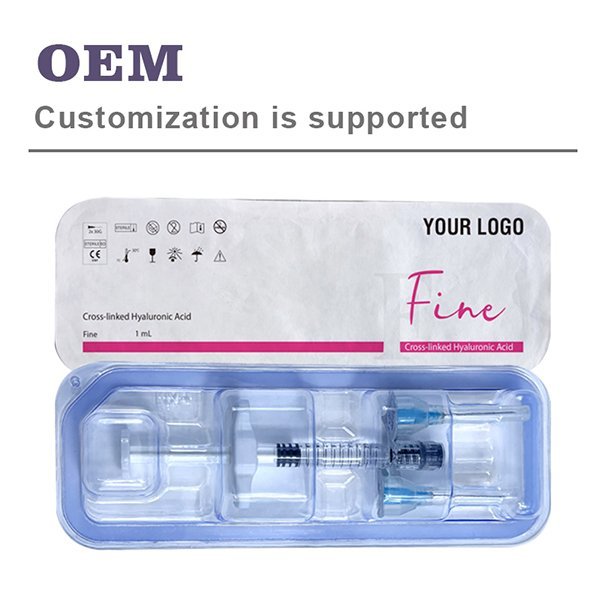
Hyaluronic Acid (HA) fillers have revolutionized the field of aesthetic medicine, offering a minimally invasive solution to restore volume, smooth wrinkles, and enhance facial contours. If you’re considering this popular treatment, understanding the step-by-step journey—from consultation to recovery—is crucial for setting realistic expectations and achieving optimal results. This guide will walk you through the entire process, demystifying each stage and providing the latest data-driven insights.
Your journey begins with a comprehensive consultation with a qualified medical professional, such as a board-certified dermatologist or plastic surgeon. This is not a mere formality but the cornerstone of a successful outcome. During this 30- to 60-minute session, your provider will:
- Discuss Your Goals: Articulate what you hope to achieve (e.g., smoother nasolabial folds, enhanced lips, more defined cheekbones).
- Review Medical History: Disclose all medications, supplements, allergies (especially to bacterial proteins or lidocaine), and any history of cold sores or autoimmune conditions.
- Perform a Facial Analysis: Assess your skin quality, facial anatomy, bone structure, and symmetry to create a personalized treatment plan.
- Explain Options: Recommend specific HA filler brands (like Juvéderm, Restylane, or Belotero) and quantities based on your anatomy and goals. Different fillers have unique properties (e.g., viscosity, elasticity) suited for various areas.
- Review Costs, Risks, and Alternatives: Provide transparent pricing and discuss potential side effects (swelling, bruising, rare vascular complications) and alternative treatments.
A 2023 survey by the American Society of Plastic Surgeons (ASPS) indicated that over 85% of patients who had a thorough consultation reported higher satisfaction rates, underscoring its importance. Do not hesitate to ask questions during this phase.
Pre-Treatment Preparation and The Day of Your Procedure
Once you’ve scheduled your treatment, proper preparation can significantly influence your experience and recovery.
In the Weeks/Days Before:
- Avoid Blood Thinners: To minimize bruising, stop taking aspirin, NSAIDs (like ibuprofen), high-dose vitamin E, and certain supplements (ginkgo biloba, garlic, ginseng) for 7-10 days prior, but only with your doctor’s approval.
- Consider Arnica: Some studies suggest oral arnica montana or topical arnica gel can reduce bruising.
- Manage Herpes Simplex: If prone to cold sores, your doctor may prescribe an antiviral medication.
- Stay Hydrated and Healthy: Drink plenty of water and avoid alcohol 24-48 hours before.
On Treatment Day:
- Arrive with a clean, makeup-free face.
- The procedure typically takes 30 to 60 minutes.
- Your provider will clean the treatment area and may apply a topical numbing cream for 15-30 minutes. Most modern HA fillers also contain integrated lidocaine, a local anesthetic, for added comfort during and after injection.
The Treatment Process: Step-by-Step
The actual injection process is meticulous and artistic. Here’s what happens once you’re in the treatment chair:
- Marking and Planning: The provider may mark your face with a surgical pen while you are seated upright, identifying key anatomical points and injection sites.
- Final Cleaning: The marked areas are thoroughly cleansed with an antiseptic solution.
- Injection Techniques: Using ultra-fine needles or blunt-tipped micro-cannulas, the provider strategically deposits the gel-like HA filler. The technique varies by area:
- Linear Threading: For lines like marionette lines.
- Fanning/Cross-Hatching: For broader areas like cheeks.
- Serial Punctures: For precise lip definition.
The choice of needle vs. cannula is professional; cannulas may reduce bruising and risk in certain areas.
- Molding and Assessment: Immediately after injection, the provider will gently massage the area to ensure smooth, even distribution and correct any minor irregularities. You will be given a mirror to provide initial feedback while seated.
Discomfort is usually minimal, often described as a brief pinching, pressure, or stinging sensation. Most patients find it very tolerable, especially with the included lidocaine.
Immediate Aftercare and The Recovery Process
What you do immediately after the treatment is critical for your results.
First 24-48 Hours (The Critical Period):
- Swelling and Bruising: Expect mild to moderate swelling and potential bruising. This is normal and peaks within 24-48 hours.
- Ice Application: Apply cool compresses (not ice directly) intermittently for 10-15 minutes at a time to reduce swelling.
- Avoid: Strenuous exercise, excessive heat (saunas, hot tubs), alcohol, and touching/massaging the treated area (unless instructed).
- Sleep: Try to sleep on your back with your head elevated.
The First Two Weeks:
- Swelling and bruising subside significantly. Final results become apparent as the product fully integrates with your tissue and residual swelling resolves.
- Makeup: You can usually apply gentle makeup 24 hours after treatment.
- Follow-up: A follow-up appointment at 2-4 weeks is standard to assess results and determine if any subtle touch-ups are desired.
Results, Longevity, and Understanding Potential Risks
Results and Longevity:
You will see an immediate improvement, though the final, settled result is visible after 2-4 weeks. HA fillers are not permanent. Their longevity depends on the product used, the area treated, your metabolism, and lifestyle. On average, most HA fillers last between 6 to 18 months. A recent meta-analysis in the Aesthetic Surgery Journal (2024) provided the following average longevity estimates:
| Filler Brand (Common Examples) | Best For | Average Longevity |
|---|---|---|
| Restylane-L / Kysse | Lips, Fine Lines | 6-9 Months |
| Juvéderm Volbella / Ultra XC | Lips, Perioral Lines | Up to 12 Months |
| Belotero Balance | Tear Troughs, Fine Lines | 6-9 Months |
| Juvéderm Voluma / Restylane Lyft | Cheeks, Midface Contour | 18-24 Months |
| Juvéderm Vollure / Restylane Defyne | Nasolabial Folds, Marionettes | 12-15 Months |
Potential Risks and Complications:
While safe when administered by a skilled professional, risks exist:
- Common & Temporary: Swelling, redness, bruising, tenderness, itching.
- Less Common: Asymmetry, lumps/bumps (often massagable), delayed-onset nodules.
- Rare but Serious: Vascular compromise (if filler is inadvertently injected into a blood vessel). This can lead to tissue necrosis or, extremely rarely, vision changes. This underscores the non-negotiable importance of choosing an expert with deep anatomical knowledge and emergency protocols.
All HA fillers are also reversible with an enzyme called hyaluronidase, which can dissolve the filler if necessary—an important safety feature.
Post-Treatment Care & Maintaining Your Results
To protect your investment and extend your results:
- Sun Protection: Use a broad-spectrum SPF 30+ daily. UV exposure can break down filler faster.
- Healthy Lifestyle: Maintain a stable weight, stay hydrated, don’t smoke, and limit alcohol.
- Consider Touch-Ups: Schedule maintenance treatments before the product has fully metabolized to maintain continuous volume.
- Skincare: A good skincare regimen with retinoids, antioxidants, and peptides can support skin health and complement your filler results.
By choosing an expert injector, having clear communication, and following pre- and post-care instructions, your HA filler experience can be comfortable, safe, and highly rewarding, leading to a natural, refreshed appearance.
Professional Q&A: Your Hyaluronic Acid Filler Questions Answered
Q1: How do I choose between the many different brands of HA fillers (Juvéderm, Restylane, etc.)?
A: The choice is less about “best brand” and more about the right product for your specific goal. Each brand has a portfolio of fillers with differing properties (G-prime/elasticity, viscosity, particle size). For example, a thicker, more robust product like Juvéderm Voluma is engineered for cheek augmentation, while a softer, more fluid product like Restylane-L is ideal for lips. Your qualified provider will select the product whose characteristics best match your anatomical need and desired outcome. The data in the table above provides a general guideline.
Q2: I’ve heard about “filler fatigue” or “overfilled face.” How can I avoid this?
A: “Filler fatigue” often results from repetitive, excessive volume addition without considering facial balance and natural aging. Prevention is key:
- Start Conservatively: “Less is more” is the golden rule. You can always add more later.
- Focus on Structure: A skilled injector replaces lost volume in deep structural areas (cheeks, midface) which can naturally lift lower face tissue, reducing the need for excessive filler in jowls or nasolabial folds.
- Allow Integration: Wait the full 2-4 weeks to see final results before deciding on more product.
- Choose an Artist, Not Just a Technician: Seek a provider who understands facial aesthetics and aging in three dimensions.
Q3: Are the results truly “natural-looking”? What if I don’t like them?
A: When performed expertly, HA filler results should enhance your features subtly, making you look like a refreshed version of yourself—not “done.” The key is natural movement and expression preservation. A major safety advantage of HA fillers is reversibility. If you are unhappy with the outcome, your provider can inject hyaluronidase, an enzyme that dissolves HA filler, usually within 24-48 hours. This allows for correction of over-treatment, asymmetry, or placement issues.
Q4: What is the latest data on safety and patient satisfaction with HA fillers?
A: Real-time data from the ASPS 2023 report shows hyaluronic acid fillers remain the #1 non-surgical injectable procedure, with over 4.4 million treatments performed annually in the U.S. alone. Complication rates remain very low (estimated at < 1% for serious events), with high patient satisfaction rates (consistently above 90% in post-treatment surveys). Advances in injection techniques, particularly the increased use of blunt-tipped cannulas, and improved provider training are cited as key factors in enhancing safety profiles. Furthermore, ongoing research into longer-lasting, more cohesive products continues to improve the longevity and natural feel of treatments.