
If you’ve ever caught your reflection and noticed those lingering shadows, hollows, or fine lines under your eyes, you’re not alone. The under-eye area is one of the first to show signs of fatigue, aging, and genetic predisposition. In the quest for a refreshed, well-rested appearance, hyaluronic acid (HA) fillers like Juvederm and Restylane have become a cornerstone treatment. But as you consider this popular option, one question inevitably surfaces: What is the real cost?
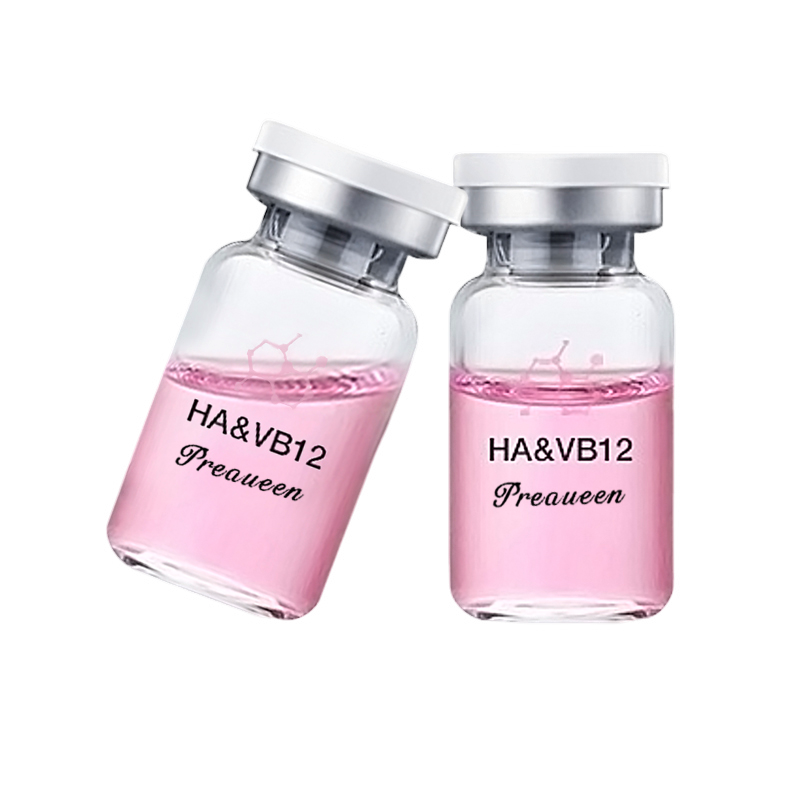
The answer is rarely a single number. It’s a story woven from clinic prestige, practitioner expertise, geographic location, and the unique architecture of your own face. This comprehensive guide will demystify the pricing of under-eye HA fillers, empowering you with the knowledge to make an informed investment in your confidence.
Why Is There Such a Wide Price Range for Under-Eye Fillers?
You might see quotes ranging from $600 to $2,500+ per session. This vast difference isn’t arbitrary; it’s tied directly to value, safety, and results. The under-eye area, known medically as the tear trough, is exceptionally delicate and technically challenging. It requires an artist’s eye and a scientist’s precision.
- Practitioner Expertise & Credentials: This is the most significant cost driver. An injection by a board-certified dermatologist or oculoplastic surgeon with extensive tear trough experience commands a higher fee than one at a medi-spa by a less-experienced injector. You are paying for their deep anatomical knowledge, ability to manage risks (like vascular complications), and artistic skill to create a natural result. As Dr. Amelia K. Roberts, a noted cosmetic dermatologist, states, “The tear trough is a high-reward, high-risk zone. The cost reflects the advanced training required to safely navigate it.”
- Clinic Location & Overhead: A practice on Fifth Avenue in New York or Rodeo Drive in Beverly Hills has inherently higher operational costs than a suburban clinic, which is reflected in pricing.
- Type & Quality of Filler Used: Not all HA fillers are the same. Products specifically formulated for the under-eye area, like Restylane-Lyft or Juvederm Volbella, are designed for smooth integration and minimal swelling. They are more expensive than general-purpose fillers. All FDA-approved fillers have a base manufacturer cost that clinics must cover.
- Amount of Filler Required (Syringes): Some individuals need only 0.5ml (half a syringe) to correct mild hollowing, while others may require 1ml or more per side. Your provider should determine this during consultation, not by selling pre-set packages.
Table: Estimated U.S. Cost Breakdown for Under-Eye Hyaluronic Acid Fillers (2024)
| Factor | Low-End Estimate | Mid-Range Average | High-End Estimate |
| :— | :— | :— | :— |
| Per Syringe (1ml) | $600 – $800 | $800 – $1,200 | $1,200 – $1,800+ |
| Total Typical Treatment (1-2 syringes) | $600 – $1,600 | $1,200 – $2,400 | $2,000 – $3,500+ |
| Key Influences | Med-spa with RN injector; smaller city; general HA filler. | Board-certified MD/DO in metro area; specific tear trough filler. | Top-tier specialist in major city; bespoke assessment & technique. |
Breaking Down the Real Cost: Beyond the Price Tag
Viewing this as a simple commodity purchase is a mistake. The true cost encompasses more than the day-of procedure fee.
1. The Initial Consultation Fee: Reputable practitioners often charge a separate consultation fee ($100-$250), which is usually applied to your treatment. This visit is crucial for assessing your anatomy, discussing realistic goals, and determining if you are a good candidate.
2. The Cost of the Product Itself. As mentioned, premium, FDA-approved fillers have a hard cost. Be wary of prices that seem “too good to be true,” as they may indicate diluted product, counterfeit materials, or an inexperienced injector.
3. The Practitioner’s Skill & Experience (The “Artisan” Fee). This is the value of a beautiful, safe outcome. A masterful injection blends the filler seamlessly, respects the facial lymphatic system, and avoids over-correction (which can lead to a puffy, “filled” look).
4. The Longevity Factor. Quality HA fillers under the eyes typically last 9 to 15 months. A slightly higher upfront cost with a superior injector often means a longer-lasting, more natural result, reducing the annual frequency and long-term cost.
5. Potential “Hidden” Costs:
- Touch-Up Sessions: Some clinics include a minor touch-up within 2-4 weeks; others charge extra.
- Dissolver (Hyaluronidase): In the rare case of over-correction or lumpiness, an enzyme to dissolve HA may be needed, adding cost.
- Follow-Up Appointments: Post-treatment check-ins are standard practice with top providers.
Geographic Variations in Pricing: A National Snapshot
Costs fluctuate dramatically by region. According to aggregated data from cosmetic surgery platforms in early 2024:
- Major Metropolitan Hubs (NYC, SF, LA, Miami): Prices are at their peak, averaging $1,200 – $2,500+ for treatment, driven by high demand and operating costs.
- Midwest & Southwest Cities (Chicago, Dallas, Atlanta): Slightly more moderate, with averages ranging from $900 – $2,000.
- Suburban & Rural Areas: Can see lower starting points ($600 – $1,500), but access to highly specialized tear trough experts may be limited.
Remember, it is never advisable to choose a provider based on price or travel for a “filler vacation.” Follow-up care is essential, and managing complications long-distance is risky.
How to Evaluate Value and Make an Informed Choice
Your under-eyes are not the place for bargain hunting. Here’s a framework for evaluating cost versus value:
- Prioritize Credentials Over Price: Seek a board-certified professional in dermatology or plastic surgery with a prolific portfolio of under-eye before-and-after photos. Look for consistency and natural results.
- Consultation is Key: Use the consultation to interview the provider. Do they explain the risks? Do they recommend a tailored plan or a one-size-fits-all approach? Do you feel heard and comfortable?
- Understand the Total Quote: Ask what the quoted price includes. Is it per syringe or for the entire treatment area? Does it include the consultation, follow-up, or potential touch-ups?
- Beware of Red Flags: Extreme discounts, pressure to buy “today only,” or providers who won’t show their credentials or before-and-after galleries should be avoided.
Professional Q&A: Your Under-Eye Filler Questions Answered
Q1: How long do under-eye fillers actually last, and what factors affect longevity?
A: In the tear trough, HA fillers typically last 9 to 15 months. Longevity is influenced by the product’s characteristics (cross-linking technology), the individual’s metabolic rate (faster metabolisms break down filler quicker), lifestyle factors (sun exposure, smoking, extreme stress), and injection technique. A deeply placed, precise injection tends to last longer than a superficial one.
Q2: What are the most significant risks with tear trough filler, and how do experienced providers mitigate them?
A: The primary risks include bruising, swelling, asymmetry, lumpiness, and the rare but serious risk of intravascular injection (filler entering a blood vessel), which can lead to skin necrosis or blindness. Expert providers mitigate these risks by:
- Using a cannula (a blunt-tipped tube) instead of a needle for greater safety in vascular areas.
- Having an intimate knowledge of facial anatomy.
- Choosing appropriate, softer filler products.
- Injecting small amounts slowly and with meticulous technique.
- Having hyaluronidase (the reversal agent) immediately on hand.
Q3: I’ve heard about “filler fatigue” or overfilling under the eyes. What is this, and how can it be avoided?
A: “Filler fatigue” often refers to a puffy, heavy, or blue-tinged appearance under the eyes that can develop from repeated, overly aggressive filling over years. It can be caused by filler placed too superficially, using a product that’s too viscous, or simply adding too much volume. Avoidance is straightforward: choose a conservative, expert injector who believes in “less is more” and focuses on restoring natural volume deficit rather than creating a new shape. Sometimes, a surgical option like blepharoplasty is a more appropriate and permanent solution for certain types of under-eye concerns.
Q4: Are there any viable, lower-cost alternatives to HA fillers for the under-eye area?
A: While not direct substitutes, some alternatives exist with different cost and efficacy profiles:
- Skincare: Topical retinoids, vitamin C, and peptides can improve skin quality and pigmentation but cannot fill volume loss.
- PRP (Platelet-Rich Plasma) or PRF: Uses your own blood growth factors to stimulate collagen. Results are subtler, require multiple sessions, and are not strictly “filling.”
- Lower Eyelid Surgery (Blepharoplasty): A higher upfront surgical cost ($3,000-$7,000) but addresses excess skin/fat pads permanently, often providing a more dramatic and lasting correction for specific issues.
The “best” option depends entirely on your specific anatomy, goals, and budget, which a qualified professional can help determine.
Disclaimer: This article is for informational purposes only and does not constitute medical advice. The cost data presented are estimates based on 2024 market averages and can vary. Always consult with a qualified, board-certified healthcare professional to discuss your individual needs and treatment options.