
Your Journey to Natural Volume: Understanding the Modern Cheek Filler
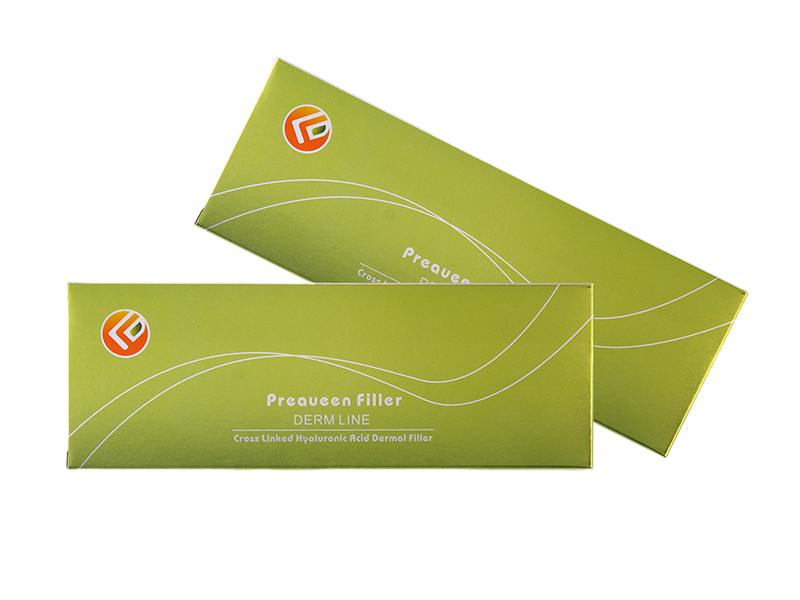
In the ever-evolving world of aesthetic medicine, hyaluronic acid (HA) dermal fillers have revolutionised non-surgical facial rejuvenation. Specifically, cheek filler treatments have surged in popularity, becoming one of the most requested procedures for restoring youthful volume, enhancing facial contours, and achieving a balanced, lifted appearance. Unlike the temporary plumping of skincare products, HA fillers offer a tangible, immediate transformation by directly replenishing the deep structural support that diminishes with age.
Hyaluronic acid is a sugar molecule naturally found in our skin, joints, and connective tissues, renowned for its incredible capacity to bind and retain water—up to 1,000 times its weight. In filler form, it is crafted into a stable, cross-linked gel that integrates into the facial tissues, providing lift, structure, and a natural-looking volume that moves with you. The appeal is clear: a minimally invasive procedure with little to no downtime, results that can last 12-24 months depending on the product and metabolism, and, crucially, reversibility thanks to an enzyme (hyaluronidase) that can dissolve the filler if needed.
The decision to pursue cheek augmentation is often driven by a desire to address age-related volume loss in the midface, which can lead to flattened cheeks, accentuated nasolabial folds, and a general downward drag of facial features. According to the 2024 Aesthetic Plastic Surgery National Databank report, soft tissue filler procedures increased by over 15% from the previous year, with midface/cheek enhancement consistently ranking in the top three treatment areas. This guide will walk you through the entire process, from the first consultation to long-term aftercare, demystifying each step to empower you with knowledge for your aesthetic journey.
The Pre-Treatment Phase: Consultation, Planning, and Preparation
The cornerstone of a successful and satisfying outcome is a comprehensive consultation with a qualified, experienced medical professional—ideally a board-certified dermatologist or plastic surgeon specialising in injectables. This is not a mere formality but a collaborative discussion to align your aesthetic goals with anatomical reality.
During this 30–60 minute session, your practitioner will conduct a thorough facial analysis. They will assess your bone structure, skin quality, existing fat pads, and asymmetries. You’ll discuss your medical history, including any allergies, medications (especially blood thinners), and previous facial treatments. Crucially, you’ll talk about your desires using photos or descriptive terms—seeking a “lifted,” “fuller,” or “more sculpted” look. A skilled injector will manage expectations, explaining what fillers can and cannot do. For instance, fillers add volume and lift but do not significantly tighten skin; for severe skin laxity, combination therapy with energy-based devices like Ultherapy may be suggested.
The product selection happens here. Not all HA fillers are identical. They vary in their gel consistency, viscosity, and elasticity, making them suitable for different purposes. For the deep, structural support needed in the cheeks, a thicker, more cohesive filler is typically chosen. Your provider will select a product based on its rheological properties (how it flows and resists deformation) and its approved indications.
Common Hyaluronic Acid Filler Brands for Cheek Enhancement:
| Brand Name | Key Characteristics | Typical Duration | Best For |
|---|---|---|---|
| Juvéderm Voluma | Thick, highly cohesive gel, designed for deep volumising and lift. | Up to 24 months | Restoring significant midface volume loss, creating pronounced cheekbone projection. |
| Restylane Lyft | Firm, sculptable gel with strong lifting capacity. | 12-18 months | Cheek augmentation and correction of age-related contour deficiencies. |
| Belotero Balance/Contour | Softer integration, versatile range of densities. | 9-12 months | More subtle enhancement or layering for a nuanced result. |
| Teosyal RHA 4 | High elasticity and resistance, designed for dynamic facial movement. | 12-18 months | Creating natural-looking volume that moves seamlessly with expression. |
Preparation in the days before your appointment is straightforward: avoid blood-thinning agents like aspirin, ibuprofen, fish oil, and vitamin E for 5-7 days (as approved by your doctor) to minimise bruising. Stay hydrated and refrain from alcohol 24 hours prior. Arrive with a clean face, free of makeup.
The Injection Procedure: A Detailed, Step-by-Step Walkthrough
On the day of your treatment, you’ll be welcomed into a clean, clinical setting. The procedure itself usually takes between 30 to 45 minutes. Let’s break it down into clear stages:
1. Pre-Procedure Numbing and Marking
While many modern HA fillers contain integrated lidocaine (a local anaesthetic) for comfort, your provider will likely apply a topical numbing cream to the treatment areas for 15-20 minutes beforehand. Once the skin is numb, they will meticulously mark your face while you are seated upright. Using a surgical marker, they’ll outline the key anatomical landmarks—the bone structure, intended injection points, and areas of volume deficit. This map is essential for precision and symmetry.
2. The Cleansing and Sterilisation Step
The numbing cream is carefully removed, and the entire treatment area is cleansed with a medical-grade antiseptic solution like chlorhexidine to eliminate surface bacteria and ensure an aseptic field, drastically reducing any risk of infection.
3. The Injection Technique: Art Meets Science
This is where the practitioner’s expertise truly shines. You will be reclined comfortably. Using a fine, sterile cannula or needle, the injector will begin the process. There is a strategic shift in the industry towards using blunt-tipped cannulas for cheek filler, especially for deeper placement. The cannula is inserted through a single small point, often near the temple or in the pre-auricular area (in front of the ear), and then carefully advanced through the tissue planes to the target area. This technique can reduce trauma, bruising, and the number of puncture sites compared to multiple needle sticks.
The filler is then injected in small, controlled aliquots (droplets or micro-boluses) either directly onto the periosteum (the layer covering the cheekbone) or in the deep subcutaneous plane. The practitioner will use their free hand to continuously palpate and mould the product, ensuring it is placed precisely for optimal lift and contour. You may feel a mild pressure, fullness, or a slight vibrating sensation, but significant pain is uncommon. The process is repeated on the other side, with constant comparison to ensure symmetry.
4. Moulding and Immediate Assessment
Once the planned volume is placed, the injector will gently massage the treated areas to evenly distribute the gel and smooth any potential irregularities. You will then be asked to sit up so the provider, and you, can assess the initial result in a gravity-dependent position. Minor touch-ups may be performed at this stage. A mirror is provided so you can see the immediate transformation—often a visible restoration of cheek projection and a softening of lower-face folds.
Recovery, Aftercare, and Observing Your Results Evolve
One of the greatest advantages of this procedure is the minimal downtime. Immediate aftereffects are normal and typically mild:
- Redness & Swelling: Injection points may show small bumps of redness, and general swelling is expected. This is often most noticeable on days 2 and 3 post-treatment.
- Bruising: Some bruising is possible, especially if needles are used or if you are prone to it. The cannula technique generally minimises this.
- Tenderness: The area may feel tender to the touch for a few days.
Essential Aftercare Instructions (First 72 Hours):
- Apply Ice: Gently apply cold packs (wrapped in a cloth) to the cheeks intermittently to reduce swelling and discomfort.
- Avoid Pressure: Do not sleep directly on your cheeks. Try to sleep on your back.
- Skip Strenuous Activity: Avoid vigorous exercise, saunas, steam rooms, and hot yoga for 48 hours to prevent exacerbating swelling.
- Be Gentle: Avoid massaging the area unless specifically instructed by your provider. Use a gentle touch when cleansing and applying skincare.
- Stay Hydrated: Drink plenty of water to help your skin and the HA integrate well.
The “final” result is not what you see when you walk out of the clinic. The initial appearance includes swelling, which can give a slightly overfilled look. Over the next 2-3 weeks, as the swelling subsides and the HA fully integrates with your tissue, the results soften and settle into a very natural-looking enhancement. This settling period is why practitioners often advise a “less is more” approach, with the option for a subtle touch-up after a month if desired.
Long-term maintenance involves sun protection (daily SPF 30+ is non-negotiable to protect collagen and results), a good skincare regimen, and scheduling a follow-up appointment as recommended by your provider, typically around the 12-18 month mark as the product naturally metabolises.
Professional Q&A: Addressing Your Key Concerns
Q1: How do I choose between a plastic surgeon, dermatologist, or nurse injector for my cheek fillers?
A: The most critical factor is the injector’s expertise, experience, and artistic eye, regardless of their specific title. However, board-certified plastic surgeons and dermatologists have the most extensive medical training in facial anatomy, which is paramount for safety. They are also fully qualified to manage any rare complications. A highly experienced nurse injector working under a supervising physician can also deliver excellent results. Always verify credentials, review before-and-after portfolios of actual patients (focusing on cheek treatments), and prioritise a thorough consultation where you feel heard and understood.
Q2: What are the most serious risks, and how are they mitigated?
A: While generally safe, serious risks include vascular occlusion (where filler is inadvertently injected into a blood vessel, blocking it) and infection. Signs of occlusion include severe pain, blanching (white skin), or mottled discolouration (bluish/purple) appearing soon after injection, and require immediate emergency treatment with hyaluronidase. Skilled injectors mitigate this risk by:
- Using a deep, supraperiosteal technique on bone.
- Preferring blunt cannulas which tend to deflect away from vessels.
- Aspirating before injection (pulling back on the syringe to check for blood).
- Having hyaluronidase readily available in the clinic.
Choosing an experienced, anatomy-savvy provider in a clinical setting is your greatest safety measure.
Q3: I’ve heard filler can “migrate” or last for years. Is this true?
A: This is a common area of confusion. True “migration” of properly placed HA gel is very rare. What is often perceived as migration is actually the filler being placed too superficially or in a mobile area where natural facial movement can shift it over time. Regarding longevity, HA fillers are not permanent. They are metabolised by the body. However, studies using advanced imaging have shown trace amounts of filler material can persist for longer than initially thought, sometimes years. This is why a strategic, conservative approach is key, and why going to an expert who understands facial dynamics and proper placement is crucial for a lasting, natural result.
Q4: Can cheek fillers be combined with other treatments for a more comprehensive result?
A: Absolutely. This is known as a “liquid facelift” or combination therapy. Cheek filler provides structural lift and volume. It is often beautifully complemented by:
- Botulinum Toxin (e.g., Botox): To relax dynamic lines in the forehead, glabella, and crow’s feet.
- Skin Boosters/Profhilo: Less viscous HA injections to improve overall skin hydration, quality, and elasticity.
- Energy-Based Devices (e.g., Morpheus8, HIFU): To stimulate collagen production and tighten skin laxity.
- Filler in Other Areas: Such as the temples, jawline, or lips to achieve overall facial harmony.
A skilled practitioner will develop a holistic treatment plan tailored to your unique anatomy and goals.
Embarking on the journey of cheek enhancement with hyaluronic acid filler is a decision that blends personal desire with medical science. By understanding this detailed, step-by-step process, you are equipped to seek a qualified professional and approach your treatment with confidence, poised to achieve a refreshed, rejuvenated version of yourself. Always prioritise a consultation with a certified expert to discuss your individual needs.