
For many individuals, the delicate under-eye area tells a story—a story of late nights, screen time, genética, or simply the natural passage of time. Hollows, dark circles, and fine lines can cast a shadow of fatigue, even when you feel rested. In the quest for a refreshed, youthful appearance, under-eye fillers with hyaluronic acid (HA) have emerged as one of the most popular and transformative non-surgical cosmetic treatments. But what exactly does this procedure entail, and is it right for you? This comprehensive guide will walk you through everything you need to know—from the science behind the gel to the subtle art of its placement, recovery, and lasting results.
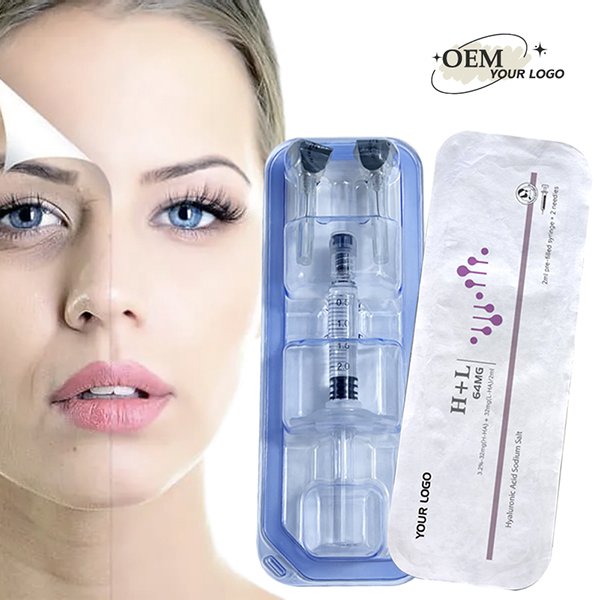
A Ciência do Ácido Hialurônico: More Than Just a Filler
To understand why HA fillers are the gold standard for the under-eye area, we must first look at the molecule itself. O ácido hialurônico é um glicosaminoglicano, a substance naturally found throughout your body, com as maiores concentrações em sua pele, olhos, e tecidos conjuntivos. A single gram of HA can bind up to six liters of water, making it a master of hydration. Na juventude, our skin is abundant with HA, giving it volume, bounce, and that dewy plumpness.
À medida que envelhecemos, production slows down. In the under-eye region, this loss is compounded by the natural thinning of skin and the gradual descent of fat pads, leading to the formation of “lacrimejantes”—the depressions that run from the inner corner of the eye down the cheek. This hollowing creates shadows, often misinterpreted as dark circles, and can accentuate bags.
HA fillers are not a one-size-fits-all substance. They are engineered gels. Through a cross-linking process, HA molecules are bound together to create products with different properties: viscosidade, elasticidade, e G-prime (firmeza). For the incredibly thin and mobile under-eye skin, a skilled practitioner will choose a macio, low-G-prime, altamente coeso enchimento. This ensures a smooth, natural integration that lifts and fills the hollow without creating lumps or a bluish tint (known as the Tyndall effect).
Ponto de dados em tempo real: De acordo com um 2023 report by the American Society of Plastic Surgeons, soft tissue filler procedures have grown by over 80% since 2010, with a significant portion of this growth attributed to under-eye and mid-face rejuvenation. Patient satisfaction rates for HA fillers in the tear trough region consistently report above 90% when performed by experienced injectors.
The Consultation and Procedure: A Step-by-Step Journey
A successful outcome begins long before the needle touches your skin. The initial consultation is the most critical step.
1. A Consulta: Um fornecedor qualificado (dermatologista certificado ou cirurgião plástico) avaliará sua anatomia facial, qualidade da pele, and underlying causes of your concerns. They will determine if you are a good candidate. Ideal candidates have hollowing or loss of volume with relatively good skin elasticity. Those with severe puffiness or very loose, hanging skin may be better suited for a surgical option like blepharoplasty. Your medical history, alergias, e medicamentos (especialmente anticoagulantes) will be reviewed.
2. Pre-Treatment Prep: You may be advised to avoid blood-thinning agents like aspirin, ibuprofeno, óleo de peixe, e álcool para 5-7 days prior to minimize bruising. Arriving with a clean, makeup-free face is standard.
3. The Procedure Day: The actual treatment is relatively quick, muitas vezes tomando 15-30 minutes per eye.
- Entorpecedor: A topical numbing cream is applied first. Muitos preenchimentos modernos de HA também contêm lidocaína, um anestésico local, which makes the injection process more comfortable.
- A técnica de injeção: Usando uma agulha muito fina ou uma microcânula de ponta romba (a preferred tool for the under-eye area due to its safety profile), the provider deposits tiny droplets or micro-boluses of filler along the orbital bone, precisely in the sub-orbicularis oculi fat (SOOF) layer. A técnica da cânula, which involves a single entry point, can reduce swelling and bruising. The goal is to build a smooth bridge from the cheek to the lower lid, restoring lost volume and softening the shadow.
- Moldagem: Imediatamente após a injeção, the provider will gently massage the area to ensure even distribution and a seamless result. You will be asked to sit upright so they can assess symmetry and make any minor adjustments.
What It Feels Like: Patients describe a mild pinching or pressure sensation. The use of cannulas often feels like a vague, deep pressure rather than sharp pinpricks. Any significant pain is rare.
Resultados, Recuperação, and the All-Important Downtime
One of the greatest appeals of under-eye fillers is the minimal downtime. No entanto, setting realistic expectations is key.
Immediately After: You will see an initial improvement, but the area will be swollen. Some patients experience mild bruising, vermelhidão, or tiny bumps at the injection sites. Isso é normal.
O primeiro 48 Horas: Swelling peaks within 24-48 horas. Aplicando compressas frias (gently, no pressure) and sleeping with your head elevated can significantly help. Evite exercícios extenuantes, calor excessivo (saunas, ioga quente), e álcool.
As primeiras duas semanas: As swelling subsides, the true result emerges. The filler also integrates with your tissue and attracts water, often looking more natural and softer after about 14 dias. Any tiny bumps typically settle during this time.
Resultados Finais: You can expect a refreshed, brighter appearance. The hollow shadow is softened, often making dark circles appear less prominent. The goal is not to create a perfectly flat surface but to restore a gentle, youthful convexity. The result should look natural in motion—when you smile, your eyes should still crinkle.
Duração: HA fillers under the eyes are not permanent. The product is gradually metabolized by your body. Os resultados normalmente duram 9 para 18 meses, dependendo do produto utilizado, seu metabolismo, e fatores de estilo de vida.
Recent Aftercare Data: UM 2024 survey of aesthetic clinics found that 85% of patients returning for follow-up after under-eye filler reported being “muito satisfeito” with their recovery process, citing that any post-treatment swelling and bruising resolved faster than they had anticipated.
Comparison of Common Under-Eye Filler Brands
| Marca de enchimento (FDA-Approved) | Características principais | Melhor para | Longevidade típica (Under Eyes) |
|---|---|---|---|
| Restylane®-L / Restylane® Lyft | Versátil, with a range of products. Lyft has more lift for deeper troughs. | Mild to moderate volume loss, cheek support. | 9-12 meses |
| Juvéderm® Volbella® XC | Extremely soft and smooth, low viscosity. Designed specifically for lip and under-eye areas. | Linhas finas, subtle hollowing, áreas delicadas. | 10-12 meses |
| Juvéderm® Vollure™ XC | Balances smoothness with longevity, integrates softly. | Moderate volume loss where a natural feel is paramount. | 12-18 meses |
| Belotero® Balance® | Highly cohesive and integrates evenly into superficial skin layers. | Tear troughs, where the risk of Tyndall effect must be minimized. | 6-9 meses |
| Teosyal® Redensity II | Contains antioxidants and amino acids, marketed for dark circles. | Patients concerned with both volume loss and pigmentation. | 9-12 meses |
Potential Risks and How to Choose the Right Provider
While HA fillers are considered safe, no medical procedure is without risk. Being informed is your best defense.
Comum, Efeitos colaterais temporários: Inchaço, hematomas, vermelhidão, ternura, coceira. These resolve within days to a week.
Rare but Serious Complications:
- Oclusão Vascular: O risco mais sério, onde o preenchimento é inadvertidamente injetado em um vaso sanguíneo, bloqueando o fluxo sanguíneo. This can lead to tissue necrosis (morte) ou, in the eye area, cegueira. This is why choosing an expert with profound anatomical knowledge is non-negotiable. Cannulas can reduce this risk.
- Lumps or Irregularities: Can occur from improper technique or placement of an inappropriate product.
- Tyndall Effect: A bluish discoloration caused by filler placed too superficially.
- Infection or Allergic Reaction: Extremely rare with HA fillers, as HA is biocompatible.
The Paramount Importance of Provider Selection: Your injector’s skill is everything. Look for a board-certified dermatologist, cirurgião plástico, or oculoplastic surgeon who:
- Specializes in facial anatomy and performs fillers regularly.
- Has a portfolio of before-and-after photos specifically for under-eye treatments.
- Uses cannulas and is trained in managing complications.
- Prioritizes a conservative, “menos é mais” approach for this delicate area.
Cost Considerations: Under-eye filler is typically priced per syringe, with most patients requiring 0.5 para 1 syringe per side. Prices range from $600 para $1,200 por seringa. Choose based on expertise, not price. A cheap treatment can be very costly to correct.
Profissional Q&UM: Suas principais preocupações abordadas
1º trimestre: Can fillers completely eliminate my dark circles?
UM: It depends on the cause. If your dark circles are primarily due to hollows casting shadows (structural dark circles), filler can dramatically improve or even eliminate them by lifting the shadow. If they are caused by thin skin revealing underlying blood vessels (vascular) or excess pigment (melanin), fillers will have a more modest effect. In such cases, combination therapy with lasers (like PicoSure for pigment) or skin boosters may be recommended.
2º trimestre: I’ve heard fillers can cause puffiness or “bags.” Is that true?
UM: When performed correctly, filler should not cause puffiness. No entanto, using a filler that is too thick, placing it too superficially, or overfilling can lead to an unnatural, puffy appearance. Skilled injectors place the product deep on the bone to lift the hollow, not in the eyelid itself. Temporary swelling post-treatment is normal and subsides.
3º trimestre: How does under-eye filler interact with later blepharoplasty (eyelid surgery)?
UM: It’s crucial to inform any future surgeon about your filler history. HA filler is reversible with an enzyme called hyaluronidase, which can dissolve the product if needed prior to surgery. In many cases, subtle filler can complement a surgical result by addressing volume loss that surgery alone does not fix. A coordinated plan between your injector and surgeon is ideal.
4º trimestre: Is there an alternative to HA for the under-eyes?
UM: While HA is the preferred and safest choice due to its reversibility, other options exist. Plasma Rico em Plaquetas (PRP) ou Sculptra® (which stimulates collagen) can provide subtle, gradual improvement but are less predictable for precise contouring. Enxerto de gordura is a surgical option with permanent results but carries higher risks of irregularity and is less controllable than HA. For most, HA remains the benchmark.
Q5: Qual é o #1 question I should ask my provider during a consultation?
UM: Beyond asking about their experience and seeing photos, ask: “What is your plan if a complication like vascular occlusion occurs?” A competent, prepared provider will have hyaluronidase on hand, will outline their emergency protocol clearly, and will make you feel confident in their ability to manage any situation. Their answer will tell you everything you need to know about their expertise and preparedness.
Para concluir, under-eye filler with hyaluronic acid is a powerful, minimally invasive tool for rejuvenation. Its success hinges on a profound understanding of facial aesthetics, meticulous technique, and an artistic eye. By choosing a qualified provider, having realistic expectations, and following proper aftercare, you can achieve a brighter, more rested look that reflects how you feel on the inside. The journey is one of subtlety and precision, where the best result is not one that is noticed, but one where you simply look refreshed, rejuvenated, and authentically like yourself.