
De origens humildes: Discovery and Early Applications
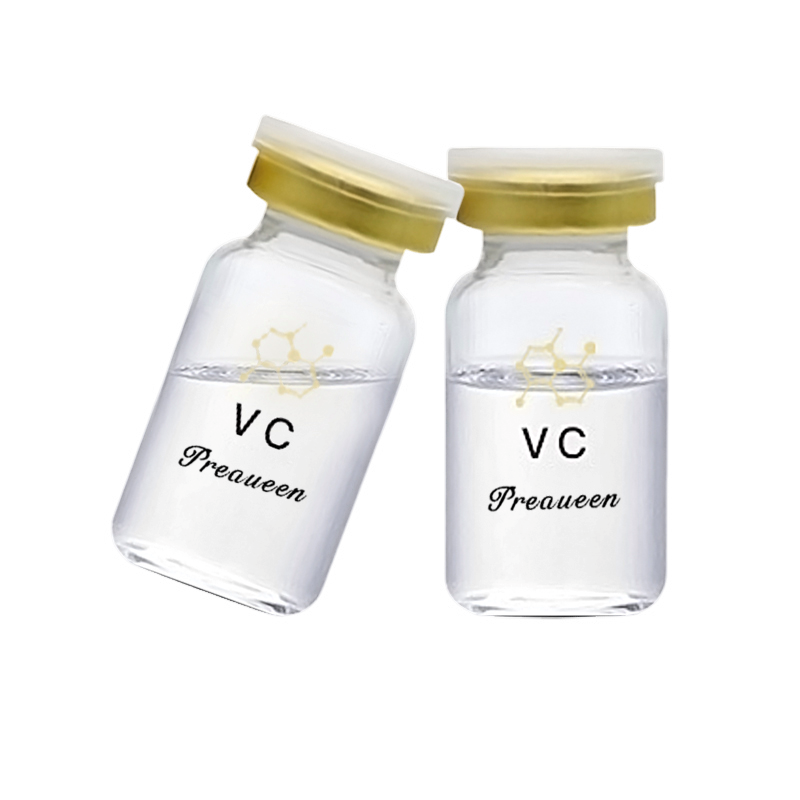
Ácido hialurônico (HA) emergiu como a pedra angular do aprimoramento estético não cirúrgico, but its journey began far from the world of cosmetic clinics. First identified in 1934 by Karl Meyer and John Palmer in the vitreous humor of cows’ olhos, this glycosaminoglycan was initially a scientific curiosity. Its name derives from “hyalos” (Greek for glass) e “uronic acid,” referring to its clear, glassy appearance and chemical structure. For decades, HA remained in the realm of basic science, studied for its remarkable ability to bind water—up to 1,000 times its weight—and its crucial role in skin hydration, joint lubrication, and tissue structure.
The first major medical application came in the 1970s with its use in ophthalmic surgery, specifically for protecting eye tissues during cataract operations. This marked the beginning of its therapeutic potential. No entanto, the natural, unmodified form of hyaluronic acid had a significant limitation for aesthetic use: it was rapidly broken down by the body’s hyaluronidase enzymes, lasting only 1-2 days in tissue. The breakthrough that would ignite the aesthetic revolution was the development of stable cross-linking technology in the 1980s. By chemically bonding the HA chains (initially using BDDE—butanediol diglycidyl ether), scientists created a gel that could resist enzymatic degradation for months, providing the durability needed for soft tissue augmentation. The first commercially available hyaluronic acid dermal filler, Hylaform® (derived from rooster combs), received European approval in the mid-1990s, paving the way for a new era in aesthetics.
The Aesthetic Revolution: Market Approval and Rapid Adoption
The true turning point for HA fillers in global aesthetics occurred in dezembro 2003, when the U.S. Administração de Alimentos e Medicamentos (FDA) approved Restylane®, a non-animal stabilized hyaluronic acid (NASHA) produced via bacterial fermentation. This approval was monumental. It validated the safety and efficacy of HA fillers for correcting moderate to severe facial wrinkles and folds (specifically the nasolabial folds) and offered the first major alternative to collagen fillers, which dominated the market but carried risks of allergic reactions and shorter duration.
The advantages were immediately clear: HA fillers were biocompatible, reversible with hyaluronidase, and provided natural-looking, hydrated volume. The market responded explosively. Aesthetic practitioners rapidly adopted HA fillers, and manufacturers raced to develop new products with varying particle sizes, cross-linking densities, and gel characteristics to treat different areas—from fine lines to deep volume restoration.
This period saw the launch of iconic products that defined the first generation of modern HA fillers. Juvéderm® (FDA approved in 2006) offered a smoother, more homogeneous gel compared to Restylane’s particulate gel. The competition between these two brands fueled innovation and improved physician technique. The 2000s became the decade where “lunchtime procedures” entered the public lexicon, and non-surgical facial enhancement became mainstream, driven largely by the safety profile and predictable results of HA-based products.
Technological Evolution: Tailoring Gels for Precision and Artistry
As clinical experience grew, so did the demand for more specialized tools. The one-size-fits-all approach was insufficient for the nuanced art of facial contouring. The evolution shifted from simply filling lines para restaurando o volume, redefining contours, e rejuvenating the entire facial structure. This required a new generation of fillers with engineered rheological properties—the science of how gels flow, deform, and hold their shape.
Manufacturers began producing a diverse portfolio of products by manipulating:
- Cross-linking Degree: Higher cross-linking increases longevity and creates a firmer gel for deep structural support.
- Particle Size/Concentration: Larger particles or higher HA concentrations provide greater lifting capacity.
- Gel Hardness (G') & Elasticity (G”): These measure a gel’s stiffness and its ability to return to shape after deformation—critical for matching product to facial area.
This led to the development of cohesive polydesigned fillers, which balance lift, integração, and natural movement. Por exemplo, firmer, high-G’ products are now dedicated for cheek augmentation and chin projection, while softer, low-G’ gels are designed for delicate tear troughs and lip enhancement.
Além disso, the latest frontier involves integrated anesthetic (lidocaine) directly into the syringe, vastly improving patient comfort, and the pursuit of longer-lasting results. Products like Juvéderm Volux®, approved for jawline and chin contouring, e Restylane Defyne® & Kysse®, designed for dynamic areas like marionette lines and lips, showcase this era of hyper-specialization. The most recent innovations even incorporate antioxidant technologies (por exemplo, Juvéderm Volite with HA with Glycerin) aimed at improving overall skin quality alongside adding volume.
The Modern Landscape: Trends, Dados, and Safety
Today, hyaluronic acid fillers represent the dominant force in the global injectables market. They are the gold standard for non-surgical facial rejuvenation. The market data reflects their entrenched status.
Global Aesthetic Dermal Filler Market Overview (2023-2024)
| Métrica | Dados & Source | Significance |
| :— | :— | :— |
| Global Market Size (2023) | USD $6.8 billion (Grand View Research) | Demonstrates massive, established industry. |
| Projected Market Size (2030) | USD $10.8 billion (GVR, CAGR 6.8%) | Indicates strong, sustained growth demand. |
| Dominant Product Type | Preenchimentos de ácido hialurônico (~80% revenue share) | Clear market leadership over other biostimulants. |
| Key Growth Drivers | Minimally-invasive preference, aging demographics, product innovation, rising male adoption. | Trends point to continued expansion. |
| Fastest-Growing Area | Asia-Pacific region (particularly China, India, Coréia do Sul) | Shift in geographic epicenter of aesthetics. |
Current trends extend beyond new products. “The Liquid Facelift” philosophy utilizes HA fillers strategically to restore youthful facial proportions and vectors rather than simply smoothing wrinkles. There’s also a strong focus on prevention and maintenance, with younger patients seeking subtle enhancements. Além disso, the rise of social media and “tweakments” has demystified procedures, though it has also highlighted the critical importance of practitioner skill and artistry to avoid over-treatment and unnatural results.
Safety remains paramount. While HA fillers are among the safest aesthetic procedures, awareness of potential complications—from bruising and swelling to the rare but serious risk of vascular occlusion—has never been higher. This has driven mandatory advanced anatomical training, the universal availability of hyaluronidase as an emergency reversal agent, and improved injection protocols that prioritize safety above all else.
The Future: Bio-Integration, Longevidade, and Personalized Aesthetics
The evolution of HA fillers is far from complete. The next generation is focused on biostimulation and bio-integration. Researchers are looking at fillers that not only provide immediate volume but also actively stimulate the body’s own production of collagen and elastin over time, creating a more durable regenerative effect. Combining HA with other bioactive molecules, peptides, or growth factors is a key area of exploration.
Extended longevity is another major goal. While current products last 6-24 months depending on type and area, next-gen technologies aim to create more durable yet still reversible gels. The challenge is balancing persistence with safety and the ability to correct if needed.
Finally, the future is personalized. With advanced 3D imaging and AI analysis, treatments will become increasingly tailored. Practitioners may one day use a patient’s specific facial scan to select a custom blend of filler characteristics or even use bioprinting technologies to create patient-specific HA-based implants for reconstruction and augmentation. The core molecule—hyaluronic acid—will remain central, but its applications will become more sophisticated, natural, and integrated with holistic facial aesthetics and skin health.
Profissional Q&A on Hyaluronic Acid Fillers
1º trimestre: What is the key chemical difference between earlier and modern HA fillers that accounts for their longer duration?
UM: The critical difference is the degree and technique of cross-linking. Early HA was uncross-linked or lightly cross-linked, making it susceptible to rapid degradation by hyaluronidase. Modern fillers use cross-linking agents like BDDE to create stable bonds between HA chains. This forms a cohesive 3D gel network that is more resistant to enzymatic breakdown and mechanical forces, allowing it to maintain its shape and volume in the tissue for 6 para 18 months or more. The specific cross-linking technology (por exemplo, Hylacross, Vicross, NASHA, OBT) is proprietary and defines each product’s unique gel behavior.
2º trimestre: With the rise of biostimulatory fillers (like PLLA and CaHA), are HA fillers becoming obsolete?
UM: Absolutely not. HA fillers and biostimulants serve complementary, often synergistic, roles. HA fillers provide immediate, predictable, and reversible volume correction and contouring. Biostimulants work gradually by stimulating the body’s own collagen production over months. The current trend in advanced aesthetic practice is combination therapy: using HA for immediate shape and volume restoration while employing a biostimulant concurrently to build underlying collagen support for longer-term structural improvement and skin quality. HA remains the workhorse for its control, safety profile, and instant results.
3º trimestre: What are the most significant safety advancements in HA filler injection practice in the last decade?
UM: The most critical advancements are centered on preventing and managing vascular complications. These include:
- Enhanced Anatomical Training: Mandatory, in-depth training on the 3D vascular anatomy of the face, emphasizing high-risk zones.
- Cannula Use: Increased adoption of blunt-tip microcannulas for safer dissection through tissue, reducing the risk of intravascular puncture compared to sharp needles in certain areas.
- Aspiration Technique: While debated, aspiration before injection remains a standard safety check for many practitioners.
- Universal Hyaluronidase Protocol: The immediate availability of hyaluronidase in every clinic is now non-negotiable for emergency reversal of filler causing vascular compromise.
- Recognition and Treatment Protocols: Widespread dissemination of clear protocols (like the STOP algorithm) for recognizing symptoms of occlusion (pain, blanching, mottling) and initiating immediate treatment with high-dose hyaluronidase.
4º trimestre: What is the current real-world data on the longevity of the latest generation of HA fillers in different facial areas?
UM: Longevity is highly variable based on product, area, injection technique, and individual metabolism. No entanto, recent clinical studies and consensus guidelines provide general timelines:
- Lips & Tear Troughs: 6-12 meses. These are highly dynamic or thin-skinned areas with faster metabolism.
- Dobras Nasolabiais & Marionette Lines: 9-18 meses, especially with newer, more cohesive fillers designed for these folds.
- Cheeks, Queixo, and Jawline: 12-24 meses. These are areas of deep structural support with less movement, and firmer, high-G’ fillers used here tend to integrate well and last longer. Products like Juvéderm Voluma or Restylane Lyft are specifically indicated for these areas with clinical data supporting results up to two years. Patient lifestyle (por exemplo, intense exercise, metabolic rate) also plays a significant role.