
In today’s aesthetics landscape, non-surgical facial enhancement continues to revolutionize how we approach anti-aging and facial contouring. Among the most sought-after procedures is the non-surgical cheek lift using hyaluronic acid (HA) preenchimentos dérmicos. This innovative treatment offers a compelling alternative to traditional surgery, providing noticeable lifting, dar volume, and rejuvenating effects with minimal downtime. Whether you’re looking to restore lost volume, define your cheekbones, or achieve a more youthful facial contour, HA fillers present a versatile and effective solution. This guide delves deep into the science, process, benefícios, and considerations of this popular treatment.
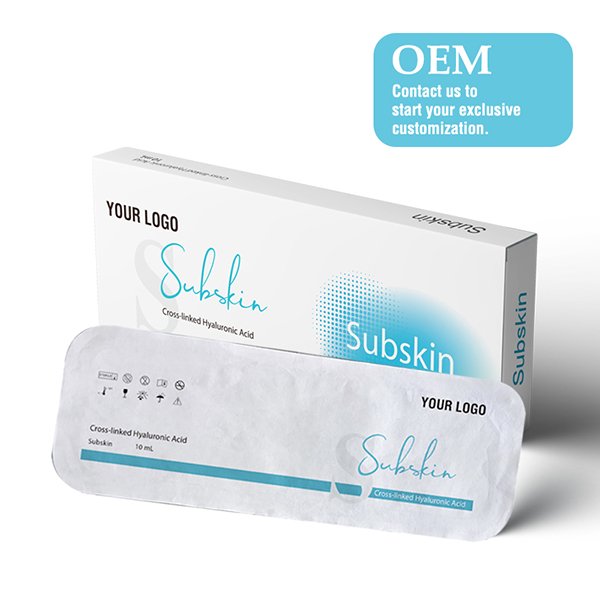
Understanding Hyaluronic Acid and Its Role in Facial Rejuvenation
Hyaluronic acid is a naturally occurring sugar molecule found throughout the body, com altas concentrações na pele, tecidos conjuntivos, e olhos. Sua principal função é reter água, keeping tissues well-lubricated and moist. Na pele, HA atua como um umectante, binding up to 1000 vezes seu peso em água, which is crucial for maintaining volume, hidratação, e elasticidade.
À medida que envelhecemos, the body’s natural production of hyaluronic acid declines, leading to a loss of moisture, volume, and skin plumpness. This degradation contributes significantly to the formation of wrinkles, folds, and a general sagging appearance, particularly in the mid-face area. The cheeks are often one of the first areas to show signs of volume depletion, leading to a flattened appearance, pronounced nasolabial folds (linhas de sorriso), and a loss of the youthful, triangular facial shape.
Dermal fillers composed of hyaluronic acid are designed to combat these signs of aging. They are gel-like substances that are injected into the skin to:
- Restore Volume: Directly replace lost HA, plumping up the cheek area.
- Provide Structural Support: Act as a scaffold to lift and support sagging skin and tissues.
- Stimulate Collagen: Some evidence suggests HA may gently stimulate the body’s own collagen production over time.
- Hydrate the Skin: Attract and hold water in the treated area, improving skin quality.
The HA used in fillers is typically synthesized via biofermentation processes, making it biocompatible and non-animal derived, which minimizes the risk of allergic reactions. Different fillers are engineered with varying degrees of cross-linking (the bonds between HA molecules) to create products with distinct properties—some are better for fine lines, while others are designed for deep volumizing and lifting in areas like the cheeks.
O Procedimento: What to Expect During a Non-Surgical Cheek Lift
A non-surgical cheek lift is a precise medical procedure that should only be performed by a qualified and experienced medical professional, como um dermatologista ou cirurgião plástico.
1. Consulta:
The journey begins with an in-depth consultation. Your provider will assess your facial anatomy, qualidade da pele, e estrutura óssea. You’ll discuss your aesthetic goals, história médica, and any medications or supplements you take. Using this information, the provider will develop a customized treatment plan, selecting the most appropriate type and quantity of hyaluronic acid filler for your needs. They may use imaging technology or simply mark your face to visualize the injection points.
2. Preparation:
On the day of treatment, the cheek area will be cleansed. A topical numbing cream is often applied to maximize comfort. Some HA fillers also contain a local anesthetic (lidocaína) within the gel for added comfort during and after the injection process.
3. O processo de injeção:
Usando uma agulha fina ou cânula (um tubo de ponta romba), the provider strategically injects the HA gel into the deep dermal or subcutaneous plane of the cheeks. The goal is to place the product precisely along the cheekbones and in areas of volume loss to create a lifting effect. Common injection techniques for cheeks include:
- Supraperiosteal Placement: Injecting deep onto the bone for foundational support.
- Rosqueamento Linear: Depositing the filler in a line along the cheekbone.
- Ventilando: Spreading the product from a single entry point to cover a broader area.
- hachura cruzada: Creating a grid pattern for even distribution.
The procedure typically takes between 30 para 60 minutos.
4. Aftercare and Downtime:
One of the key advantages is the minimal downtime. You may experience mild swelling, vermelhidão, hematomas, or tenderness at the injection sites, which usually subsides within a few days. Your provider will give you aftercare instructions, which often include:
- Evitar exercícios extenuantes para 24-48 horas.
- Não tocar ou massagear a área (a menos que seja instruído).
- Evitando calor excessivo (saunas, sunbathing) and alcohol for a couple of days.
- Sleeping on your back the first night.
Results are often visible immediately, embora a final, settled look emerges after 1-2 weeks as any minor swelling dissipates.
Benefits, Longevidade, and Safety Profile
Benefits Compared to Surgical Cheek Lifts:
- Non-Surgical & Minimally Invasive: No general anesthesia, incisions, or scarring.
- Tempo de inatividade mínimo: Patients can typically return to normal activities within a day or two.
- Aparência Natural, Gradual Enhancement: Allows for subtle, incremental changes.
- Reversível: A unique advantage of HA fillers is that they can be dissolved with an enzyme called hyaluronidase if you are unhappy with the results.
- Customizable: Treatment can be tailored precisely to your facial symmetry and goals.
Longevity and Maintenance:
The results of HA cheek fillers are not permanent. The longevity depends on the product used, a técnica de injeção, e fatores metabólicos individuais (por exemplo, age, qualidade da pele, estilo de vida).
| Marca de enchimento (Common for Cheeks) | Approximate Longevity | Características principais |
|---|---|---|
| Juvéderm Voluma | Até 24 meses | Specifically FDA-approved for cheek augmentation; designed for deep injection and lifting. |
| Restylane Lyft | Até 18 meses | FDA-approved for cheek augmentation and correction of age-related volume loss. |
| Belotero Equilíbrio/Contorno | 6-12 meses | Integração mais suave, often used for more subtle enhancement or blending. |
| Teosyal RHA | 12-18 meses | Designed with high elasticity to withstand dynamic facial movements. |
Mesa: This table provides a general overview. Always consult your provider for the best product for your individual needs.
Most patients require touch-up treatments to maintain optimal results, typically scheduling them every 12-24 meses.
Safety and Potential Side Effects:
HA fillers have an excellent safety profile when administered correctly. Comum, temporary side effects include the bruising and swelling mentioned above. Rare but more serious risks include:
- Comprometimento Vascular: The most significant risk is accidental injection into a blood vessel, which can block blood flow and potentially lead to tissue damage (necrose) ou, em casos extremamente raros, cegueira. This underscores the critical importance of choosing an expert injector with profound knowledge of facial anatomy.
- Lumps or Irregularities: Can occur due to improper technique or placement.
- Infecção: Como acontece com qualquer injeção, there is a minimal risk.
- Reação alérgica: Extremely rare with modern, bio-synthesized HA.
Choosing a board-certified provider in a clinical setting is the single most important factor in ensuring a safe and successful outcome.
Is a Non-Surgical Cheek Lift Right for You? Candidacy and Realistic Expectations
An ideal candidate for a non-surgical cheek lift is someone who:
- Has mild to moderate volume loss in the mid-face/cheek area.
- Experiences sagging skin that has started to descend towards the jawline.
- Has good skin elasticity.
- Is in good general health without active skin infections.
- Has realistic expectations about what the procedure can achieve.
This treatment is não suitable for individuals:
- With severe skin laxity who would benefit more from a surgical facelift.
- With certain autoimmune diseases or a history of severe allergic reactions.
- Who are pregnant or breastfeeding.
Managing expectations is crucial. A non-surgical cheek lift can provide remarkable lifting and volumizing, but it cannot remove excess skin or achieve the same degree of dramatic, long-lasting lift as a surgical malar (bochecha) lift. It is a powerful tool for rejuvenation and enhancement, not a replacement for surgery in advanced cases.
Profissional Q&A on Non-Surgical Cheek Lifts
1º trimestre: How do I choose between different brands of hyaluronic acid fillers for my cheeks?
UM: The choice is best made in collaboration with your injector. They will consider your facial anatomy, the degree of volume loss, and your desired outcome. For significant lifting and augmentation, mais firme, more robust fillers like Juvéderm Voluma or Restylane Lyft are often the gold standard. For more subtle enhancement or patients with thinner skin, a softer product may be chosen. Your provider’s expertise with specific products is also a key factor.
2º trimestre: Can HA cheek fillers be combined with other treatments for a better result?
UM: Absolutamente. Isso é conhecido como “abordagem combinada” ou “lifting líquido.” Cheek fillers are frequently combined with:
- Toxina Botulínica (por exemplo, botox): To relax dynamic wrinkles in the forehead or around the eyes.
- Other Fillers: To treat nasolabial folds, linhas de marionete, or lips for overall facial balance.
- Skin Treatments: Such as laser resurfacing, chemical peels, or microneedling to improve skin texture and tone alongside the added volume.
Combining treatments often yields a more comprehensive, harmonious rejuvenation.
3º trimestre: What are the latest trends or advancements in HA filler technology for cheek augmentation?
UM: O campo está evoluindo rapidamente. As principais tendências incluem:
- More Cohesive Fillers: New formulations aim for better integration with natural tissue for a smoother, more natural feel.
- RHA (Ácido Hialurônico Resiliente) Enchimentos: Designed to be more elastic and dynamic, moving naturally with facial expressions.
- O “Hourglass” ou “V-Shape” Lift: A technique focused on augmenting the cheeks and pre-auricular area to pull the mid-face upward, creating a more defined, youthful facial contour.
- Increased Emphasis on Facial Balance: The focus is shifting from simply adding volume to strategically placing filler to restore natural proportions and light reflection for a truly natural result.
4º trimestre: What is the average cost of a non-surgical cheek lift, and is it covered by insurance?
UM: Costs vary widely based on geographic location, the provider’s expertise, e a quantidade de produto utilizado. Em média, you can expect to pay between $800 para $2,500 por seringa, with most patients requiring 1-2 syringes per cheek for a noticeable lift. Because it is an elective cosmetic procedure, it is not covered by health insurance. During your consultation, your provider will give you a precise quote based on your treatment plan.
Conclusão
The non-surgical cheek lift with hyaluronic acid dermal fillers stands as a testament to the advancements in aesthetic medicine, offering a safe, eficaz, and accessible path to facial rejuvenation. By restoring lost volume and providing structural support, it can subtly turn back the clock, enhance natural beauty, and boost confidence—all without the scalpels and lengthy recovery of surgery. The cornerstone of success lies in thorough research, choosing a highly qualified and experienced medical professional, and maintaining open communication about your goals. With this approach, you can achieve a refreshed, naturally lifted appearance that reflects your inner vitality.