
Para muitos, the delicate under-eye area is a source of cosmetic concern. Dark circles, hollows (frequentemente chamado “lacrimejantes”), and fine lines can contribute to a perpetually tired, aged appearance, even when you feel well-rested. In the quest for a refreshed, rejuvenated look, ácido hialurônico (HA) under eye fillers have surged in popularity as a minimally invasive solution. But with this popularity comes important questions: How do they work? What are the real risks and benefits? And most critically, is this treatment the right choice for você? This comprehensive guide will delve into the science, o procedimento, and the crucial considerations to help you make an informed decision.
Understanding Hyaluronic Acid and How It Works Under the Eyes
O ácido hialurônico é uma molécula de açúcar encontrada naturalmente em todo o corpo, com as maiores concentrações em sua pele, tecidos conjuntivos, e olhos. Its primary function is to retain water—a single gram can hold up to six liters—keeping tissues well-lubricated and plump. À medida que envelhecemos, nossa produção natural de HA diminui, levando à perda de volume, desidratação, e a formação de rugas.
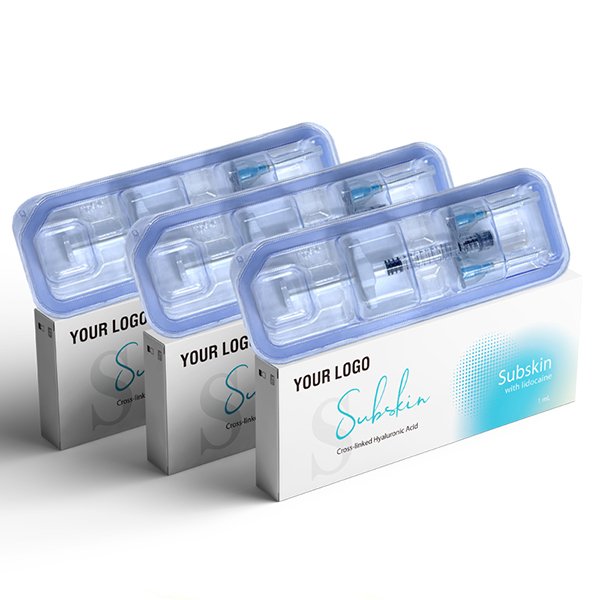
Under-eye fillers are precisely injected gels composed of cross-linked HA. Unlike topical skincare products that sit on the skin’s surface, fillers work from within. When injected by a skilled practitioner into the deep dermis or subcutaneous layer, they:
- Restore Volume: They directly fill hollows and troughs, lifting the depression that creates shadows (a primary cause of dark circles).
- Hydrate and Plump: Their water-binding properties improve skin quality, smoothing out fine, crepey texture.
- Stimulate Collagen: Some evidence suggests HA fillers may provide a subtle, secondary boost to collagen production over time.
It’s crucial to understand that not all HA fillers are the same. The under-eye area is one of the most technically challenging and high-risk zones for filler injection. Portanto, practitioners use specific products designed for superficial, delicate tissue. These fillers are typically less viscous, more fluid, and smoother than those used for cheeks or lips to ensure a natural, seamless result and minimize lumpiness.
The Ideal Candidate: Who Can Benefit Most?
Hyaluronic acid under-eye filler is not a one-size-fits-all solution. It is excellent for addressing specific, structural concerns but ineffective for others. The best results are seen in individuals who are good candidates.
You may be an ideal candidate if your primary concerns are:
- Volume Loss (Tear Trough Deformity): You have noticeable hollowing or a deep groove running from the inner corner of the eye down the cheek.
- Shadow-Induced Dark Circles: The darkness is primarily due to the shadow cast by a hollow, not thin skin revealing underlying blood vessels or hyperpigmentation.
- Mild to Moderate Skin Laxity: The filler can provide a subtle tightening effect by adding structural support.
This treatment is likely NOT suitable for you if:
- Your main concern is primarily “bags” caused by herniated fat pads. Filler added to a bulging area can make it appear more pronounced.
- Dark circles are caused by significant hyperpigmentation or extremely thin, translucent skin. In these cases, treatments like chemical peels, lasers, or topical brighteners may be more effective.
- You have severe skin laxity or excessive hanging skin. This often requires a surgical blepharoplasty (eyelid lift).
- You have certain medical conditions, such as active autoimmune diseases, a history of severe anaphylaxis, or bleeding disorders.
- You are pregnant or breastfeeding.
A paramount step is a consultation with a dermatologista certificado ou cirurgião plástico who specializes in injectables. They can accurately diagnose the cause of your under-eye concerns and determine if filler is the appropriate tool.
O Procedimento, Recuperação, and What to Expect
A skilled injection technique is the single most important factor for success and safety in the under-eye area.
The Process:
- Consulta: Your provider will assess your anatomy, discutir metas, revisar histórico médico, and explain risks.
- Preparation: A área é limpa. Topical or local anesthetic is often applied to maximize comfort.
- Injeção: Usando uma agulha ou cânula muito fina (um tubo de ponta romba), the provider strategically places tiny droplets or threads of filler along the bone and in the deep tissue. The cannula technique is increasingly favored for this area as it may reduce bruising and the risk of intravascular injection.
- Moldagem: The provider may gently massage the area to ensure even distribution and a smooth result.
- Cuidados posteriores imediatos: You will be given ice packs to minimize swelling and bruising.
Recuperação & Resultados:
- Tempo de inatividade: Mínimo. Most people return to normal activities immediately, though some plan for 1-2 days due to potential bruising.
- Efeitos colaterais: Common temporary effects include redness, inchaço, ternura, hematomas, and slight asymmetry. Eles normalmente se resolvem dentro 3-7 dias.
- Resultados Finais: While improvement is immediate, a final, settled result is visible after about 2 weeks once all swelling has subsided.
- Longevidade: Under-eye fillers typically last 9 para 18 meses, dependendo do produto utilizado, seu metabolismo, e fatores de estilo de vida.
Crucial Safety Note: The under-eye region has a complex vascular network. An injector must have an expert understanding of this anatomy to avoid the rare but serious risk of oclusão vascular (blocking a blood vessel), which can lead to skin necrosis or, even more critically, cegueira. This underscores the non-negotiable importance of choosing an exceptionally qualified and experienced medical professional.
Comparing Your Options: Uma aparência baseada em dados
To contextualize HA fillers, it’s helpful to compare them with other common approaches for under-eye rejuvenation. The table below summarizes key alternatives.
| Treatment Modality | Mecanismo Primário | Melhor para | Tempo de inatividade | Average Cost (NÓS) | Duração dos Resultados |
|---|---|---|---|---|---|
| Preenchimento Dérmico HA | Physical volume restoration & hidratação | Tear trough hollows, volume-related shadows | 0-2 dias (for bruising) | $600 – $1,500 por seringa | 9-18 meses |
| Surgical Lower Blepharoplasty | Removal/redistribution of fat, excision of excess skin | Significant under-eye bags, excess skin laxity | 7-14 dias | $3,000 – $8,000 | 10+ anos (permanent for fat removal) |
| CO2 or Fractional Laser | Collagen remodeling via controlled injury | Linhas finas, crepey texture, some pigmentation | 5-10 dias (for redness/peeling) | $1,000 – $2,500 por sessão | 1-3 anos |
| PRP/PRF Injection | Use of own growth factors to stimulate tissue | Mild hollowing, overall skin quality improvement | 1-2 dias | $500 – $1,500 por sessão | 12-18 meses |
| Topical Retinoids & Brighteners | Increase cell turnover, inhibit melanin | Linhas finas, mild hyperpigmentation | Nenhum (possible initial irritation) | $20 – $200 (produto) | Requires ongoing use |
Data is sourced from 2023-2024 American Society of Plastic Surgeons (ASPS) estatísticas, dermatology practice averages, and industry reports. Costs are highly variable by geographic region and provider expertise.
Making Your Decision: Key Questions to Resolve
Choosing to proceed with under-eye filler is a personal medical decision. Before moving forward, ensure you have clear, satisfactory answers to these questions from your provider:
- Am I truly a good candidate based on my specific anatomy and concerns? (Request a mirror during consultation to have them point out the exact issues.)
- What is your experience and how many under-eye filler treatments do you perform regularly? (Ask to see before-and-after photos of deles patients.)
- Which specific product do you recommend for me and why? (Expert injectors have a curated arsenal and choose products based on the area.)
- Do you typically use a needle or cannula for this area, and what is your rationale?
- What are your specific protocols for managing rare but serious complications like vascular occlusion?
- Qual é o custo total, and does it include any potential touch-up appointments?
Em última análise, hyaluronic acid under-eye filler can be a transformative, low-downtime procedure for the right person with volume-based concerns. Its success hinges almost entirely on the skill and artistry of the injector. By prioritizing a consultation with a board-certified specialist, having realistic expectations, and understanding both the profound benefits and potential risks, you can confidently determine if this path aligns with your journey toward looking as refreshed as you feel.
Profissional Q&A on Hyaluronic Acid Under-Eye Fillers
P: How do I know if my dark circles are from hollows (good for filler) or pigmentation (not good for filler)?
UM: Perform the “light test.” In bright, direct light (like by a window), look in a mirror. If the dark shadow diminishes or disappears, the cause is likely structural hollowing casting a shadow, which filler can improve. If the darkness remains unchanged and is a flat, brownish or bluish discoloration, it is likely due to pigmentation or thin skin, which is better addressed with topical agents (like vitamin C, retinol), chemical peels, or laser treatments.
P: I’ve heard fillers can migrate or cause “bags” ao longo do tempo. Isso é verdade?
UM: True migration of the HA gel bolus is uncommon with modern, well-integrated products when placed correctly. No entanto, filler can be displaced by natural facial movement or improper injection. More commonly, what appears as a “bag” post-filler is persistent swelling, encher demais, or filler placed too superficially. An experienced injector uses precise depth and minimal necessary product to create a natural lift that integrates with your tissues, minimizing these risks. Filler can also be dissolved with hyaluronidase enzyme if needed.
P: What are the absolute “red flag” signs of a complication I should watch for after treatment?
UM: While swelling and bruising are normal, entre em contato com seu provedor IMMEDIATELY if you experience:
- Severe pain that is worsening.
- Mottled, blotchy, or white skin discoloration (livedo reticularis or blanching) in the treated area or surrounding skin.
- Vision changes, eye pain, or sudden loss of vision.
These can be signs of vascular compromise and require emergency intervention. A reputable provider will give you their emergency contact information and instructions post-treatment.
P: With new skincare technologies like potent peptides and growth factors, are fillers becoming obsolete for under-eyes?
UM: Not at all. Topical skincare and injectable fillers work on fundamentally different levels and are often complementary. Topical products excel at improving skin qualidade—texture, tom, and fine lines via surface-level stimulation. Fillers address structural volume loss beneath the skin that no topical product can correct. The most comprehensive approach often involves using effective skincare for daily maintenance and opting for filler to strategically restore the underlying architecture that aging has diminished.