
Understanding Cheek Volume Loss and the Role of Hyaluronic Acid Fillers
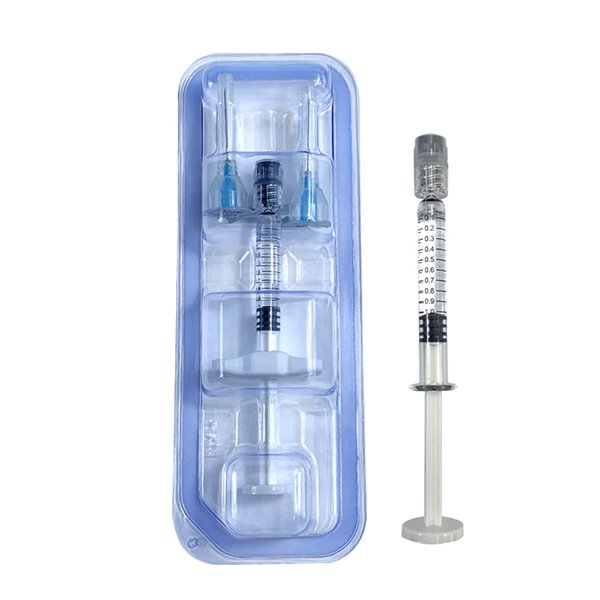
The contours of our face tell a story of time, genética, e estilo de vida. Among the most significant changes we experience as we age is the gradual loss of volume in the midface, particularly in the cheek area. This isn’t merely about skin losing elasticity; it’s a deeper, structural change. Youthful cheeks are supported by a robust network of fat pads (like the malar fat pad) and ample collagen and hyaluronic acid. Ao longo do tempo, these fat pads diminish and descend, collagen production slows, and the skin’s natural hyaluronic acid content decreases. The result is a flattening of the cheek contour, aprofundamento das dobras nasolabiais (lines from nose to mouth), and a general appearance of tiredness or sagging that no amount of topical skincare can fully reverse.
Ácido hialurônico (HA) cheek fillers have emerged as a premier, minimally invasive solution to this complex issue. Unlike surgical options like cheek implants, HA fillers are gel-like substances injected precisely to restore lost volume, lift sagging tissues, and redefine the cheekbone contour. The genius of modern HA fillers lies in their versatility and reversibility. They are designed to integrate with the skin’s own tissues, providing natural-looking support and stimulation of collagen production over time. The treatment requires no general anesthesia, has minimal downtime, and results are immediate, making it a cornerstone of modern aesthetic medicine. De acordo com a Sociedade Americana de Cirurgiões Plásticos’ 2023 statistics, soft tissue fillers (the category including HA) remain one of the top five minimally invasive procedures, com mais 4.4 million performed annually, a testament to their widespread acceptance and effectiveness.
Who is the Perfect Candidate? Key Indicators and Desired Outcomes
O “ideal candidate” is not defined by a specific age, but by a set of anatomical characteristics, preocupações, e fatores de estilo de vida. This treatment is highly personalized, aiming to meet individual aesthetic goals while aligning with biological reality.
1. Individuals Experiencing Age-Related Volume Depletion:
The most common candidates are adults, typically in their late 30s to 60s, who have noticed a visible loss of fullness in their upper cheeks. They often say their face looks “cansado,” “drawn,” ou “sagged” even when well-rested. There is a visible flattening under the eyes and a descent of the midface that contributes to the formation of deeper lines. They seek not to look “feito” or overfilled, but to restore the natural, supportive architecture their face once had.
2. Those with Naturally Flat or Underprojected Cheekbones:
Aging isn’t the only factor. Some younger adults (in their 20s and 30s) have genetically lower or flatter cheekbones. For them, HA fillers offer a non-surgical path to enhanced facial contouring, creating more defined, higher-set cheekbones that bring balance and dimension to their facial features. This is often part of a “pré-juvenescimento” strategy, strengthening the facial structure before significant aging occurs.
3. Patients Seeking a “Liquid Facelift” Effect:
By strategically placing filler in the cheeks, an expert injector can create a lifting effect on the surrounding tissues. This can subtly improve the appearance of the lower face, jowls, and nasolabial folds. The ideal candidate for this approach desires a refreshed, rejuvenated look but wants to avoid the cost, tempo de inatividade, and invasiveness of a surgical facelift.
4. Individuals with Good Skin Elasticity and Realistic Expectations:
The best results are seen in patients whose skin retains a reasonable degree of elasticity. The filler adds volume, but the skin must “drape” over this new structure smoothly. Crucialmente, the ideal candidate has realistic goals. They understand that fillers restore volume and contour but do not drastically remove excess skin or replace a surgical solution for severe sagging. A thorough consultation with a qualified provider is essential to align expectations with achievable outcomes.
5. People Prioritizing Minimal Downtime and Non-Permanent Solutions:
The ideal candidate has a busy lifestyle and cannot afford extended recovery time. HA filler treatments typically involve minor swelling or bruising that subsides within a few days to a week. Além disso, the temporary nature of HA (duradouro 12-24 meses dependendo do produto e metabolismo) is appealing to those who are cautious or desire flexibility as their face continues to change.
The Consultation and Treatment Process: Safety and Customization
The journey begins with an in-depth consultation with a board-certified dermatologist or plastic surgeon specializing in injectables. This is not a sales pitch, but a medical assessment. The provider will evaluate your facial anatomy, qualidade da pele, estrutura óssea, and discuss your goals. They will review your medical history, incluindo quaisquer alergias, medicamentos (especialmente anticoagulantes), or previous cosmetic procedures. Photographs are often taken for planning and comparison.
O tratamento em si é relativamente rápido, usually 30-60 minutos. A topical numbing cream may be applied, and many modern HA fillers also contain lidocaine, um anestésico local, for comfort during and after the procedure. Usando uma agulha fina ou cânula (a blunt-tipped tube that may reduce bruising), the provider meticulously injects small amounts of product into predetermined planes beneath the skin. The artistry lies in the precise placement and layering to create a three-dimensional lift that looks entirely natural, even when touching the face. Discomfort is minimal, often described as a brief pressure or mild sting.
Safety is paramount. Escolhendo um experiente, credentialed injector is the single most important factor in avoiding complications such as vascular occlusion (a rare but serious blockage of a blood vessel). The provider’s knowledge of facial anatomy is your greatest safeguard.
Comparative Overview of Common Hyaluronic Acid Cheek Filler Products
Nem todos os preenchimentos de HA são criados iguais. They differ in their concentration of HA, the cross-linking technology that determines their longevity and firmness (G-prime or G’), and their intended depth of placement. A skilled provider selects the product based on the patient’s specific tissue needs and desired outcome.
| Nome do produto (Marca) | Características principais (G’/Firmness, Consistência) | Melhor para na área da bochecha | Longevidade típica |
|---|---|---|---|
| Juvederm Voluma XC | Alto G-prime (very firm), thick gel. | Primary choice for adding significant volume and lift to deep cheek structure. Ideal for moderate to severe volume loss. | Até 24 meses |
| Restylane Lyft | Alto G-prime, cohesive gel. | Adding volume and contour to cheeks and correcting age-related midface volume loss. A robust option for structural enhancement. | 12-18 meses |
| Belotero Libra | Low to medium G-prime, softer, more adaptable gel. | Not typically for deep cheek volume. Used for more superficial fine-tuning or blending around the cheek area. | 6-12 meses |
| Teosyal RHA 4 | High elasticity and stretch capacity, projetado para áreas dinâmicas. | Versátil; can be used for mid to deep dermal injection to restore volume with a focus on natural movement. | 12-18 meses |
| Coleção Revance RHA | Ácido Hialurônico Resiliente, designed to resist degradation from facial movement. | A comprehensive range (RHA 2,3,4) suitable from fine lines to deep volume, emphasizing natural expression. | 12-18 meses |
Data synthesized from manufacturer prescribing information and 2023 clinical practice trends.
Post-Treatment Care and Maximizing Your Results
Immediately after treatment, you can expect some swelling, vermelhidão, and possibly minor bruising at the injection sites. Applying cold compresses gently can help reduce swelling. It’s crucial to follow your provider’s aftercare instructions, which typically include:
- Avoiding strenuous exercise, calor excessivo (saunas, ioga quente), e álcool para 24-48 hours to minimize swelling.
- Not rubbing or massaging the treated area unless specifically instructed.
- Sleeping on your back for the first few nights.
- Being gentle with your skin during cleansing.
While results are visible immediately, the final settled look appears after 2-4 weeks as swelling fully resolves and the filler integrates. To maintain results, touch-up treatments are scheduled as recommended by your provider, usually between 12-24 meses. A holistic approach—combining fillers with good skincare, sun protection, healthy diet, and possibly other treatments like lasers or skin-tightening technologies—will yield the most comprehensive and lasting rejuvenation.
Profissional Q&A em preenchimentos de bochechas com ácido hialurônico
1º trimestre: I’m only 28 but have always felt my cheeks are flat. Am I too young for cheek fillers?
UM: Not at all. While often associated with aging, fillers are increasingly used for “contour enhancement” in younger adults. For someone in their late 20s with genetically flat cheekbones, a small amount of a high-G’ filler placed strategically along the bone can create beautiful, natural-looking definition and balance. O objetivo é o aprimoramento, not correction of aging, and the required product amount is often less than for an older patient.
2º trimestre: How do I choose between a filler and a surgical cheek implant?
UM: This is a fundamental choice between a non-permanent, minimally invasive procedure and a permanent surgical one. Fillers offer no scarring, immediate results, tempo de inatividade mínimo, and flexibility—you can adjust or dissolve them as your face changes. Implants require surgery, carry associated risks, and provide a permanent, fixed change. Fillers are excellent for moderate volume loss and contouring, while implants might be considered for those seeking a very dramatic, permanent change in underlying bone structure. A consultation with a provider who offers both can give you the most objective advice.
3º trimestre: Quais são os riscos reais, e quão comuns eles são?
UM: Quando realizado por um profissional médico qualificado, o procedimento é muito seguro. Comum, efeitos colaterais temporários incluem inchaço, hematomas, vermelhidão, e ternura (occurring in roughly 15-20% de pacientes). Lumps or asymmetry are uncommon and often correctable. The most serious risk is vascular compromise (incidence estimated at 0.001% para 0.08% por seringa), onde o preenchimento é inadvertidamente injetado em um vaso sanguíneo. This is why a provider’s expertise in anatomy, use of cannulas, and knowledge of emergency reversal protocols (using hyaluronidase enzyme) are non-negotiable. Always choose a medical setting equipped for emergencies.
4º trimestre: I’ve heard fillers can “migrar” ou durar anos. Is that true?
UM: This is a topic of much discussion. Moderno, highly cross-linked HA gels are designed to stay in place by integrating with the tissue. “Migration” in the dramatic sense is rare with proper technique and product selection. No entanto, filler can be displaced slightly by natural facial movement over many months. As for longevity, while HA is metabolized, studies using advanced imaging show traces can persist longer than previously thought. No entanto, o aesthetic effect—the visible volume and lift—typically diminishes after 12-24 meses, necessitating a touch-up for maintenance. Choosing an experienced injector minimizes any risk of improper placement.