
Non-surgical cosmetic procedures have revolutionised facial enhancement, with hyaluronic acid (HA) dermal fillers standing out as a premier choice for chin augmentation and contouring. This comprehensive guide explores the transformative journey of chin fillers, from initial consultation to stunning, long-lasting results.
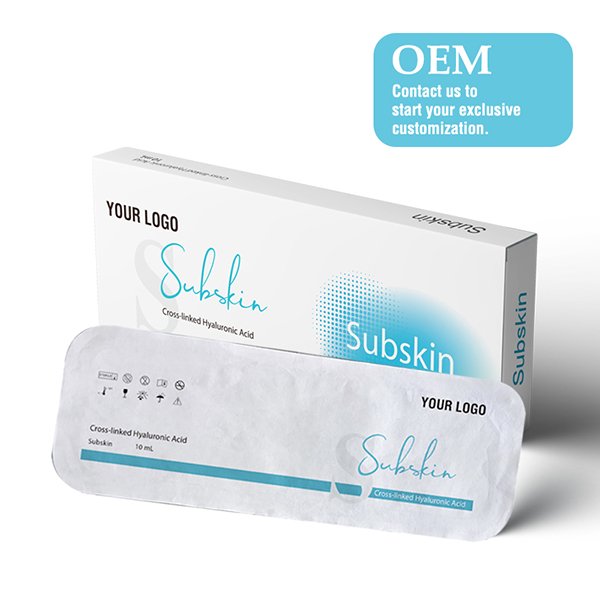
The Science and Appeal of Hyaluronic Acid Chin Fillers
Hyaluronic acid is a naturally occurring sugar molecule found throughout the human body, particularly in skin, tecidos conjuntivos, e olhos. Sua principal função é reter água, keeping tissues well-lubricated and voluminous. Na medicina estética, cross-linked HA gels are used as dermal fillers—safe, biodegradable substances injected to restore volume, linhas suaves, e melhorar os contornos faciais.
Chin augmentation with HA fillers, often called a “non-surgical chin implant” or liquid chinplasty, has surged in popularity. According to the latest 2024 relatório da Sociedade Americana de Cirurgiões Plásticos, chin augmentation using soft tissue fillers is among the top five fastest-growing non-surgical procedures, with a year-over-year increase of over 18%. This growth is driven by several factors: the desire for a more balanced facial profile, a ascensão de “zoom dysmorphia” from video conferencing, and advancements in filler technology that allow for more precise, resultados de aparência natural.
The chin plays a pivotal role in facial harmony. A weak or recessed chin can make the nose appear larger and the neck less defined. By strategically adding volume, practitioners can:
- Improve facial symmetry and balance the proportions between the nose, lábios, e queixo.
- Enhance the jawline definition, creating a more sculpted, aparência jovem.
- Minimise the appearance of a “queixo duplo” or jowls by providing better structural support.
- Boost self-confidence with a subtle yet impactful change.
A jornada do tratamento: O que esperar antes, Durante, e depois
Before the Procedure: Consultation and Planning
The journey begins with a thorough consultation with a qualified, profissional médico experiente (por exemplo, dermatologista, cirurgião plástico, ou injetor licenciado). This critical step involves:
- Facial Analysis: O médico avaliará sua anatomia facial, qualidade da pele, e estrutura óssea subjacente. They will discuss your aesthetic goals—whether you seek subtle projection, improved symmetry, or correction of asymmetry.
- Medical History Review: A complete review of your health, alergias (especialmente para proteínas bacterianas), and current medications (como anticoagulantes) is conducted to ensure safety.
- Expectativas realistas: The provider will use imaging technology or simply point out anatomical landmarks to simulate potential outcomes. They will explain that results are progressive, with final shape becoming apparent after any minor swelling subsides.
- Seleção de Produtos: Various HA filler brands (por exemplo, Juvéderm Volux, Restylane Defyne, Revanesse Contour) are formulated specifically for the chin and jawline. They differ in viscosity, coesividade (como o gel se mantém unido), e longevidade. Your provider will choose the best one for your needs.
O processo de injeção
The actual procedure is relatively quick, muitas vezes tomando 30 para 45 minutos.
- Limpeza e anestesia: The chin area is cleansed. A topical numbing cream is usually applied, and many HA fillers also contain lidocaine, um anestésico local, for comfort during the injections.
- Precise Injection: Usando uma agulha fina ou cânula (um tubo de ponta romba), the provider injects small amounts of filler into targeted planes of tissue. The cannula technique is often preferred for the chin as it may reduce bruising and allows for broader, smoother product placement. The provider will often massage the area to ensure even distribution and contour.
- Immediate Assessment: You will be given a mirror to view the initial result. Swelling will mask the final effect, but the change in profile is often visible immediately.
Aftercare and Initial Recovery
Post-procedure care is straightforward but essential for optimal results and minimal side effects.
- Imediatamente depois: You may experience temporary redness, inchaço, ternura, or minor bruising at the injection sites. An ice pack can help reduce swelling.
- Primeiro 24-48 Horas: Evite exercícios extenuantes, calor excessivo (saunas, chuveiros quentes), álcool, and massaging/rubbing the treated area. Durma com a cabeça elevada.
- Primeiras duas semanas: The filler gradually integrates with your tissue. Swelling subsides, revelando o final, more natural-looking contour. Avoid high-pressure facial treatments.
Analysing the Transformation: Documented Before and After Outcomes
The true power of hyaluronic acid chin fillers is best demonstrated through the visible transformation. O “depois” results typically showcase:
- A More Defined Profile: The most dramatic change is often seen in the side profile. A recessed chin becomes harmoniously projected, criando um mais forte, more aesthetically pleasing line from the lips to the neck.
- Enhanced Facial Balance: A proportionate chin can make the nose appear smaller and the neck more taut, without any work being done on those areas.
- Smoother Jawline Transition: Fillers can soften the angle between the chin and jawline, creating a seamless, contoured look that combats early signs of sagging.
- Natural-Looking Volume: Unlike implants, HA fillers allow for nuanced, incremental enhancement. The result should look and feel like your own chin, just better proportioned.
It’s crucial to understand that results are não permanente. The body gradually metabolises the hyaluronic acid. No entanto, chin fillers using newer, more robust products tend to last longer than fillers in softer areas like the lips due to less movement.
Longevity Comparison of Popular Chin Fillers (Based on 2023-2024 Dados clínicos & Manufacturer Guidelines)
| Marca de enchimento (Primary Indication) | Características principais | Average Longevity in Chin Area | Key Consideration for Results |
|---|---|---|---|
| Juvéderm Volux | High viscosity, alto G', designed for jawline & queixo | 18-24+ meses | Specifically FDA-approved for chin augmentation; offers strong structural support. |
| Restylane Defyne | Coeso, dynamic gel for movement areas | 12-18 meses | Designed to maintain natural expression and movement. |
| Restylane Lyft | A volumising filler also for chin | 12-18 meses | Often used for both chin and cheek enhancement for global balance. |
| Revanesse Contour | Denso, highly cross-linked HA | Até 18 meses | Known for smooth integration and natural feel. |
| Belotero Equilíbrio/Contorno | Softer integration for subtlety | 9-12 meses | May be chosen for very subtle refinements or first-time patients. |
Observação: Longevity varies significantly based on individual metabolism, estilo de vida (por exemplo, fumar, exercise), técnica de injeção, e a quantidade de produto utilizado.
Segurança, Riscos, and Ensuring a Successful Outcome
HA chin fillers are FDA-approved and generally safe when administered by a skilled professional. No entanto, being an injectable procedure, it carries potential risks:
- Comum & Temporário: Hematomas, inchaço, vermelhidão, ternura, coceira.
- Menos comum: Assimetria, caroços ou nódulos, infecção, allergic reaction (rare as HA is biocompatible).
- Raro, mas sério: Comprometimento vascular (filler accidentally injected into a blood vessel), which can lead to tissue injury or blindness. This underscores the non-negotiable importance of choosing a provider with expert knowledge of facial anatomy.
To maximise safety and satisfaction:
- Research Your Provider: Choose a board-certified dermatologist, cirurgião plástico, or nurse injector with specific, proven experience in chin filler and facial anatomy.
- Review Their Portfolio: Examine their before-and-after photos specifically for chin enhancements. Do the results look natural and balanced?
- Have a Detailed Consultation: Ensure you feel heard and that your provider offers a clear, customised plan.
- Follow Aftercare Instructions Diligently.
The Future of Chin Contouring: Trends and Innovations
The field of non-surgical contouring continues to evolve. Current trends for 2024 include:
- “Sculpting” sobre “Enchimento”: The focus is on using filler to create shadows, light, e estrutura, mimicking the effects of cosmetic surgery, rather than just adding volume.
- Tratamentos Combinados: Chin fillers are frequently paired with other treatments for a holistic result—e.g., neurotoxins (como Botox) in the masseter muscle to slim the jaw, ou skin-tightening technologies (like Morpheus8 or Ultherapy) to improve skin quality and laxity.
- Personalised HA Blends: Some advanced practices are customising filler viscosity by blending different products to achieve the perfect balance of support and flexibility for an individual’s anatomy.
- Increased Emphasis on Midface-Chin-Jawline Balance: Practitioners are increasingly treating the lower face as a single aesthetic unit, ensuring enhancements in the chin are in harmony with the cheeks and jawline.
Profissional Q&UM: Your Chin Filler Questions Answered
P: How much does a hyaluronic acid chin filler treatment typically cost?
UM: Os custos variam amplamente por região geográfica, provider expertise, and the amount/type of filler used. A partir de 2024, the average cost in the United States ranges from $1,200 para $2,500 por seringa. Most chin augmentations require 1-2 seringas. It’s essential to prioritise the provider’s skill over price, as this is a medical procedure where precision is critical for safety and aesthetics.
P: Can chin filler be dissolved if I don’t like the result?
UM: Sim. One of the significant safety advantages of HA fillers is their reversibility. Uma enzima chamada hialuronidase can be injected to rapidly dissolve the filler if there is an overcorrection, assimetria, or complication. Dissolution typically occurs within 24-48 horas.
P: O procedimento é doloroso?
UM: O desconforto geralmente é mínimo. Most practitioners use a topical numbing cream beforehand, and modern HA fillers are pre-mixed with lidocaine. Patients often describe the sensation as a brief pinch or pressure. The cannula technique is generally associated with less discomfort than a needle.
P: How soon can I see the final results, and how long will they last?
UM: You will see an immediate change, mas o final, o resultado resolvido é visível após sobre 2 semanas, once all swelling has resolved. As shown in the table above, results typically last between 12 para 24 meses, dependendo do produto e de fatores individuais. Maintenance treatments can be performed to sustain the effect.
P: Who is NOT a good candidate for chin fillers?
UM: Not everyone is suitable. Candidates may be advised against treatment if they are pregnant or breastfeeding, have a history of severe allergies or anaphylaxis, have an active skin infection in the area, or have certain autoimmune conditions. A thorough consultation will determine your candidacy. Individuals with extremely weak chins might also be advised that a surgical genioplasty (chin implant) could offer a more permanent and structurally significant solution.
P: Can chin filler help with “tech neck” or early jowling?
UM: Indirectly, sim. By strengthening and projecting the chin forward, fillers can improve the cervicomental angle (the angle between the chin and neck), making the neck appear tighter and more defined. This can mitigate the appearance of mild skin laxity often associated with “tech neck.” For significant jowling, fillers are often combined with skin-tightening modalities for best results.