
Private Label Filler Startup Guide: From Concept to Global Distribution
Spot the Opportunity & Calculate Your Real Profit
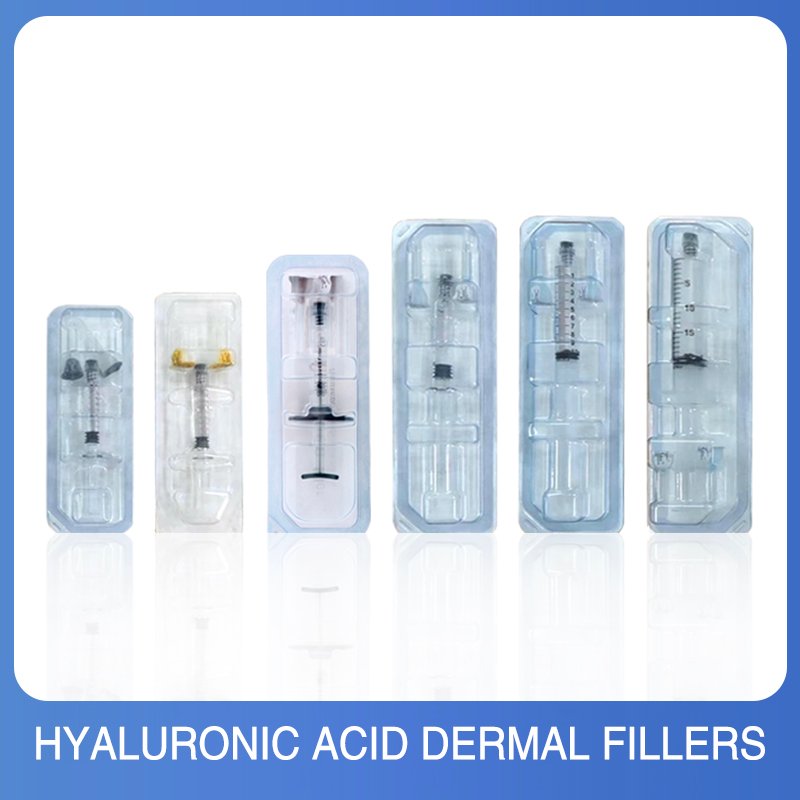
Let’s cut straight to the point. Private label fillers aren’t just a beauty industry niche anymore; they’re a high-margin B2B vertical attracting entrepreneurs from diverse sectors. Whether you’re a medical tourism agency in Turkey, an aesthetics equipment supplier in Germany, a dermatology clinic chain in Mexico, or an e-commerce aggregator in the US, adding a proprietary filler line transforms you from a service provider or reseller into a brand owner with significantly better control and profit margins.

Forget vague promises. Here’s the real math. The global dermal filler market was valued at approximately USD 6.7 billion in 2023 and is projected to grow at a CAGR of over 9.5% from 2024 to 2030. The key driver? The shift from surgical to non-invasive procedures is accelerating worldwide. As a distributor, buying generic syringes and reselling them might get you 30-40% margin. Building a private label brand with a reliable manufacturer like us pushes that to 60-80%+, depending on your market positioning, packaging, and support services.

Where is the demand hottest right now? Here’s a snapshot of real-time growth corridors:
| Region / Country | Key Growth Driver (2024 Focus) | Target Client Profile for You |
|---|---|---|
| Middle East (UAE, KSA) | Medical tourism boom, high disposable income, luxury aesthetics. | High-end clinics, medical spas, concierge medicine services. |
| Southeast Asia (Vietnam, Thailand) | Surging middle class, competitive pricing, social media influence. | Aesthetic chains, beauty influencers launching brands, dermatology clinics. |
| Europe (UK, Germany, Spain) | Demand for “tweakments,” preventative aging, strong regulatory trust. | Registered practitioners, pharmacy-based aesthetics, trained nurses. |
| Latin America (Mexico, Colombia, Brazil) | Cost-effective procedures, large patient pools, advanced provider skills. | Ambulatory surgery centers, large dermatology groups, aesthetic networks. |
| North America (USA, Canada) | Demand for GLP-1 agonist combination treatments (like Ozempic), focus on facial harmonization. | Weight loss clinics expanding services, advanced practice providers. |
Your first step isn’t designing a logo. It’s identifying which of these corridors aligns with your existing network and expertise, and calculating the unit economics: Cost of goods sold (from us) + logistics + certification + marketing vs. your local wholesale price.
The Startup Blueprint: MOQ, Compliance & Product Selection
Okay, you see the numbers. Now, how do you actually start without getting stuck with inventory or regulatory headaches? The process is methodical, not mysterious.
1. Start with Minimum Order Quantity (MOQ) Reality.
Most serious manufacturers offer startup-friendly MOQs. For instance, our entry-level Private Label Startup Pack has an MOQ of 500-1000 units, allowing you to test the market with 2-3 popular formulations without a massive upfront investment. This isn’t about stocking a warehouse; it’s about securing your first batch to sample with trusted practitioners and gather clinical feedback.
2. Navigate Compliance Like a Pro.
This is the non-negotiable filter. Your target market dictates the certification you need. As your manufacturer, we provide the foundational documentation, but you must understand the landscape:
- For EU/UK Markets: You need CE Marking (Class III medical device). We supply the filler in its sterile form with our CE certification, and you, as the legal manufacturer, take responsibility for compliance under your brand name through your appointed EU Responsible Person.
- For USA: The path is FDA 510(k) clearance. This is a longer, more costly process. Most B2B startups initially target markets accepting CE certification, then pursue the US later.
- For Others (MEA, LatAm, Asia): Most countries accept CE or require local import licenses and may request dossiers like ISO 13485, GMP certificates, Free Sale Certificate. We provide the full technical file and support documentation for your local submissions.
3. Choose Your Winning Formulations.
You don’t need 20 SKUs on day one. Start with proven winners. Based on 2023-2024 global shipment data, the portfolio hierarchy looks like this:
| Formulation Type | Ideal For | Market Share Leader | Our Production Lead Time |
|---|---|---|---|
| Hybrid Fillers (HA + Botox-like peptide) | First-time users, combo treatments, “softer” results. | Fastest-growing segment | 4-5 weeks |
| High G-Prime / Viscous HA | Cheekbone enhancement, jawline contouring, structural work. | #1 in professional demand | 5-6 weeks |
| Low G-Prime / Soft HA | Lip enhancement, fine lines, tear troughs (with cannula). | Consistent high volume | 3-4 weeks |
| HA with Lidocaine | Standard for pain management. Considered a must-have. | Market default | 3-4 weeks |
Your action plan: Pick one from the top two (high-growth) and one from the bottom two (high-volume). This gives you a competitive and complete starter portfolio.
Building an Unbreakable Supply Chain & Launch Plan
Your brand’s reputation hinges on two things: product consistency and your ability to deliver on time. A hiccup in supply can lose you a key clinic account permanently.
Partner, Don’t Just Purchase.
Your manufacturer should act as your supply chain partner. Here’s what that looks like in practice:
- Dual-Source Raw Materials: We use patented HA from both Chinese and European suppliers (like Bloomage/BioBloom and Contipro). This mitigates global supply chain risk.
- Real-Time Logistics: Upon shipment, you get a trackable logistics code. For key accounts, we offer bonded warehouse options in strategic hubs (e.g., Rotterdam, Miami) to cut your delivery time to under 7 days.
- Demand Forecasting Support: Share your sales projections with us quarterly. We’ll help you plan raw material procurement to ensure we can meet your surge in demand, especially before peak seasons (like Q4 holidays).
Launch with More Than a Product.
When you receive your first private label shipment, the box should contain more than syringes. Your launch kit needs:
- Clinic-Ready Marketing Assets: White-label before/after visuals, social media posts, scientific posters on rheology and safety data.
- Practitioner Training Protocols: Simple, video-based guides on injection techniques for each specific product you sell.
- Direct Technical & Regulatory Support: Your clients (the practitioners) will have questions. We provide backline technical support you can channel, building trust in your brand.
The First 90-Day Checklist:
- Week 1-2: Distribute samples to 5-10 key opinion leader (KOL) practitioners under confidentiality agreements.
- Week 3-6: Collect feedback, clinical photos (with consent), and testimonials.
- Week 7-10: Execute a soft launch with your KOLs, offering introductory pricing.
- Week 11-onwards: Analyze initial sales data, reorder best-sellers, and plan your next SKU introduction.
Private Label Filler: Your Top Questions Answered
Q1: What is the realistic timeline from signing the contract to having sellable products in my market?
A: The timeline breaks down as follows: Product selection & contract finalization (1-2 weeks) -> Design approval & regulatory dossier preparation (2-3 weeks) -> Production of your first MOQ batch (4-5 weeks) -> Sea freight shipping to most global ports (4-5 weeks). Total: Approximately 11-15 weeks. For faster entry, air freight can cut shipping to 1 week, and stocking popular formulations from our ready-to-label inventory can reduce production time.
Q2: How deep can we customize the product itself beyond the label?
A: Beyond branding, core customization tiers exist:
- Tier 1 (Label/Packaging): Syringe label, box design, inserts. This is standard.
- Tier 2 (Formulation Adjustments): For MOQs above 10,000 units, we can adjust HA concentration, lidocaine percentage (within safe limits), and needle/cannula gauge combinations.
- Tier 3 (Exclusive Formulations): For large-scale partners, co-development of novel formulations (e.g., specific HA cross-linking, unique peptide blends) is possible, subject to R&D feasibility and regulatory pathways.
Q3: What ongoing support do you provide after the first shipment to ensure our brand’s success?
A: We operate on a partnership model. Support includes: 1) Quarterly business reviews to analyze sales trends and forecast; 2) Access to next-generation R&D—you get early insight into upcoming tech (e.g., longer-lasting HA, antioxidant-infused fillers); 3) Market alert system—we notify you of regulatory changes or new competitor certifications in your region; 4) Troubleshooting hub for any technical inquiries from your end-clients, ensuring their confidence in your brand.